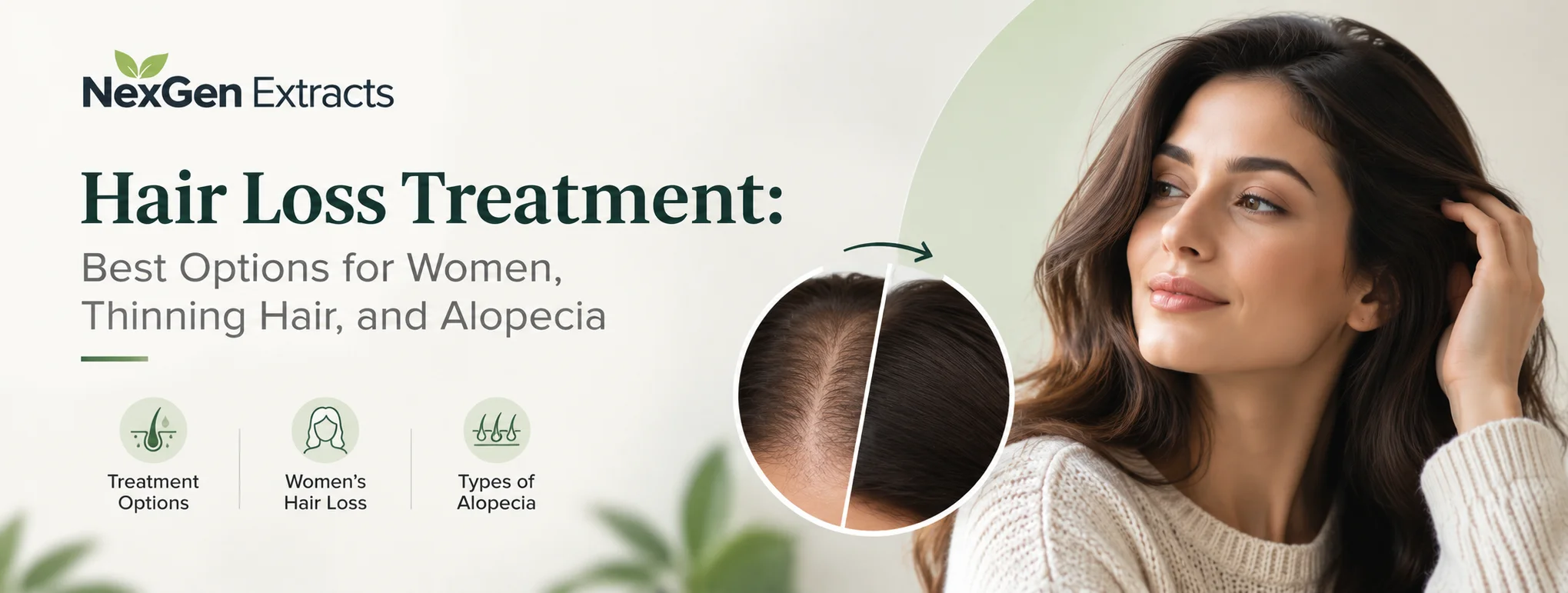
Hair loss can affect people of all ages, and finding the right hair loss treatment often starts with understanding why it is happening. While some people experience temporary shedding after illness, stress, or hormonal changes, others develop gradual thinning due to genetics or medical conditions.
The good news is that several treatments can help slow hair loss, support regrowth, or manage specific types of alopecia. However, the best hair loss treatment depends on the underlying cause, the pattern of hair loss, and your overall health.
In this guide, we’ll explore proven hair loss treatments, options for women, ways to regrow thinning hair, the role of keratin treatments, and the major types of alopecia.
What Causes Hair Loss?
Losing around 50–100 hairs daily is generally considered normal. Concern arises when shedding increases significantly, the hairline changes, bald patches develop, or the scalp becomes more visible.
Common causes of hair loss include:
- Genetics: Hereditary hair loss can cause gradual thinning in both men and women.
- Hormonal changes: Pregnancy, childbirth, menopause, and certain hormonal conditions can affect hair growth.
- Nutritional deficiencies: Low iron or inadequate nutrition may contribute to excessive shedding.
- Stress or illness: Physical or emotional stress can trigger temporary hair shedding, sometimes several months after the triggering event.
- Medical conditions: Thyroid disorders, autoimmune diseases, and certain scalp conditions can cause hair loss.
- Hair damage: Tight hairstyles, excessive heat, bleaching, and chemical treatments can weaken hair and cause breakage.
Identifying the cause is essential because different types of hair loss require different treatments. A dermatologist can examine the scalp and recommend blood tests or other investigations when necessary. The American Academy of Dermatology explains common causes of hair loss.
What Is the Best Hair Loss Treatment?
There is no single treatment that works for everyone. The most effective option depends on whether hair loss is hereditary, temporary, autoimmune, or related to another medical condition.
Here are some commonly used treatments.
1. Minoxidil
Minoxidil is a well-established treatment for hereditary pattern hair loss. Topical minoxidil is available in different formulations and can help stimulate hair growth and slow further thinning.
It is commonly recommended for female pattern hair loss and may also be used for other appropriate cases.
What to know:
- Results usually take several months to become noticeable.
- Temporary increased shedding can occur during the initial weeks.
- Continued use is generally necessary to maintain the benefits.
- Scalp irritation can occur.
People who are pregnant, planning pregnancy, or breastfeeding should seek medical advice before considering minoxidil. Follow the product instructions and consult a healthcare professional if you are unsure whether it is appropriate.
2. Prescription Medications
Depending on the diagnosis, a dermatologist may recommend prescription treatments such as spironolactone for selected women with pattern hair loss or other medications for specific conditions.
These treatments are not suitable for everyone and can have important side effects. Some are prescribed off-label for hair loss, meaning their use for that condition is not specifically approved by the relevant regulator.
For alopecia areata, an autoimmune condition that causes patchy hair loss, treatment may include corticosteroids or, in selected severe cases, other immune-targeting medications.
3. Correcting Nutritional Deficiencies
Iron deficiency and inadequate nutrition can contribute to hair shedding. If a deficiency is suspected, a healthcare professional may recommend blood tests and appropriate treatment.
Taking supplements without identifying a deficiency is not always helpful. Excessive intake of certain nutrients, including vitamin A and selenium, can actually contribute to hair loss.
4. Platelet-Rich Plasma (PRP)
PRP treatment involves collecting a small sample of blood, processing it to concentrate platelets, and injecting the preparation into the scalp.
Some studies suggest PRP may improve hair density in people with certain forms of pattern hair loss. However, results vary, treatment protocols are not standardized, and repeat sessions may be required.
5. Hair Transplant Surgery
A hair transplant moves hair follicles from a donor area to areas affected by permanent thinning. It may be appropriate for selected people with stable hereditary hair loss and sufficient donor hair.
It is not suitable for every type of alopecia, particularly when active inflammation or an unstable autoimmune condition is causing hair loss.
Best Hair Loss Treatment for Females
Female hair loss can develop as gradual thinning across the scalp, a widening part, increased shedding, or distinct bald patches. The appropriate treatment depends on the pattern and cause.
For female pattern hair loss, topical minoxidil is generally the first-line treatment recommended by dermatologists. Other options may be considered depending on the individual’s medical history and response.
Women experiencing hair loss after childbirth, illness, significant weight loss, or a period of stress may have temporary shedding rather than hereditary hair loss. In these cases, addressing the underlying trigger is important.
Women should consider consulting a dermatologist if hair loss is persistent, sudden, associated with scalp discomfort, or accompanied by irregular periods or other hormonal symptoms.
For more guidance, see the American Academy of Dermatology’s guide to female pattern hair loss.
How to Regrow Thinning Hair in Females
Regrowing thinning hair starts with identifying the cause and choosing a realistic treatment plan. These steps may help support healthier hair growth:
1. Identify the underlying cause. A dermatologist may assess the scalp, medical history, medications, diet, and hormonal changes. Blood tests may be recommended when appropriate.
2. Consider evidence-based treatment. Topical minoxidil may help women with pattern hair loss. Other treatments depend on the diagnosis and should be discussed with a healthcare professional.
3. Eat a balanced diet. Include adequate protein and a variety of nutrient-rich foods. Treat confirmed deficiencies rather than relying on unverified hair-growth supplements.
4. Reduce hair breakage. Limit excessive heat, harsh chemical processing, and tight hairstyles that pull on the hair.
5. Be patient and consistent. Hair grows slowly, and visible improvement can take months. Take periodic photographs under similar lighting to monitor changes.
Not every type of hair loss is reversible. Early evaluation is especially important when the scalp is inflamed or scarring, because some conditions can cause permanent follicle damage.
Is Keratin Treatment Good for Hair Loss?
Keratin treatments are cosmetic hair-smoothing procedures designed to reduce frizz and make hair easier to manage. They are not a proven treatment for hair loss and do not stimulate new hair growth.
Depending on the formulation and application, chemical smoothing procedures and high heat may contribute to hair damage or breakage. Some products can also irritate the scalp.
If your hair is already thinning or fragile, consider discussing the procedure with a qualified stylist and dermatologist before proceeding. Avoid treatments that cause scalp burning or irritation, and stop using a product if an adverse reaction develops.
Keratin treatments may improve the appearance and manageability of hair, but they should not be confused with medical treatments for alopecia or hereditary hair loss.
How Many Types of Alopecia Are There?
Alopecia is the medical term for hair loss. There is no single universally accepted number of types because conditions can be classified into different subtypes. However, several major categories are commonly recognized.
| Type of alopecia | Main characteristics |
|---|---|
| Androgenetic alopecia | Hereditary pattern hair loss that causes gradual thinning. |
| Alopecia areata | An autoimmune condition that often causes round or oval bald patches. |
| Telogen effluvium | Increased shedding that may follow illness, stress, childbirth, or other triggers. |
| Traction alopecia | Hair loss caused by repeated pulling from tight hairstyles. |
| Anagen effluvium | Rapid hair loss caused by disruption of actively growing hair, sometimes during chemotherapy. |
| Scarring alopecia | A group of conditions that damage hair follicles and may cause permanent hair loss. |
Treatment varies by type. For example, telogen effluvium may improve after its trigger is addressed, while alopecia areata may require immune-directed treatment. Scarring alopecia needs timely medical evaluation to help prevent further permanent hair loss.
When Should You See a Dermatologist?
Consider seeking medical advice if you experience sudden or rapid hair loss, distinct bald patches, persistent scalp itching or pain, redness, scaling, or hair loss accompanied by other unexplained symptoms.
Early diagnosis can help identify treatable causes and reduce the risk of permanent damage. Avoid relying on products that promise guaranteed regrowth or immediate results.
Frequently Asked Questions
What is the best hair loss treatment overall?
There is no universal best treatment. Topical minoxidil is a well-established option for hereditary pattern hair loss, while other causes may require different medications, treatment of an underlying condition, or changes in hair care.
What is the best hair loss treatment for women?
For female pattern hair loss, topical minoxidil is generally the first-line option. Women experiencing sudden shedding or other symptoms should seek evaluation to determine whether a different cause needs treatment.
Can thinning hair grow back naturally?
Yes, depending on the cause. Hair may regrow after temporary shedding triggered by stress, illness, childbirth, or nutritional deficiencies. Hereditary hair loss and scarring conditions may require ongoing treatment and may not be fully reversible.
Does keratin treatment stop hair fall?
No. Keratin treatments smooth the hair shaft but do not treat the underlying causes of hair loss. Chemical processing and heat may also contribute to breakage.
How long does hair loss treatment take to work?
Results vary by treatment and diagnosis. Some people need several months before improvement becomes noticeable. Follow-up with a dermatologist can help determine whether a treatment is working.
Final Thoughts
Choosing the right hair loss treatment requires more than selecting a popular shampoo, supplement, or salon procedure. The most effective approach is to identify the underlying cause, consider evidence-based treatments, and give appropriate therapies enough time to work.
For women experiencing thinning hair, options such as minoxidil may help, while other forms of alopecia require different approaches. Keratin treatments can improve hair’s appearance but do not treat hair loss itself.
If hair loss is sudden, persistent, or accompanied by scalp symptoms, consult a dermatologist for an accurate diagnosis and personalized treatment plan.
Medical disclaimer: This article is for educational purposes only and does not replace professional medical advice, diagnosis, or treatment.