A NexGen Extracts Botanical & Market Guide
Cannabis is often discussed as a single plant with many effects, but in reality, it belongs to a much broader botanical family with deep agricultural, cultural, and commercial roots. At the center of modern cannabis conversations sits THCA flower, a product that has gained rapid popularity for its legal status, potency potential, and close relationship to traditional cannabis.
To fully understand THCA flower, it helps to zoom out and examine the Cannabaceae family—the plant family that includes cannabis, hemp, hops, and several lesser-known relatives. This wider context explains not only how THCA flower works, but why it exists, how it is marketed, and where it fits within the evolving cannabis and hemp industries.
This article explores THCA flower in depth, explains its botanical lineage, compares it to related Cannabaceae plants, and examines how it fits into today’s legal and consumer markets.
Understanding the Cannabaceae Family
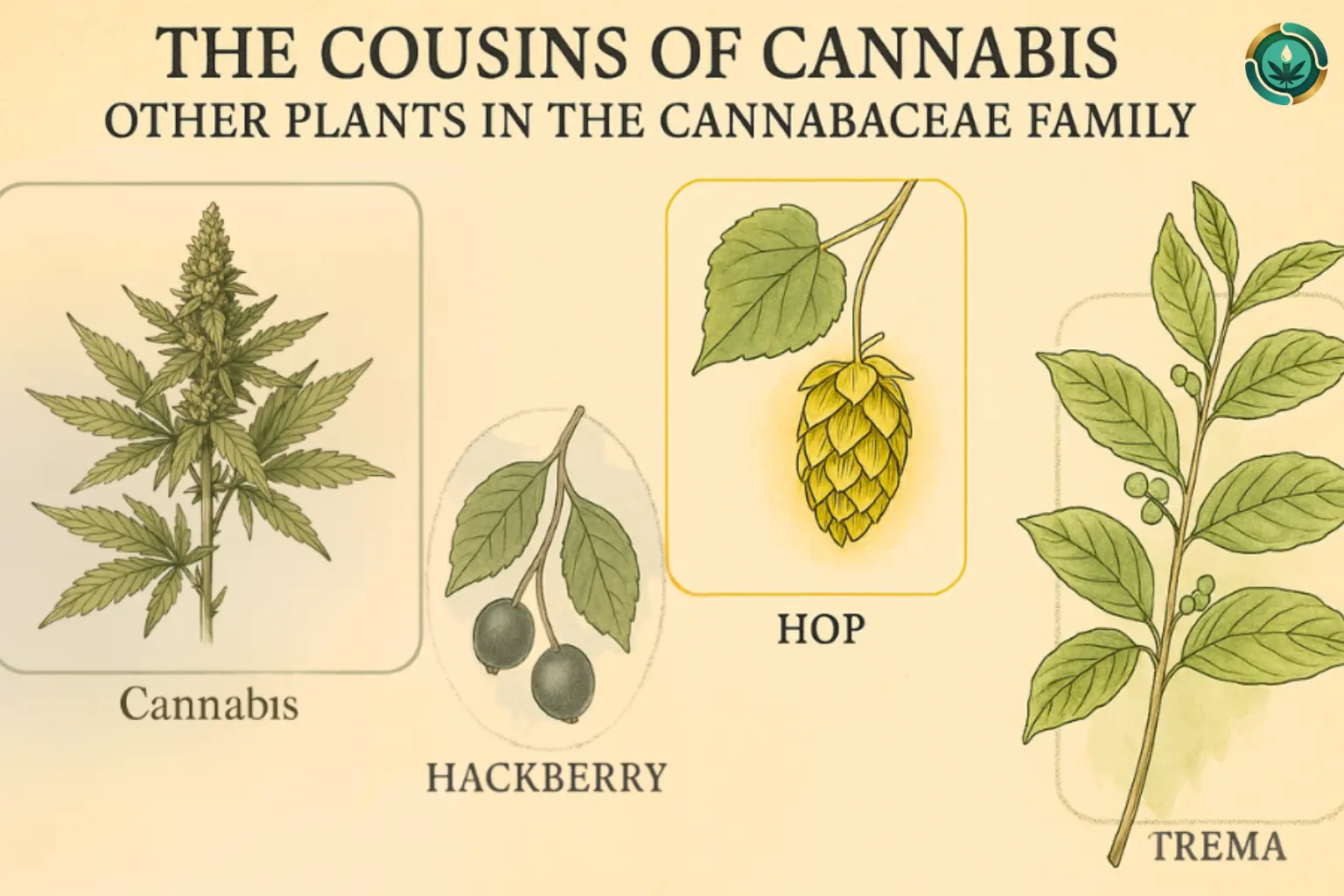
The Cannabaceae family is a group of flowering plants that includes several economically and culturally important species. While cannabis is the most famous member today, it is far from alone.
Key members of the Cannabaceae family include:
- Cannabis sativa (including hemp and marijuana classifications)
- Humulus lupulus (hops)
- Celtis species (hackberries)
- Trema species (used in traditional medicine and timber)
What unites this family is shared genetic traits, similar flowering structures, and a long history of human use for fiber, medicine, food, and ritual purposes.
Cannabis and hops are particularly close relatives, sharing aromatic compounds and resin-producing structures. This relationship helps explain why terpenes play such a large role in both beer and cannabis flavor profiles.
Cannabis Within the Cannabaceae Family
Cannabis itself is incredibly diverse. Within Cannabis sativa, human cultivation has produced plants with drastically different chemical profiles, growth patterns, and uses.
Broadly speaking, cannabis is divided into:
- Hemp: Low Delta-9 THC, used for fiber, CBD, and cannabinoids like THCA
- Marijuana: Higher Delta-9 THC, regulated at the state level
From a botanical perspective, these distinctions are artificial. Hemp and marijuana are genetically the same species. The difference lies in how they are grown, tested, and classified under law.
This is where THCA flower enters the conversation.
What Is THCA Flower?
THCA flower is raw cannabis flower that contains high levels of tetrahydrocannabinolic acid (THCA) and very low Delta-9 THC by dry weight. THCA is the natural, non-psychoactive precursor to THC.
In living cannabis plants:
- THC does not exist in large amounts
- THCA is the dominant compound
- THC forms only after heat or aging through a process called decarboxylation
Because THCA itself is not intoxicating, flower that meets federal Delta-9 THC limits can be legally classified as hemp, even though it looks, smells, and behaves like traditional cannabis.
THCA vs THC: A Crucial Distinction
Understanding the difference between THCA and THC is essential to understanding the market.
THCA
- Non-psychoactive in raw form
- Found naturally in cannabis trichomes
- Converts to THC when heated
- Legal when Delta-9 THC remains under 0.3%
THC
- Psychoactive
- Responsible for the “high”
- Formed when THCA is heated
- Heavily regulated
This distinction allows THCA flower to exist in a unique legal space, bridging the gap between hemp and marijuana markets.
How THCA Flower Fits Into the Cannabaceae Market
THCA flower has become one of the fastest-growing categories in the hemp-derived cannabis space. It appeals to consumers who want:
- Traditional cannabis flower aesthetics
- Full terpene profiles
- Familiar rituals
- Legal accessibility in non-recreational states
Unlike synthetic cannabinoids or heavily processed products, THCA flower remains close to the plant’s natural form. This aligns with a broader market trend toward botanical authenticity and minimally altered products.
Comparing THCA Flower to Other Cannabaceae Products
THCA Flower vs CBD Flower
CBD flower emphasizes non-intoxicating effects like relaxation and balance. THCA flower offers similar aroma and appearance but with the potential for psychoactive effects once heated.
Consumers seeking a traditional cannabis experience often prefer THCA flower over CBD flower due to its closer resemblance to marijuana.
THCA Flower vs Delta-8 Flower
Delta-8 flower is typically CBD flower sprayed with Delta-8 distillate. THCA flower, by contrast, derives its cannabinoid content naturally from the plant.
This distinction matters to consumers prioritizing plant integrity and terpene preservation.
THCA Flower vs Marijuana Flower
From a sensory standpoint, they are nearly identical. The difference lies in compliance testing, legal classification, and distribution channels rather than plant biology.
The Role of Terpenes Across the Cannabaceae Family
One of the strongest connections between THCA flower and the wider Cannabaceae family is terpene production.
Terpenes are aromatic compounds found throughout the family:
- Cannabis produces terpenes like myrcene, limonene, and pinene
- Hops produce similar compounds that influence beer aroma
- Hackberry relatives produce protective resins
In THCA flower, terpenes play a major role in:
- Aroma and flavor
- User experience
- Strain identity
- Market appeal
As consumers become more educated, terpene profiles increasingly matter more than raw cannabinoid percentages.
Why THCA Flower Appeals to Modern Consumers
THCA flower aligns with several major consumer trends:
1. Botanical Familiarity
It feels like cannabis because it is cannabis. This familiarity builds trust.
2. Legal Accessibility
Consumers in restricted states gain access to flower without entering licensed dispensaries.
3. Full-Spectrum Experience
THCA flower preserves cannabinoids, flavonoids, and terpenes in their natural ratios.
4. Ritual and Tradition
Grinding, rolling, and appreciating flower remains central to cannabis culture.
THCA Flower in the Current Market Landscape
The THCA flower market has expanded rapidly due to:
- Consumer demand for legal alternatives
- Increased cannabinoid education
- Hemp industry innovation
- Retail expansion beyond dispensaries
THCA flower now appears in:
- Online hemp stores
- Smoke shops
- Specialty wellness retailers
- Boutique cannabis-adjacent markets
As regulations evolve, THCA flower continues to occupy a gray but growing space that blends legality with familiarity.
Challenges and Considerations
Despite its popularity, THCA flower faces challenges:
- Regulatory uncertainty
- Confusion among new consumers
- Variable product quality across vendors
- Mislabeling risks
Education remains critical. Transparent lab testing, accurate labeling, and clear consumer communication are essential for long-term sustainability.
The Cannabaceae Family Beyond Cannabis
Understanding the wider Cannabaceae family reminds us that cannabis is not an anomaly. It is part of a lineage that humans have cultivated for thousands of years.
Hops revolutionized brewing. Hemp supported textiles and trade. Cannabis shaped medicine and ritual. THCA flower represents the modern evolution of that relationship—where tradition meets compliance and innovation.
What the Future Holds for THCA Flower
As cannabis policy continues to shift, THCA flower may serve as:
- A transitional product in restrictive markets
- A testing ground for regulatory frameworks
- A bridge between hemp and marijuana industries
Its existence highlights how plant biology and law intersect in complex ways. Regardless of regulation, consumer interest in natural, full-spectrum flower is unlikely to disappear.
Final Thoughts
THCA flower is not an outlier—it is a natural expression of the Cannabaceae family’s complexity. By understanding its botanical roots and market position, consumers gain clarity about why it feels familiar, why it exists legally, and why it continues to grow in popularity.
From hops to hemp to high-THCA flower, the Cannabaceae family has shaped culture, commerce, and consumption for centuries. THCA flower is simply the latest chapter in that long story, reflecting modern demands for access, authenticity, and plant-based experience.
About the Author