Introduction
Depression is not just sadness. It’s the quiet heaviness that lingers when everything else keeps moving. It’s waking up tired, even after a full night’s sleep. It’s feeling disconnected from your own life.
In recent years, many people searching for relief have turned to CBD (cannabidiol) a natural compound derived from the cannabis plant. Social media, wellness blogs, and even friends might claim it “changed everything.”
But what does science actually say?
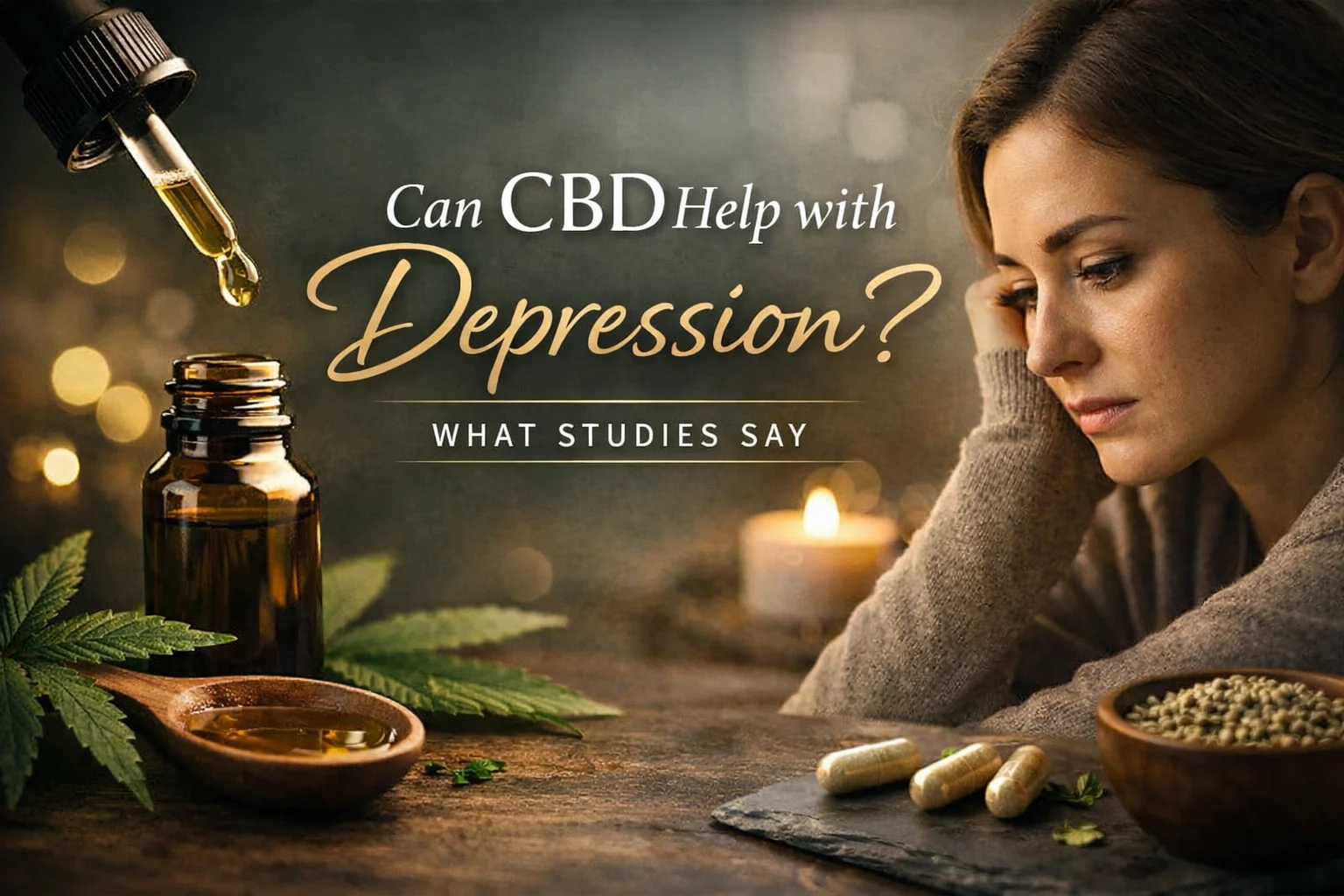
This guide takes a real, honest, and research-backed look at CBD and depression without hype, without false promises.
Understanding Depression (Before We Talk About CBD)
Depression isn’t a one-size-fits-all condition. It can show up as:
- Persistent low mood
- Loss of interest in things you once loved
- Fatigue and brain fog
- Sleep disturbances
- Feelings of hopelessness
Biologically, depression is often linked to imbalances in brain chemicals like serotonin, along with stress, trauma, genetics, and lifestyle factors.
That’s why treatment usually includes:
- Therapy (like CBT)
- Medication (antidepressants)
- Lifestyle support (sleep, exercise, nutrition)
CBD enters this picture as a potential supportive tool not a replacement.
What Is CBD (and Why People Are Using It)?
CBD is a non-psychoactive compound found in cannabis. Unlike THC, it doesn’t make you “high.”
Many people use CBD for:
- Anxiety
- Stress
- Sleep issues
- Chronic pain
And increasingly… depression symptoms.
The big question is:
Does it actually work—or just feel like it does?
What Studies Say About CBD and Depression
1. Early Research: Promising, But Not Definitive
Current research suggests CBD may help with symptoms related to depression, especially anxiety and stress.
However, there’s a major limitation:
Most studies are small or done on animals, not large human trials.
2. How CBD Might Work in the Brain
Scientists believe CBD interacts with the brain’s serotonin system, which plays a key role in mood.
Instead of increasing serotonin directly (like many antidepressants), CBD may:
- Influence how serotonin receptors respond
- Improve emotional regulation
- Reduce stress response
This indirect effect could explain why some people feel calmer or more balanced after using it.
3. Strong Evidence for Anxiety Indirect Help for Depression
Here’s an important nuance:
CBD has stronger evidence for anxiety than for depression.
- Studies show CBD can reduce anxiety in stressful situations (like public speaking).
- Since anxiety and depression often overlap, reducing anxiety can indirectly improve mood.
This is one reason many users report feeling “better overall.”
4. Animal Studies Show Antidepressant-Like Effects
In lab settings, CBD has shown:
- Reduced depressive-like behavior
- Increased brain plasticity (neurogenesis)
- Improved stress resilience
These effects are linked to systems like serotonin and brain-derived neurotrophic factor (BDNF).
But again this is in animals, not humans.
5. Human Studies: Still Limited and Mixed
A 2023 review found:
- Very few clinical studies on depression itself
- Some evidence of reduced anxiety
- Overall results inconclusive for depression treatment
Another large review even suggested:
-
Evidence for mental health benefits is low-quality or inconsistent
So while CBD is promising…
It’s not yet proven as a reliable treatment for depression.
CBD is available in oils, gummies, capsules, and even concentrates. Some users also explore solventless options like live rosin, which is valued for its clean extraction method. Learn more in our detailed breakdown of live rosin and how it compares to other concentrates.
Real Experiences: Why People Still Turn to CBD
Even with limited science, many people continue using CBD. Why?
Because sometimes, lived experience fills the gaps research hasn’t caught up to yet.
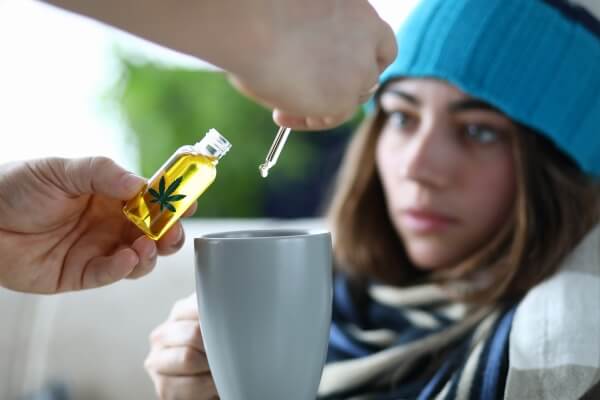
Story 1: “It didn’t cure me—but it helped me cope”
A 32-year-old marketing professional shared in an online mental health forum:
“I started CBD during a really rough phase. It didn’t fix everything, but it took the edge off my anxiety… and that made my depression feel more manageable.”
This reflects what studies suggest:
CBD may help with emotional intensity, not eliminate depression.
Story 2: When It Didn’t Work
Another user reported:
“I tried CBD for two months. Honestly, I didn’t feel much difference. Therapy helped me way more.”
And that’s equally important.
CBD is not universal.
For some, it helps.
For others, it does very little.
Story 3: Self-Treatment Without Guidance
One study found many people use CBD without consulting doctors, even when dealing with depression.
That’s risky—because depression is complex, and self-treatment can delay proper care.
Benefits of CBD for Depression (Potential, Not Guaranteed)
Based on current evidence, CBD may help with:
Reducing Anxiety
Since anxiety often fuels depression, this is a major benefit.
Improving Sleep
Better sleep can significantly impact mood.
Lowering Stress Response
CBD may reduce how strongly the body reacts to stress.
Emotional Regulation
Some users report feeling calmer and less overwhelmed.
Risks and Limitations You Should Know
Let’s be honest CBD isn’t harmless magic.
Limited Clinical Evidence
There’s still no strong proof CBD treats depression directly.
Dosage Uncertainty
No standardized dose exists for depression.
Product Quality Issues
CBD is often unregulated—products may:
- Contain less CBD than advertised
- Include THC unintentionally
Side Effects
Possible effects include:
- Fatigue
- Dry mouth
- Changes in appetite
Drug Interactions
CBD can interfere with antidepressants and other medications.
CBD vs Antidepressants: Should You Replace One With the Other?
Short answer: No.
CBD should not replace prescribed treatment.
Antidepressants:
- Have decades of research
- Are clinically tested
- Work for many people
CBD:
- Is still being studied
- May help as a supportive tool
Think of CBD as:
A possible addition, not a substitute.
Some users who don’t feel strong results from CBD look into alternatives like Delta-8 THC, which may offer a slightly more noticeable relaxation effect. However, it’s important to understand differences in legality, potency, and side effects. This curated list of top-rated Delta-8 gummies can help you compare trusted options.
When CBD Might Make Sense
CBD could be worth considering if:
- You experience mild depression symptoms
- Anxiety is a major trigger for your mood
- You’re already under medical guidance
- You’re looking for complementary support
When You Should Be Careful
Avoid relying on CBD alone if:
- You have moderate to severe depression
- You experience suicidal thoughts
- You’re stopping prescribed medication
- You haven’t spoken to a professional
A Grounded Perspective: Hope Without Hype
Here’s the truth most blogs won’t tell you:
CBD is not a cure for depression.
But it’s also not useless.
It sits somewhere in the middle:
- Promising
- Incomplete
- Still evolving
For some people, it can:
- Take the edge off
- Create small moments of relief
- Make healing feel a little more possible
And sometimes… that matters.
A Gentle Reminder
If you’re struggling with depression, you’re not alone even if it feels like you are.
CBD might help a little.
But support, connection, and proper care help a lot more.
- Talk to someone you trust
- Consider therapy
- Seek professional guidance
Because healing isn’t about one solution.
It’s about building a system that supports you.
Final Verdict: Can CBD Help with Depression?
Yes possibly, but not reliably (yet).
- May help with anxiety and stress
- May support mood indirectly
- Not proven as a primary treatment
- Not a replacement for therapy or medication
Best way to view CBD:
A supportive tool not a solution
About the Author