A NexGen Extracts Culture & Market Perspective
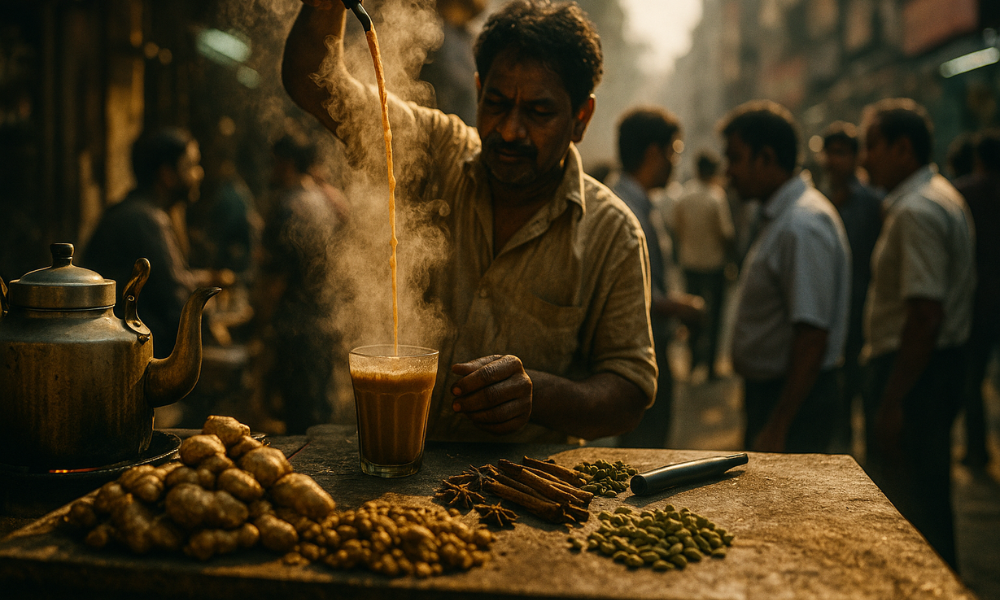
In India, “chai time” is not just about tea. It is a daily ritual, a pause in the middle of movement, a moment of warmth and connection. It happens on street corners, in offices, at homes, and between conversations. Chai time is less about caffeine and more about comfort, rhythm, and presence.
In modern America, THC vapes are quietly stepping into a similar role. While the products are different, the cultural function is strikingly familiar. THC vapes are no longer only about intoxication. They have become part of daily routines, personal wind-down rituals, and moments of intentional pause.
This article explores how the concept of Indian chai time translates into modern American cannabis culture, how THC vapes fit into that transformation, how they compare to other cannabis formats, and how the wider THC market is shifting from consumption toward ritual.
What “Chai Time” Really Represents
In Indian culture, chai time is predictable, grounding, and social. It often appears:
- In the early morning to begin the day
- Midday as a reset
- In the evening to slow things down
Chai is warm, familiar, and accessible. It creates a moment of stillness without demanding productivity. Importantly, chai time does not feel indulgent or extreme. It feels normal.
This concept matters because modern American cannabis culture is moving in the same direction. Consumers are no longer chasing intensity alone. They are looking for controlled experiences that fit into daily life without disrupting it.
The Evolution of THC Vapes in American Culture
THC vapes began as a discreet alternative to smoking. Over time, they evolved into a primary consumption method because they aligned with modern lifestyles. Today, THC vapes are:
- Portable and discreet
- Fast-acting
- Easy to dose
- Compatible with indoor routines
What has changed is not the technology, but the meaning behind usage. THC vapes are increasingly used the way chai is used in India—not as an escape, but as a pause.
People reach for a vape not necessarily to get high, but to:
- Transition between tasks
- Ease mental tension
- Mark the end of a workday
- Create a small personal ritual
This mirrors chai time’s role as a psychological reset.
From Party Culture to Personal Ritual
Historically, cannabis in America carried strong countercultural and recreational associations. Social media, wellness culture, and legal access have softened those edges.
THC vapes are rarely portrayed today as party tools. Instead, they appear in:
- Evening routines
- Creative downtime
- Solo reflection
- Calm social settings
This shift reflects a broader movement away from extremes. Just as chai is neither alcohol nor medication, THC vapes now occupy a middle space—functional, familiar, and repeatable.
Why THC Vapes Fit the “Chai Time” Model
Several characteristics make THC vapes especially suited to ritualized use.
Consistency
Chai tastes the same every day. THC vapes offer similar predictability when properly formulated, allowing users to know what to expect.
Control
Chai can be sipped slowly. Vapes allow micro-use rather than full commitment.
Accessibility
Chai is everywhere in India. THC vapes are increasingly available across the U.S., especially in legal or hemp-derived markets.
No Setup
Chai requires minimal preparation. Vapes eliminate grinding, rolling, or cleanup.
This ease encourages frequent, intentional use rather than occasional excess.
THC Vapes vs Other Cannabis Formats
Understanding why THC vapes align with ritual culture requires comparing them to other formats.
THC Vapes vs Flower
Flower often requires time, smell management, and preparation. Vapes are quicker and cleaner, making them better suited for short, intentional breaks.
THC Vapes vs Edibles
Edibles are slower and more commitment-heavy. They work well for long evenings but poorly for brief resets.
THC Vapes vs Beverages
Cannabis beverages mimic social drinking. Vapes mirror personal rituals.
In short, THC vapes match the cadence of chai time more closely than any other cannabis format.
The Influence of Indian Cultural Concepts on Wellness Trends
American wellness culture has increasingly borrowed from Indian traditions—yoga, meditation, Ayurveda, and mindfulness. Chai time fits into that lineage as a ritual of balance rather than stimulation.
THC vapes are increasingly framed within this same wellness language:
- Balance instead of intensity
- Routine instead of rebellion
- Intention instead of indulgence
This does not mean THC vapes are being marketed as health products, but rather as lifestyle tools that support calm, reflection, and mental decompression.
The Wider THC Market Is Shifting Toward Ritual
The THC market is no longer driven purely by potency. Consumer priorities have shifted toward:
- Experience consistency
- Flavor and aroma
- Context of use
- Integration into daily life
This mirrors how chai is consumed daily without ceremony, yet with meaning.
Brands that understand this shift focus less on shock value and more on familiarity. THC vapes benefit from this because they already feel normalized.
Flavor, Aroma, and Familiarity
Chai is comforting because it smells and tastes familiar. Similarly, THC vapes now emphasize:
- Smooth flavor profiles
- Herbal or dessert notes
- Mild, balanced effects
This sensory familiarity reduces intimidation, especially for casual or returning users.
Flavor consistency plays a key role in transforming THC vapes from novelty items into routine companions.
Social Media and the Normalization of Ritual Use
Platforms like TikTok and Instagram have accelerated this cultural shift. THC vapes are shown alongside:
- Morning routines
- Cozy evenings
- Journaling and music
- Minimalist interiors
This mirrors how chai appears in Indian media—as part of everyday life rather than a special occasion.
Social media does not glamorize excess. It normalizes repetition.
Who the “Modern American Chai Time” Consumer Is
This cultural shift appeals to:
- Professionals unwinding after work
- Creatives seeking mental clarity
- Parents finding quiet moments
- Wellness-oriented consumers
These users do not identify with traditional stoner culture. THC vapes offer a way in without requiring identity change.
Challenges and Cultural Boundaries
While ritualized THC use is growing, it still faces challenges:
- Regulatory inconsistencies
- Social stigma in certain regions
- Over-marketing of potency
However, ritual framing reduces friction. When cannabis looks less extreme, resistance softens.
What This Means for the Future of THC Vapes
As cannabis culture matures, THC vapes are likely to become:
- More subtle in branding
- More focused on routine use
- Less centered on intoxication
- More integrated into daily life
This mirrors chai’s journey from regional beverage to global symbol of comfort.
Final Thoughts
Indian chai time teaches a simple lesson: rituals matter. People need pauses that are familiar, grounding, and repeatable. Modern American cannabis culture is rediscovering this truth through THC vapes.
Beyond technology and legality, THC vapes are becoming cultural tools—markers of transition, rest, and reflection. In that sense, they are not replacing chai time. They are reimagining it for a different context.
As the wider THC market continues to evolve, products that support routine, balance, and intention will define the next chapter. THC vapes, when understood through this cultural lens, are not just consumption devices. They are modern rituals in vapor form.
About the Author