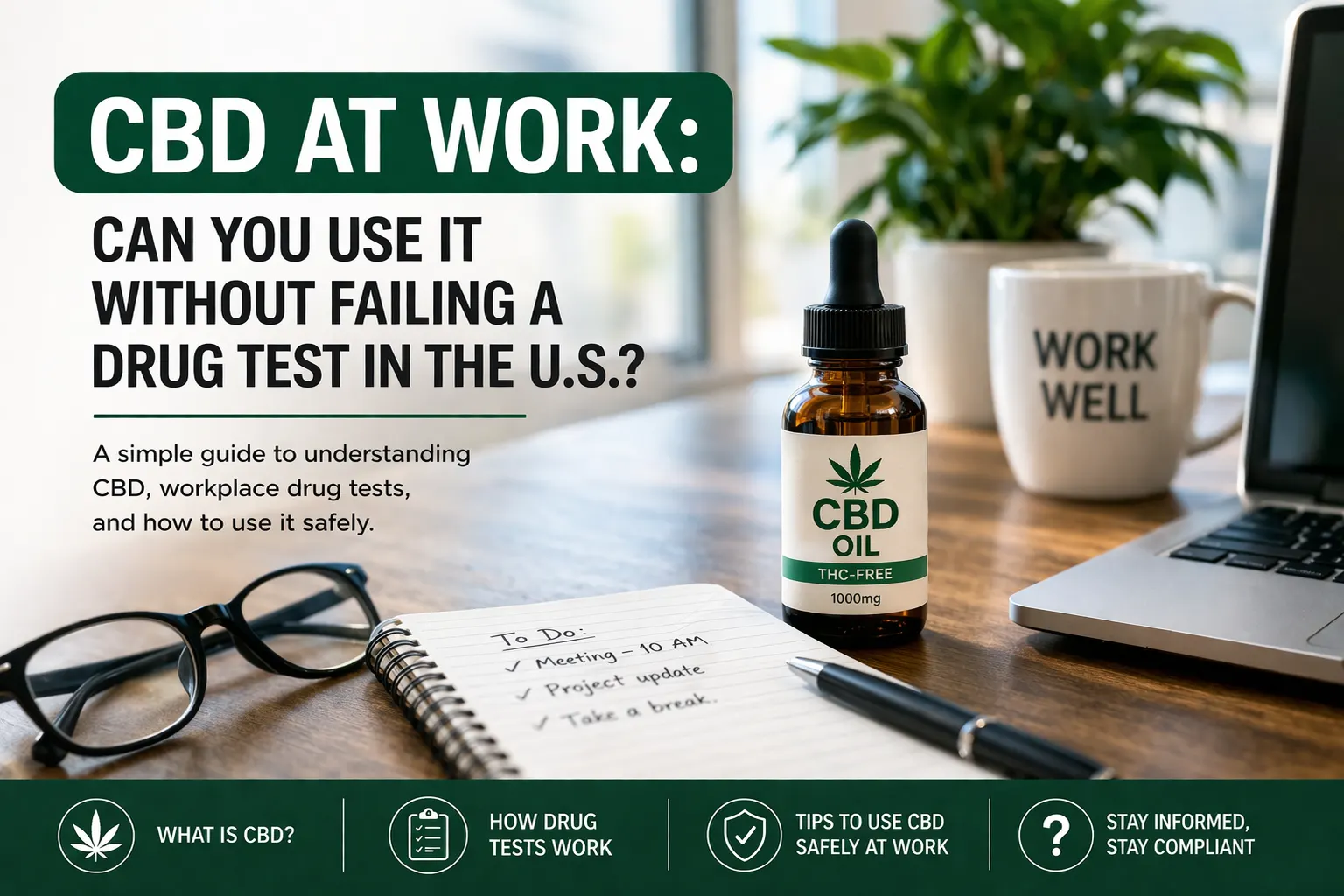
Can you use CBD and still pass a drug test?
The short answer: it’s possible, but not guaranteed.
The long answer is a bit more complicated—and that’s exactly what we’ll break down in this guide.
What Is CBD (and How Is It Different from THC)?
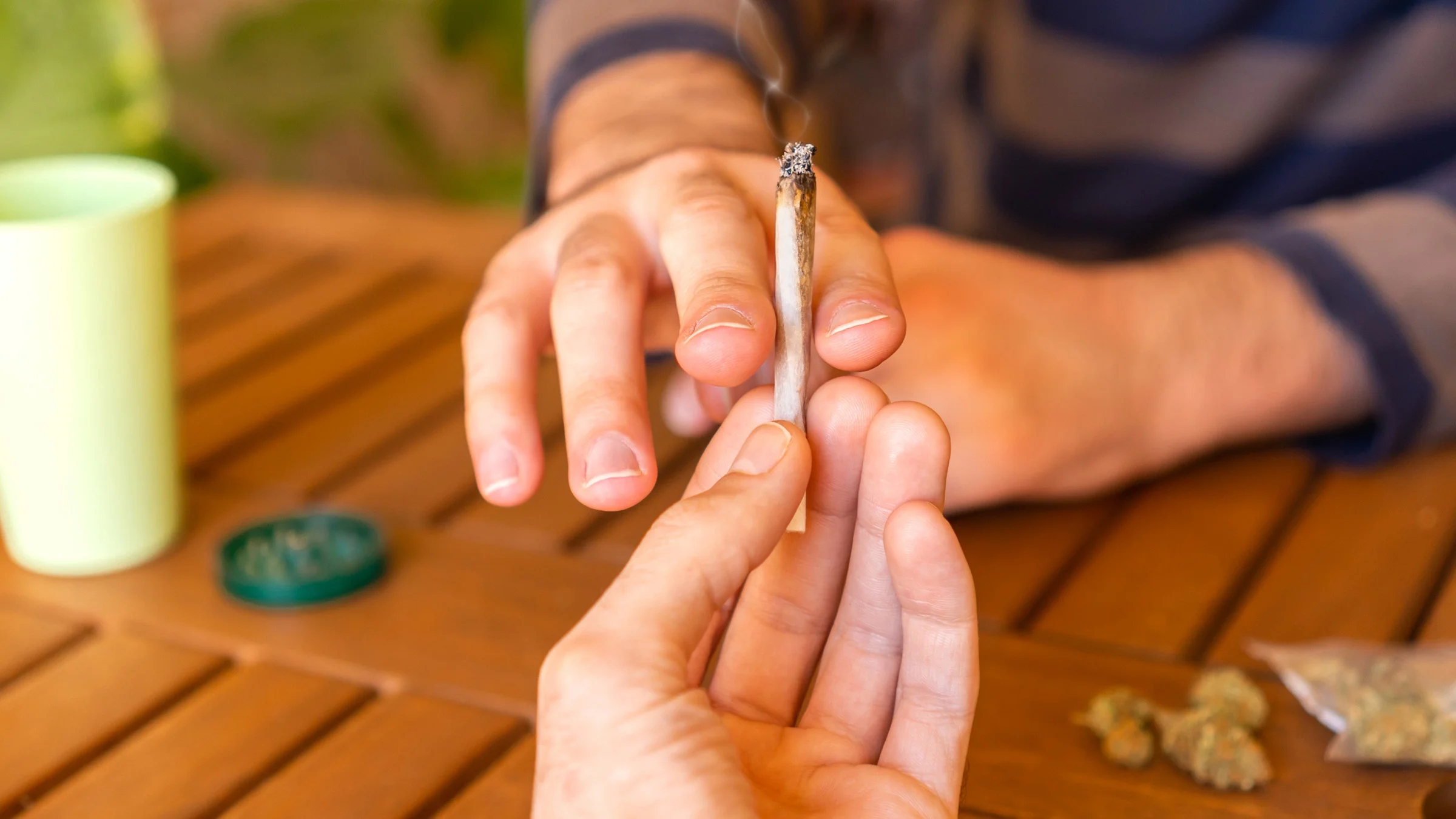
CBD (cannabidiol) is a naturally occurring compound found in cannabis plants. Unlike THC (tetrahydrocannabinol), CBD does not produce a “high.”
- CBD → Non-psychoactive, commonly used for relaxation, anxiety, and pain relief
- THC → Psychoactive, responsible for the intoxicating effects of marijuana
Most CBD products sold in the U.S. are derived from hemp, which is legally required to contain no more than 0.3% THC. That sounds minimal—but even that small amount can matter when it comes to drug testing.As cannabis products continue to evolve, new options like THCA flower are gaining popularity across the U.S. While CBD is non-psychoactive, THCA products can behave differently depending on how they’re used—making it even more important to understand what you’re buying. You may also like to read this detailed report on Best THCA Flowers in 2026 to explore top-rated options and current market trends.
How Drug Tests Work in the Workplace
Most workplace drug tests in the U.S. do not test for CBD itself. Instead, they screen for THC or its metabolites.
Common Types of Drug Tests:
- Urine tests (most common) – Detect THC metabolites for days or weeks
- Saliva tests – Detect recent use (hours to a couple of days)
- Blood tests – Detect active THC (short window)
- Hair tests – Can detect THC for up to 90 days
Important: Even if you’re only using CBD, if your product contains trace THC, it could show up on these tests.
Can CBD Make You Fail a Drug Test?
Yes, it can—but it depends on the product.
Here’s why:
1. Full-Spectrum CBD Contains THC
Full-spectrum CBD products include all compounds from the cannabis plant, including trace THC (up to 0.3%).
- Regular use can cause THC to build up in your system
- Over time, this may lead to a positive drug test
2. Broad-Spectrum CBD Is Safer (But Not Risk-Free)
Broad-spectrum CBD removes THC, but still includes other cannabinoids.
- Lower risk than full-spectrum
- However, cross-contamination during manufacturing can still occur
3. CBD Isolate Is the Safest Option
CBD isolate is pure CBD with zero THC.
- Best choice if you’re worried about drug testing
- Still not 100% foolproof due to labeling inconsistencies
Why Labeling Matters More Than You Think
The CBD market in the U.S. is still loosely regulated. That means:
- Some products contain more THC than advertised
- Others may be mislabeled entirely
- Third-party testing is not always consistent
A study found that a significant number of CBD products sold online contained incorrect THC levels.
Translation: Even if the label says “THC-free,” there’s still a small risk.
Factors That Affect Drug Test Results
Not everyone who uses CBD will fail a drug test. Several factors come into play:
1. Dosage and Frequency
- Occasional use → Lower risk
- Daily use → Higher chance of THC buildup
2. Body Fat and Metabolism
THC is stored in fat cells.
- Higher body fat → THC stays longer
- Faster metabolism → THC clears quicker
3. Product Quality
- Reputable brands → Lower risk
- Cheap or untested products → Higher risk
4. Type of Drug Test
- Urine tests are more forgiving than hair tests
- Hair tests can detect long-term exposure
Is CBD Legal for Employees in the U.S.?
Yes—CBD derived from hemp is federally legal under the 2018 Farm Bill.
However, legality doesn’t guarantee workplace acceptance.
Employers Still Have the Final Say
- Companies can enforce zero-tolerance drug policies
- A positive THC test may still lead to disciplinary action or termination
- Even legal CBD use may not be accepted in some industries
High-Risk Professions:
If you work in:
- Transportation (DOT-regulated jobs)
- Healthcare
- Law enforcement
- Government roles
You may be subject to strict drug testing policies, where any THC is unacceptable.
How to Use CBD Safely Without Failing a Drug Test
If you want to enjoy CBD benefits while minimizing risk, here are some smart strategies:
1. Choose THC-Free Products
Look for:
- CBD isolate
- “THC-free” labels
- Verified third-party lab reports
2. Check Certificates of Analysis (COAs)
A COA shows:
- THC content
- CBD levels
- Presence of contaminants
Always buy from brands that make these reports easy to access.
3. Avoid Full-Spectrum Products
Even though they’re popular, they carry the highest risk for drug tests.
4. Start with Low Doses
Less consumption = lower chance of THC accumulation.
5. Be Careful with Edibles
Edibles stay in your system longer than:
- Vapes
- Tinctures
This increases the chance of detection.
You may also like to read Can You Freeze Edibles? 5 Storage Tips NexGen Extracts if you use CBD gummies or edibles regularly.
6. Know Your Workplace Policy
Before using CBD:
- Review your company’s drug testing rules
- Understand the consequences of a positive test
What Happens If You Fail a Drug Test from CBD?
Unfortunately, most drug tests can’t distinguish between THC from marijuana and THC from CBD.
Possible Outcomes:
- Job offer withdrawn
- Suspension or termination
- Required retesting or explanation
Even if you explain that you used CBD legally, employers may not accept it.
CBD vs. Drug Testing Myths
Let’s clear up some common misconceptions:
Myth 1: “CBD Will Never Show Up on a Drug Test”
Truth: CBD itself won’t—but THC contamination can.
Myth 2: “THC Levels in CBD Are Too Small to Matter”
Truth: Small amounts can build up over time.
Myth 3: “All CBD Products Are Safe”
Truth: Quality varies widely in the market.
Myth 4: “You Can Detox THC Overnight”
Truth: THC can stay in your system for days or weeks.
Many CBD users fail drug tests because they skip one key step—verifying lab reports. This article on How to Tell If a CBD / THCa Product Is Lab-Tested (Reading COAs) can help you avoid that mistake.
Should You Tell Your Employer You Use CBD?
This depends on your workplace culture and policies.
Consider Disclosing If:
- You work in a highly regulated field
- You undergo frequent drug testing
But Be Cautious:
- Disclosure doesn’t guarantee protection
- Some employers may still enforce strict policies
Alternatives to CBD (If Drug Testing Is a Concern)
If you want to avoid any risk altogether, consider:
- Herbal supplements (like ashwagandha or chamomile)
- Meditation and mindfulness apps
- Regular exercise and sleep optimization
- Non-CBD wellness products
These options can help manage stress without affecting drug test results.
Curious about how THCA products compare to CBD? You may also like to check out Best THCA Flowers in 2026 for a deeper look into emerging cannabis trends.
Final Verdict: Can You Use CBD at Work Safely?
Yes—but with caution.
If you:
- Choose high-quality, THC-free products
- Use them responsibly
- Understand your workplace policies
You can significantly reduce your risk of failing a drug test.
However, there is no 100% guarantee.
Key Takeaways
- CBD is legal in the U.S., but workplace rules vary
- Drug tests screen for THC, not CBD
- Full-spectrum CBD carries the highest risk
- CBD isolate is the safest option
- Always check third-party lab reports
- Even legal CBD use can lead to job consequences
Conclusion
CBD can be a powerful wellness tool—but when it comes to workplace drug testing, you need to be informed and cautious.
If your job depends on passing a drug test, the safest approach is to either:
- Stick strictly to verified THC-free CBD, or
- Avoid CBD altogether
At the end of the day, it’s about balancing your well-being with your professional responsibilities.
About the Author