Anxiety disorders remain one of the most common mental health challenges in the United States, affecting millions of adults every year. Traditionally, prescription medications like SSRIs (selective serotonin reuptake inhibitors) and benzodiazepines have dominated treatment. But in 2026, a noticeable shift is happening—many users are exploring CBD (cannabidiol) as an alternative or complementary option.
So what’s driving this change? Is CBD actually better, or is it just hype?
This in-depth guide breaks down CBD vs prescription anxiety medications, comparing effectiveness, safety, side effects, accessibility, and real-world user trends in the U.S.
Understanding Anxiety Treatment Options
Before comparing, it’s important to understand the two major categories:
1. Prescription Anxiety Medications
These include:
- SSRIs (like sertraline, fluoxetine)
- SNRIs (like venlafaxine)
- Benzodiazepines (like alprazolam, diazepam)
They are typically prescribed by doctors and are considered first-line treatments, especially SSRIs for generalized anxiety disorder.
2. CBD (Cannabidiol)
CBD is a non-psychoactive compound derived from hemp. Unlike THC, it doesn’t cause a “high” but interacts with the body’s endocannabinoid system, which regulates mood, stress, and sleep.
Why CBD Is Gaining Popularity in 2026
CBD has moved from niche wellness product to mainstream alternative. Several factors explain why U.S. users are increasingly choosing it:
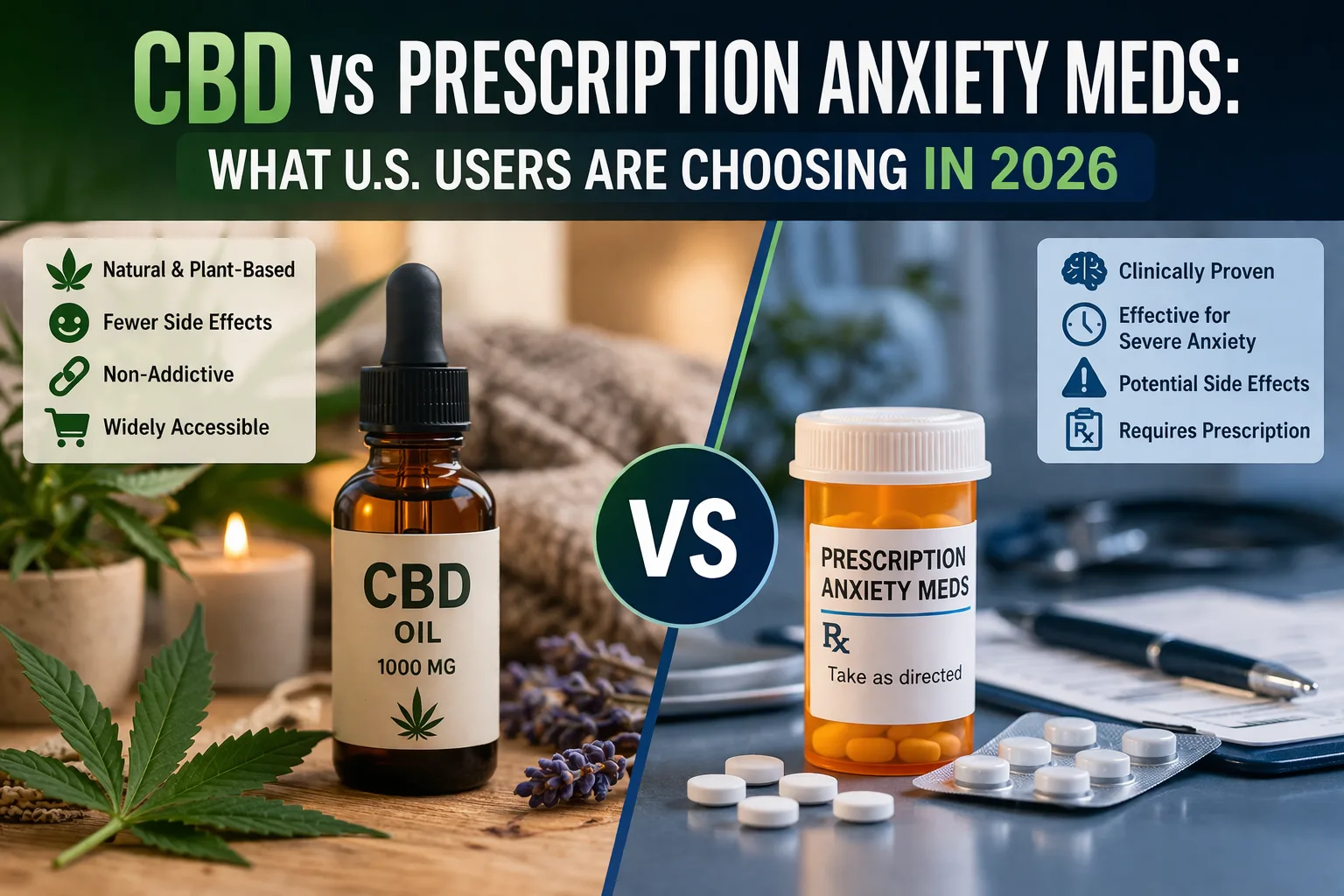
1. Natural & Plant-Based Appeal
Many people prefer CBD because it’s perceived as a natural remedy, especially compared to synthetic pharmaceuticals.
2. Fewer Reported Side Effects
Prescription medications often come with side effects like:
- Weight gain
- Sexual dysfunction
- Drowsiness
- Dependency (especially benzodiazepines)
CBD, on the other hand, is generally considered well-tolerated with a favorable safety profile.
3. Non-Addictive Profile
Benzodiazepines can lead to tolerance and dependence, which has caused growing concern in the medical community.
CBD shows low abuse potential, making it attractive for long-term use.
4. Accessibility
CBD products are widely available online and in stores across the U.S., often without a prescription.
How Effective Is CBD for Anxiety?
Research into CBD is expanding rapidly, and the results are promising—but not definitive.
- Studies show CBD may reduce anxiety symptoms in conditions like GAD, PTSD, and social anxiety.
- Clinical and preclinical evidence suggests it works by influencing serotonin receptors and the endocannabinoid system.
- Some trials even found CBD effects comparable to medications like benzodiazepines in specific scenarios.
However, there’s a catch:
Long-term evidence is still limited, and dosing is not yet standardized.
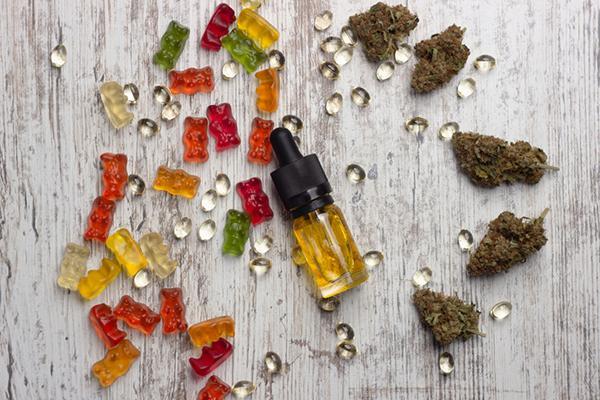
As the hemp market evolves, consumers aren’t just choosing CBD some are also exploring high-quality THCA flower options highlighted in Best THCA Flowers in 2026.
How Effective Are Prescription Medications?
Prescription meds are still considered the gold standard, especially for moderate to severe anxiety.
SSRIs
- First-line treatment
- Effective for long-term management
- Can take 4–6 weeks to show results
Benzodiazepines
- Fast-acting (within hours)
- Ideal for acute anxiety or panic attacks
- Risk of dependence with prolonged use
Interestingly, some research suggests no clear superiority of SSRIs over benzodiazepines in certain cases, especially short-term treatment.
CBD vs Prescription Meds: Key Differences
1. Speed of Relief
- CBD: May work within 30–90 minutes (depending on form)
- Benzodiazepines: Fastest relief
- SSRIs: Slow onset (weeks)
Winner: Benzodiazepines (short-term), CBD (mild quick relief)
2. Long-Term Use
- CBD: Suitable for ongoing use (low dependency risk)
- SSRIs: Effective for chronic anxiety
- Benzodiazepines: Not ideal long-term
Winner: CBD & SSRIs (tie, depending on severity)
3. Side Effects
- CBD: Mild (fatigue, dry mouth)
- SSRIs: Moderate (weight gain, libido issues)
- Benzodiazepines: Sedation, dependency risk
Winner: CBD
4. Accessibility
- CBD: Over-the-counter (in many U.S. states)
- Prescription meds: Require doctor approval
Winner: CBD
5. Scientific Evidence
- Prescription meds: Decades of clinical data
- CBD: Growing but still emerging
Winner: Prescription meds
What U.S. Users Are Choosing in 2026
Trend 1: CBD for Mild to Moderate Anxiety
Many Americans are turning to CBD for:
- Daily stress
- Social anxiety
- Sleep-related anxiety
CBD is often the first step before trying prescription drugs.
Trend 2: Hybrid Approach
A growing number of users combine:
- CBD + therapy
- CBD + low-dose SSRIs
This reflects a shift toward personalized mental health care.
Trend 3: Reducing Benzodiazepine Use
Some studies suggest cannabis-based treatments may help reduce reliance on benzodiazepines.
This aligns with a broader push to minimize dependency risks.
Trend 4: Wellness Over Medication
Younger users especially are choosing:
- CBD
- Meditation
- Lifestyle changes
Instead of jumping straight to pharmaceuticals.
Alongside CBD, many users are exploring Delta-8 gummies for a smoother, more manageable experience something highlighted in Best Delta-8 Gummies of 2025.
When CBD Might Be the Better Choice
CBD may be ideal if you:
- Have mild to moderate anxiety
- Want a non-addictive option
- Prefer natural alternatives
- Experience side effects from medications
It may also help those who don’t respond well to traditional treatments.
When Prescription Meds Are Necessary
Prescription medications are still essential if you:
- Have severe or chronic anxiety disorders
- Experience panic attacks
- Have co-occurring depression or mental illness
Doctors typically recommend SSRIs as the first step in such cases.
Risks and Considerations
CBD Risks
- Lack of regulation in some products
- Inconsistent dosing
- Possible drug interactions
Prescription Med Risks
- Dependency (benzodiazepines)
- Withdrawal symptoms
- Long-term side effects
The best choice often depends on individual health history and severity of symptoms.
The Future of Anxiety Treatment
Looking ahead, 2026 marks a turning point:
- CBD is becoming mainstream but not replacing prescriptions entirely
- More clinical trials are underway to validate its effectiveness
- Doctors are increasingly open to integrative approaches
The future isn’t CBD vs prescription meds—it’s likely CBD + traditional medicine working together.
For those exploring beyond CBD, live rosin is worth understanding especially if quality and extraction methods matter to you.
Final Verdict: Which One Should You Choose?
There’s no one-size-fits-all answer.
- Choose CBD if your anxiety is mild, you want fewer side effects, and prefer a natural approach
- Choose prescription medications if your symptoms are severe or clinically diagnosed
- Consider combining both under medical supervision for the best results
Bottom Line
In 2026, U.S. users are not abandoning prescription anxiety meds—but they are rethinking them. CBD has carved out a strong role as a flexible, accessible, and lower-risk option, especially for everyday anxiety.
Still, prescription medications remain essential for serious cases.
The smartest approach? Personalized, informed, and guided by a healthcare professional.
About the Author