Introduction
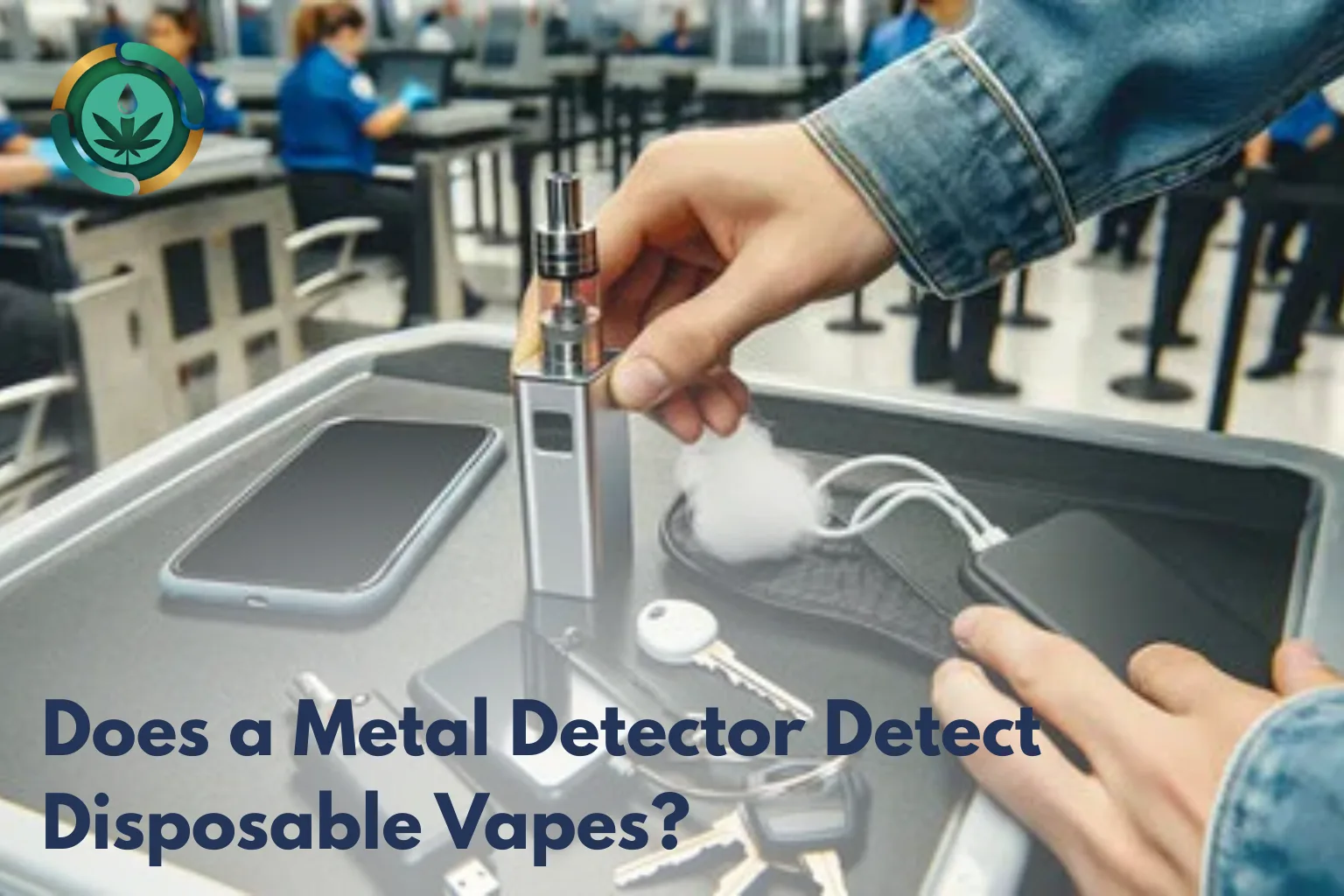
Disposable vapes have become one of the most widely used and discreet ways to consume cannabis and nicotine. They are convenient, portable, smoke-free, low odor, and generally easy to conceal. Yet one question continues to circulate among vape users, especially those who travel or enter event venues: Do metal detectors detect disposable vapes?
The short answer is: yes, disposable vapes can trigger metal detectors, but detection depends on the type of detector, the metal content of the vape, and the sensitivity settings being used. While not every detector flags a vape, the possibility is always present.
Understanding how security scanners work, whether vapes are legal to carry, and what risks you take when attempting to bypass scanning devices is important. Many people assume that no one cares about vapes, but this is not always accurate. Laws vary, airports operate under federal rules, and security systems are designed to flag unknown items—not just weapons.
This deep dive explores how disposable vapes interact with three common metal detection systems, whether it’s legal to carry vapes through security, what people mistakenly believe about scanners, and the realities most security staff won’t openly explain.
What Makes Disposable Vapes Detectable?
To evaluate whether metal detectors identify vapes, you must consider what the vape is made of. Even though disposable vapes are small, they contain metallic components including the heating coil, battery terminals, casing reinforcement, and circuitry. These metals can trigger detection systems depending on their sensitivity range.
The battery alone is usually enough to set off many detectors. Small ceramic coils and internal wires may also be recognized by certain systems. Even when disguised in clothing or baggage, vapes still contain materials that these scanners are designed to observe.
Some vapes are more detectable than others. A slim nicotine vape has less metal, while a THC disposable with a higher battery output or a metal body casing may be more noticeable. While there is no guarantee of detection 100% of the time, there is also no guarantee of invisibility.
Understanding Legality: Can You Carry Disposable Vapes?
Legality depends entirely on where you are located and what the vape contains.
In many places, nicotine vapes are legal to possess, but that does not guarantee permission to bring them inside airports, concerts, schools, courthouses, or government buildings. These areas impose their own rules.
When it comes to THC vapes, legality varies even more:
- In legal cannabis states, adults often may possess THC vapes but still must obey security policies.
- In illegal cannabis states, THC vapes are prohibited regardless of whether scanners detect them.
- Most airports treat cannabis as federally illicit; possession may technically violate air travel law.
So before considering whether a metal detector might pick up your vape, you must consider whether carrying one is even lawful. Even where cannabis possession is tolerated, security refusal is still possible, because legality and permitted-entry rules are not the same.
How Security Metal Detectors Work (Simplified)
Security detectors are designed to identify metallic objects through electromagnetic fields. When metal disturbs the field, the machine generates a signal. Contrary to rumors, they do not “look for vapes”—they merely react to conductive objects.
People often assume that since disposable vapes are small, they cannot be detected. That belief is incorrect. Detectors are not looking for size; they are measuring conductivity, shape, and disruption.
Detector Type #1: Walk-Through Metal Detectors
These are the classic detectors you see at airports, stadiums, government buildings, and some schools.
Would they detect a vape?
Yes, they can detect disposable vapes depending on where sensitivity is set. Some screening environments tune sensitivity high (airports), others tune it low (venues prioritizing weapons rather than small objects).
What security staff rarely admit publicly is that walk-through detectors often trigger for vapes, but guards may choose not to pursue the alert if they are screening for higher-risk items. However, this depends entirely on the venue and the guard.
If the policy bans vapes, staff may confiscate them even if they are not illegal to possess.
Detector Type #2: Handheld Metal Wands
These devices are used for close scanning (concerts, festivals, certain job sites).
They are extremely accurate at detecting condensed metal sources. A disposable vape is a concentrated metallic object and will likely alert wands.
What security personnel often overlook when answering questions is that handheld wands identify objects at closer range than walk-through detectors. Someone attempting to hide a vape in a shoe or waistband may still be flagged because the wand moves close enough to detect minimal interference.
Detector Type #3: X-Ray Scanners
These devices are not metal detectors—they are imaging scanners that display contents visually. Luggage scanners at airports are capable of identifying vapes instantly. The vape shape, body components, and battery visuals are immediately recognizable to trained operators.
Even if metal detectors never fired once, X-ray systems absolutely identify vapes. There is no plausible concealment method that guarantees invisibility.
X-ray scanners also allow TSA and security officials to differentiate between standard e-cigarette batteries and larger, unregulated lithium cells that may pose fire risks.
Effects of Vaping Cannabis: Why People Take Vapes Through Detectors
People attempt to take disposable vapes into controlled spaces not for novelty but for convenience. THC vapes deliver effects that are discreet and controllable:
- They produce uplifting or relaxing psychoactive effects, depending on strain.
- They release cannabinoids without smoke or odor.
- They provide rapid onset compared to edibles.
- They offer dosage consistency without combusting plant material.
For medical users, vapes may reduce anxiety, nausea, or discomfort. For recreational users, vapes offer smooth effects during social settings.
Yet possessing a vape where it is not allowed may result in confiscation or legal consequences. Understanding this risk is essential, regardless of detection accuracy.
Why Security Systems Don’t Disclose Everything
Security personnel rarely give public explanations because doing so:
- Informs people how to bypass systems.
- Reveals sensitivity calibration.
- Discloses risk thresholds for prohibited objects.
- Encourages attempted smuggling.
Security staff may be polite when asked, but they are not obligated to explain scanning capabilities. That omission is intentional—not deceptive. Their priority is risk reduction, not user education.
Common Misconceptions People Have About Vapes and Metal Detectors
A widespread misconception is that because the vape is small, it is immune to detection. Another misconception is that staff won’t care. Another assumption is that legality equates to permission. None of these are consistently true.
The major misconception is that vapes are like coins or keys—items detectors “filter out.” That is not accurate. Even if a detector ignores tiny coins, a battery-powered object triggers responses differently because of its electrical composition and density.
Traveling with Vapes: Airports vs Other Venues
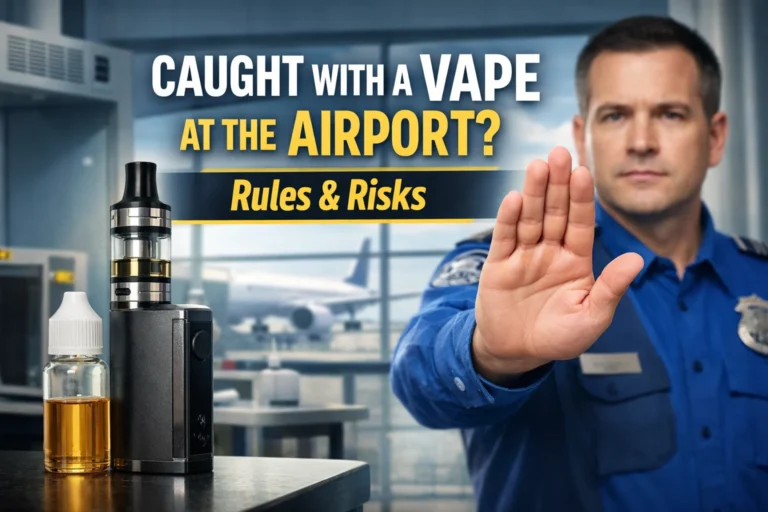
Airports are the most structured enforcement environment. In airports:
- Nicotine vapes are generally permitted in carry-on but banned from checked luggage.
- THC vapes may violate federal law even in legal states.
- Detection is guaranteed by X-ray scanners.
Concerts, clubs, and nightlife venues vary widely. Many do not expressly ban vapes, but staff may confiscate them if policy dictates.
Government buildings treat vaping devices as personal electronics, but they may prohibit them on-site.
Are There Legal Risks for Carrying Vapes?
Legal risks depend on three factors:
-
The region’s cannabis laws.
-
The venue’s rules.
-
Whether the vape contains THC or nicotine.
Being caught with a vape containing THC in a region where cannabis is illegal may lead to fines or legal issues. Confiscation is common but not guaranteed—the reaction depends on policy and discretion.
The smartest approach for consumers is not to rely on the vape’s detectability but on its legality and situational appropriateness.
Final Thoughts: Can You Pass Metal Detectors with Disposable Vapes?
The truth is nuanced. Yes, disposable vapes can be detected by metal detectors, especially handheld wands and X-ray scanners. However, detection likelihood depends on the detector sensitivity and the specific metal content of the device.
More importantly, carrying vapes into restricted areas raises legal and policy problems irrespective of detection. Understanding the rules, honoring boundaries, and storing vapes responsibly is a safer approach than attempting to bypass scanning systems.
A vape may be convenient, discreet, and effective—but consumers should remain realistic. Whether security pursues detection is unpredictable. Whether the law allows possession is location-dependent. Whether crossing detectors unnoticed is guaranteed is absolutely uncertain.
Ultimately, THC or nicotine vapes provide controlled, discreet cannabis effects without odor or smoke, but they are not invisible gadgets beyond the reach of security technology.
About the Author