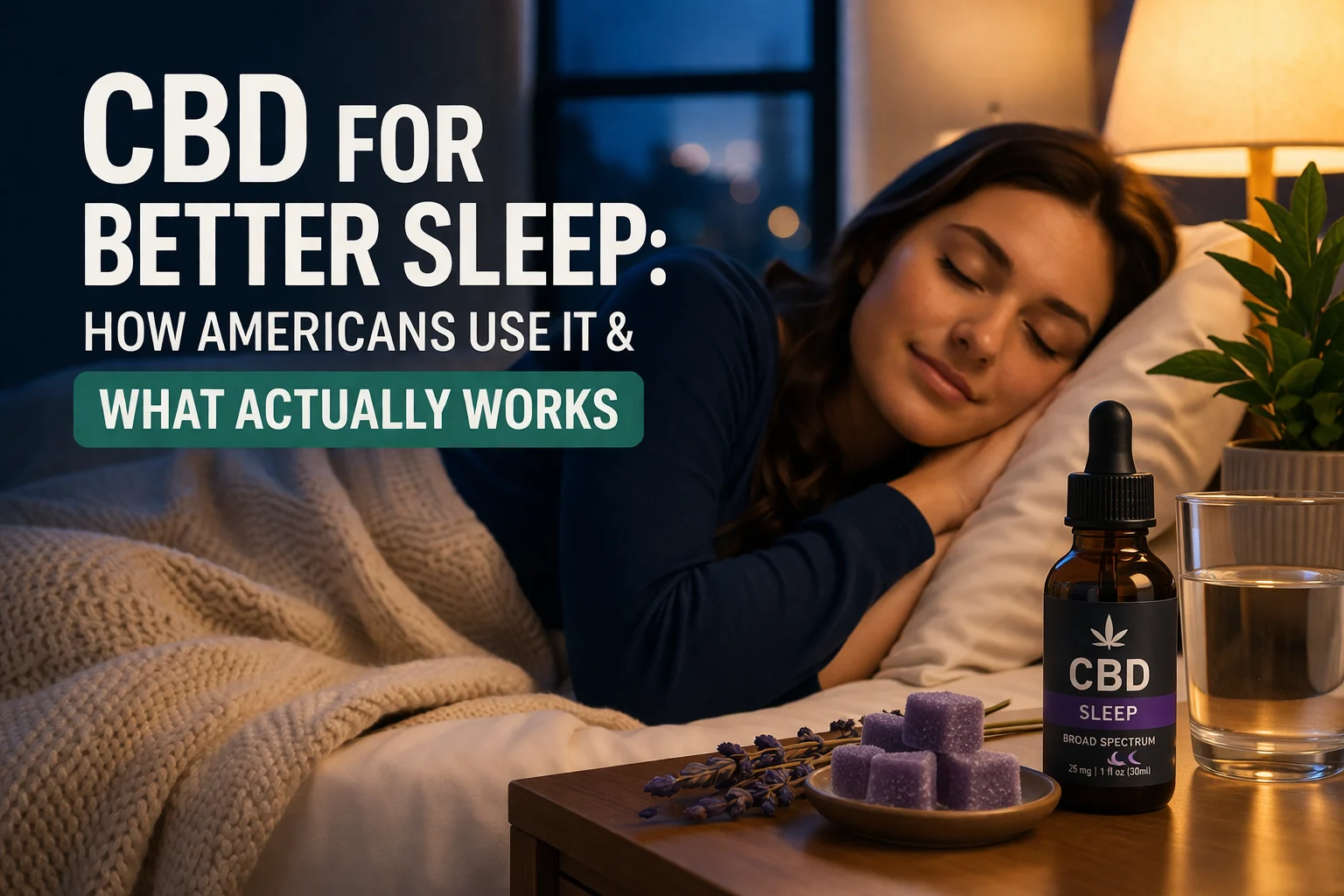
Sleep problems are everywhere in the U.S. — from late-night scrolling to chronic insomnia. In fact, a large percentage of Americans report not getting the recommended 7+ hours of sleep regularly.
That’s where CBD (cannabidiol) has entered the conversation. Marketed as a natural, non-intoxicating sleep aid, CBD has quickly become one of the most popular wellness supplements in the country. But here’s the real question: Does it actually work for sleep, or is it just hype?
Let’s break down how Americans are using CBD for sleep, what science says, and what truly works.
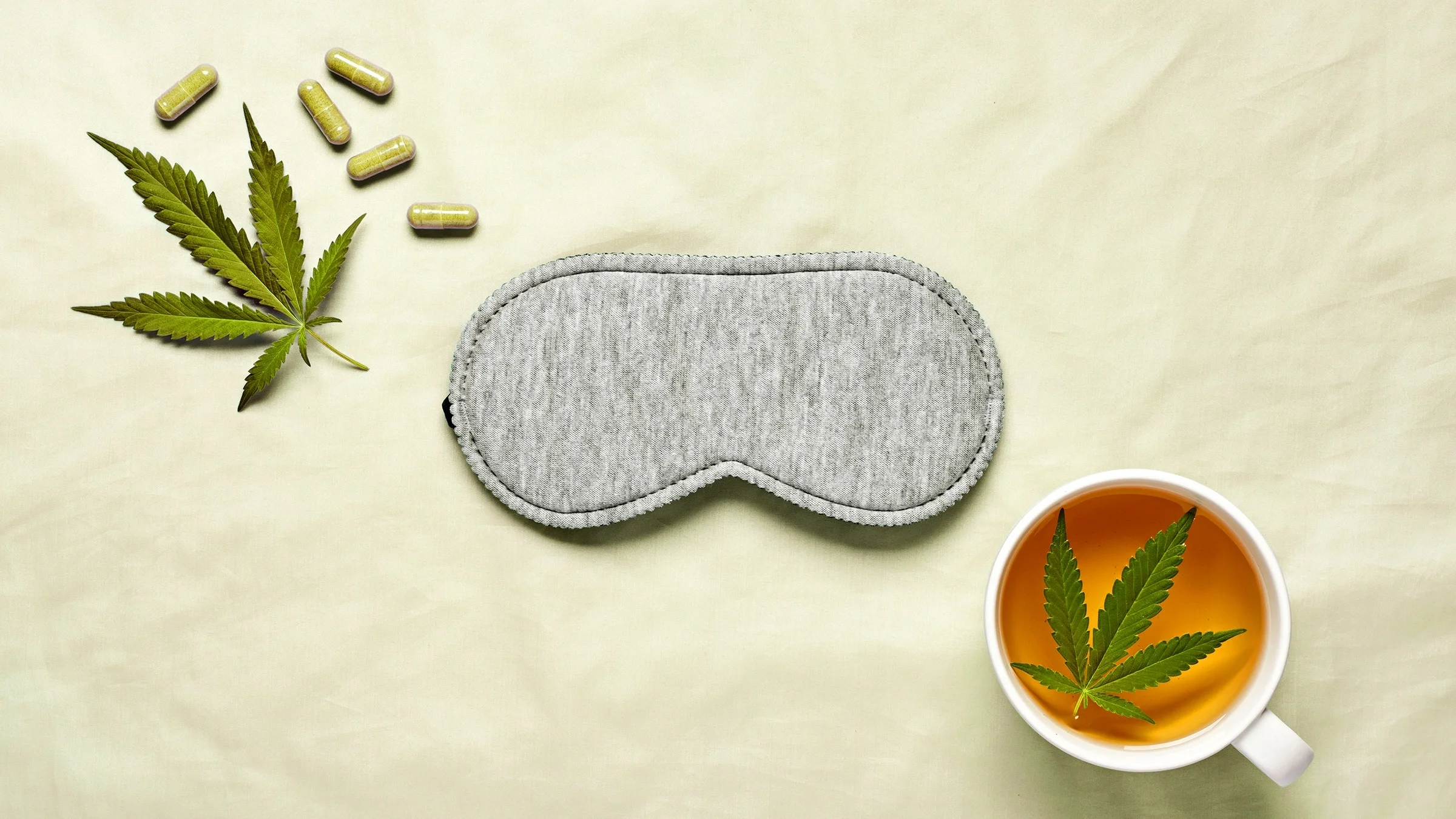
What Is CBD and Why People Use It for Sleep
CBD is a compound derived from the cannabis plant. Unlike THC, it doesn’t make you high, which makes it appealing to people looking for relaxation without intoxication.
Instead, CBD interacts with the body’s endocannabinoid system (ECS) a network that helps regulate mood, stress, pain, and sleep cycles.
Why Americans Turn to CBD for Sleep:
- Stress and anxiety relief
- Chronic pain management
- Reducing nighttime restlessness
- Seeking alternatives to prescription sleep meds
For many users, CBD isn’t just about sleep—it’s about fixing the root causes that disrupt sleep.
While CBD is widely used for better sleep, THCA flower is gaining attention for its full-spectrum experience and relaxing properties. According to a recent report on top THCA flower strains in 2026, consumers are increasingly drawn to high-terpene, lab-tested options for quality and consistency.
Why Sleep Issues Are So Common in the U.S.
Before understanding CBD, it helps to understand the problem.
Modern American lifestyles contribute heavily to poor sleep:
- High stress levels and work pressure
- Excessive screen time
- Irregular sleep schedules
- Anxiety and mental health challenges
That’s why many people are looking beyond traditional sleep pills, which can cause dependency or grogginess.
CBD is seen as a “natural middle ground”—but whether it delivers depends on how it’s used.
If you’re taking medications along with CBD, it’s important to understand how they may interact—our detailed guide on CBD interactions with medications and what your doctor needs to know explains this in depth.
How Americans Are Using CBD for Sleep
CBD isn’t a one-size-fits-all solution. People use it in different forms depending on their needs.
1. CBD Oils and Tinctures (Most Popular)
- Taken under the tongue (sublingual)
- Fast absorption (15–45 minutes)
- Easy to control dosage
Common use: Taking CBD oil 30–60 minutes before bedtime.
2. CBD Gummies and Edibles
- Slower onset (30–90 minutes)
- Longer-lasting effects
Ideal for people who struggle to stay asleep rather than fall asleep.
3. CBD Capsules
- Precise dosing
- Similar to supplements
Often used by people who prefer consistency and convenience.
4. CBD + Melatonin Products
-
Combine relaxation (CBD) with sleep hormone regulation (melatonin)
Research suggests this combo may help people fall asleep faster and stay asleep longer, although results vary.
5. CBD Vapes (Less Recommended)
- Fastest onset
- Short-lived effects
Used by some for immediate relaxation, but not ideal for maintaining sleep.
What Science Actually Says About CBD for Sleep
Here’s where things get interesting.
What CBD May Help With:
- Anxiety reduction
- Stress relief
- Pain management
- Relaxation before bed
These indirect effects can improve sleep quality.
CBD is widely used for these purposes, and many people report better sleep as a result.
What Research Is Still Unclear About:
- Direct sleep-inducing effects
- Optimal dosage
- Long-term effectiveness
A systematic review found that CBD alone may not significantly improve sleep compared to placebo, while other cannabinoids showed stronger effects.
Another review also concluded that evidence supporting CBD as a sleep treatment is still limited and inconsistent.
In simple terms:
CBD helps sleep indirectly, not necessarily as a sedative.
Real User Experiences (What People Are Saying)
Across online communities, many users report positive experiences—especially when sleep issues are linked to anxiety or pain.
From Reddit discussions:
“CBD can support sleep… by countering anxiety, pain, stress…”
However, results vary widely:
- Some users fall asleep faster
- Others notice calmer evenings but no major sleep change
- A few feel no effect at all
This inconsistency matches what research shows.
If you’re exploring different cannabis-based options for relaxation and sleep, it’s also worth understanding how formats impact your experience—especially when comparing drinks and edibles. Our guide on “THC-Infused Drinks vs Gummies: How to Choose?” breaks down which option works best depending on your needs.
What Actually Works: Proven Ways to Use CBD for Sleep
If you’re going to use CBD for sleep, how you use it matters more than whether you use it.
1. Use CBD for the Cause, Not Just Sleep
CBD works best when sleep issues are caused by:
- Anxiety
- Chronic pain
- Stress
It’s less effective for pure insomnia without underlying issues.
2. Choose the Right Type
- Full-spectrum CBD may work better due to the “entourage effect” (combination of cannabinoids)
- CBD isolate may feel weaker
3. Get the Timing Right
- Oils: 30–60 minutes before bed
- Edibles: 1–2 hours before bed
Consistency matters more than one-time use.
4. Start Low, Then Adjust
CBD isn’t one-dose-fits-all.
Typical beginner approach:
- Start with a low dose
- Gradually increase
- Track sleep quality
5. Combine CBD with Sleep Hygiene
CBD alone won’t fix bad habits.
For best results:
- Keep a consistent sleep schedule
- Avoid screens before bed
- Limit caffeine
- Create a dark, cool sleeping environment
CBD vs Other Sleep Aids
Let’s compare CBD with common alternatives:
| Sleep Aid | Best For | Downsides |
|---|---|---|
| CBD | Anxiety, stress, pain-related sleep issues | Inconsistent results |
| Melatonin | Falling asleep faster | May not improve sleep quality |
| Prescription meds | Severe insomnia | Risk of dependency |
| Herbal supplements | Mild sleep issues | Limited evidence |
CBD sits somewhere in the middle—less aggressive than meds, but less reliable than melatonin for quick sleep onset.
Potential Side Effects and Risks
CBD is generally considered safe, but it’s not risk-free.
Possible side effects:
- Drowsiness
- Dry mouth
- Digestive issues
- Interaction with medications
Experts recommend consulting a doctor before use, especially if you take other medications.
The Biggest Mistake People Make with CBD
Most people expect CBD to work like a sleeping pill.
That’s the wrong mindset.
CBD is not:
- A knockout sedative
- An instant fix
Instead, it’s:
- A support tool for relaxation
- A long-term aid for better sleep habits
The Future of CBD for Sleep
Interest in CBD is growing rapidly in the U.S., and research is catching up.
Emerging trends:
- CBD + minor cannabinoids (CBN, THC blends)
- Personalized dosing
- Sleep-specific formulations
Some studies suggest combinations of cannabinoids may be more effective than CBD alone—but more research is needed.
While CBD is widely used for relaxation and sleep, some users also explore THCA products for their calming effects. If you’re curious about top options available today, you can explore a curated list of best THCA flower strains in 2026 to better understand what’s trending.
Final Verdict: Does CBD Actually Work for Sleep?
Yes but not in the way most people think.
CBD can help improve sleep if:
- Your sleep issues are caused by anxiety, stress, or pain
- You use the right type and dosage
- You combine it with good sleep habits
No it’s not a guaranteed solution for insomnia.
Bottom Line
CBD is popular among Americans for sleep because it offers a natural, non-intoxicating option. But its effectiveness depends heavily on how and why you use it.
If you treat CBD as part of a bigger sleep strategy—not a magic cure—you’re far more likely to see real results.
About the Author