Introduction
The cannabis world has evolved far beyond dried flowers and simple extracts. Today, consumers have access to highly refined concentrates that deliver unparalleled potency, purity, and predictable effects. Among the most intriguing of these innovations are THC crystals, often referred to as THCa Crystals or Diamonds. Their clear, sparkling structure resembles quartz or table sugar, but their impact is anything but ordinary. THC crystals represent one of the purest forms of cannabinoids available, capturing cannabis in its most concentrated and chemical-stable form.
This comprehensive guide explains what THC crystals are, how they’re produced, what effects they deliver, how they are consumed, their legality, and why they have developed a reputation as the ultimate form of cannabis potency.
What Are THC Crystals?
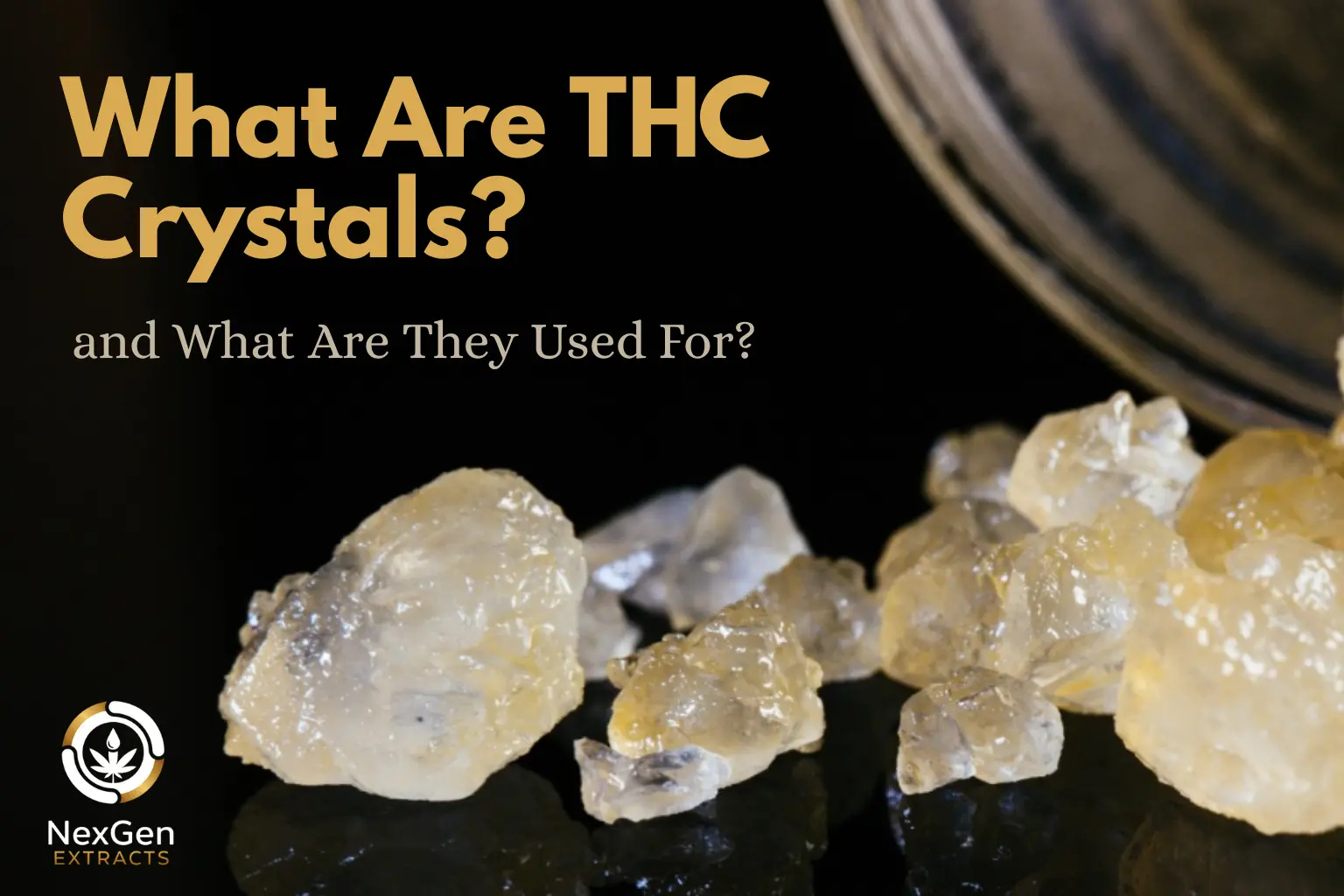
THC crystals are isolated cannabinoid structures composed almost entirely of tetrahydrocannabinolic acid (THCa). THCa is the raw, non-psychoactive form of THC found in fresh cannabis. It only transitions into psychoactive THC when exposed to sufficient heat, a process known as decarboxylation. Because THC crystals exist predominantly in THCa form prior to heating, they are technically non-intoxicating until activated through smoking, dabbing, or vaporization.
Their purity can reach extremely high levels, often 97%–99% THCa, making them one of the most potent cannabis concentrates on the market. While many concentrates include terpenes, cannabinoids, waxes, and lipids, THC crystals deliver the cannabinoid in a near-isolated format.
How Are THC Crystals Made?
The creation of THCa crystals is not a simple extraction process; it requires expertise, time, and careful laboratory refinement. The process begins with high-quality cannabis, which is extracted using a hydrocarbon method (typically butane or propane). This initial extraction produces a crude oil full of terpenes and cannabinoids. From there, a process known as recrystallization or diamond mining begins.
The extract is placed in specialized containers under controlled pressure and temperature conditions. Over time, the THCa molecules slowly bind together, forming crystalline structures. It can take days to weeks for full crystal development. Once the crystals reach maturity, they are separated from terpene-rich liquid, which is often sold independently as high-terpene extract (HTE).
The result is a visually stunning concentrate resembling crystals or shattered candy and containing some of the highest cannabinoid purity available in the legal market.
Why THCa Rather Than THC?
One of the reasons THC crystals exist as THCa instead of activated THC is stability. In its acid form, the molecule remains structurally sound and easier to isolate. If the crystals were heated prior to their formation, they would degrade, liquefy, or lose structural purity. Therefore, the conversion happens only at the moment of consumption.
This makes THC crystals extremely versatile because the user can choose:
• Whether to vaporize them
• Whether to dab them
• Whether to introduce them into joints, bowls, or flower mixes
The decarboxylation happens in real time, giving the consumer control over activation and dosing.
Effects of THCa Crystals
Once activated into THC through heat, THC crystals deliver some of the strongest cannabis effects available. The experience is potent, clean, and long-lasting due to their chemical concentration. Consumers often describe the high as exceptionally clear and intense, with immediate onset and noticeable cerebral and body effects.
Because THC crystals lack terpenes in their isolated form, the high can feel more neutral or clean, without the layered effects associated with broad-spectrum or full-spectrum concentrates. Some users appreciate this purity, while others prefer pairing crystals with terpene sauces to achieve a more strain-specific experience.
Broad generalizations of effects include:
• Deep euphoria and elevated mood
• Strong cerebral stimulation
• Sensory enhancement
• Relaxation or body heaviness depending on dose
Given their potency, THC crystals are not recommended for beginners. A very small amount goes a long way, and those inexperienced with strong concentrates should exercise caution.
Medical Uses and Potential Benefits
Although many users enjoy THC crystals recreationally, their purity and controlled cannabinoids make them appealing to medical consumers as well. Because they allow precise dosing, patients can achieve effects efficiently without inhaling larger volumes of combusted material.
Potential medical applications reported by users include:
• Strong relief for chronic discomfort
• Appetite stimulation
• Mood elevation
• Stress relief for intense daily tension
• Sleep support when consumed at proper times
The clean nature of THC crystals also makes them favored among individuals seeking medical-grade relief without exposure to residual solvents, waxes, or impurities.
Potency and Why It Matters
The defining feature of THC crystals is their potency. Concentrates such as wax, crumble, or rosin may range anywhere between 50% and 85% THC. THCa crystals, once decarboxylated, frequently deliver results at 99% purity.
This allows consumers to achieve desired results with extremely minimal material. A single dab can produce an experience that lasts significantly longer than hitting flower or concentrates of lower strength. For that reason, dosing awareness is essential.
Those new to THCa crystals should start with very small quantities and gradually adjust upward as they understand their personal tolerance.
How Are THC Crystals Consumed?
There are several effective methods of consuming THC crystals, each delivering slightly different experiences. The most common method is dabbing, which uses a heated nail or electronic rig. The heat melts and activates the THCa, converting it into THC vapor. This is popular because it allows controlled activation and minimal waste.
Many users incorporate THC crystals into bowls or add pinches to flower in a joint. This produces enhanced potency without overwhelming flavor. In some cases, crystals are paired with terpene sauce to restore full-spectrum characteristics. This combination is often called “Diamonds and Sauce” and is one of the most revered concentrate products on dispensary shelves.
No matter the method, heat activation is essential; otherwise, the THCa remains chemically non-psychoactive.
Flavor and Aroma Characteristics
Because isolated crystals do not contain terpenes, they are mostly neutral in smell and taste. This neutrality is not a flaw but a sign of extreme purification. Consumers seeking rich flavor frequently combine diamonds with terpene sauces or high-terpene extracts.
Many enthusiasts prefer it this way because it gives them full control: they can customize terpene intensity, strain character, and aroma details. Meanwhile, those who want potency above all else enjoy the purity of crystals alone.
Why THCa Crystals Are Considered Premium
Not all concentrates are created equal. Some are lower-grade and contain plant impurities, residual solvents, unclear potency, or inconsistent results. THCa crystals, on the other hand, represent meticulous laboratory work and are often viewed as a premium product reserved for discerning cannabis enthusiasts.
The reasons for this reputation include:
• High purity
• Chemical clarity
• Predictable effects
• Consistent cannabinoid content
• Long shelf life when properly stored
Consumers who appreciate transparency, cleanliness, and predictable potency often regard THC crystals as the peak of concentrate achievements.
Storage and Longevity
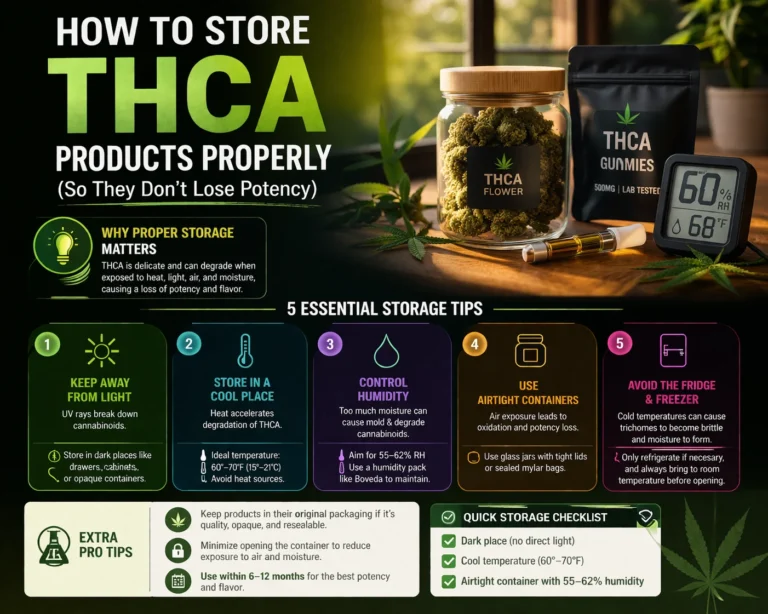
THC crystals hold their structure remarkably well when stored correctly. A key factor is temperature stability. They should be kept in airtight containers away from sunlight, excess humidity, and fluctuating heat. Unlike terpene sauce, which can degrade more quickly because of volatile compounds, THCa diamonds retain their clarity and potency over a significant time period.
This makes them an ideal choice for users who want to purchase a premium concentrate without worrying about accelerated degradation.
Are THC Crystals Legal?
The legality of THC crystals mirrors cannabis legality as a whole. In recreationally legal markets, THCa crystals are permitted for sale through licensed dispensaries. In medical marijuana states, they can typically be purchased by registered patients. Where cannabis remains prohibited, THC crystals also fall under prohibition.
Because of their purity, they may attract stricter scrutiny in some jurisdictions. However, they are not chemically different in legality from any other high-THC cannabis product. The responsibility lies in consuming and purchasing only from safe, regulated sources that adhere to proper laboratory testing, packaging standards, and safety protocols.
Why Do THC Crystals Continue Gaining Popularity?
The rise of THCa crystals is not merely a trend; it is a reflection of cannabis refinement reaching laboratory-grade precision. Enthusiasts appreciate potency, medical users value dosing efficiency, and connoisseurs admire the purity. They are ideal for those who desire a concentrated experience without compromise.
Crystals also offer a versatile platform. Some enjoy them solo for maximum strength. Others blend them with terpene extracts to reintroduce strain personality. The user remains fully in control, which is not always possible in pre-mixed concentrate products.
Final Thoughts: Are THC Crystals Worth Exploring?
For consumers looking for the pinnacle of cannabinoid purity, THC crystals are absolutely worth experiencing. They offer a clean, controlled, powerful form of cannabis activation suitable for medical and recreational users who understand their tolerance level. Although they are not suitable for beginners or casual consumers unprepared for their potency, they deserve the respect and admiration they’ve gained in the cannabis space.
As long as users approach them with proper knowledge, responsible dosing, and high-quality sourcing, THC crystals deliver some of the most unique and refined results modern cannabis has to offer.
About the Author