Introduction
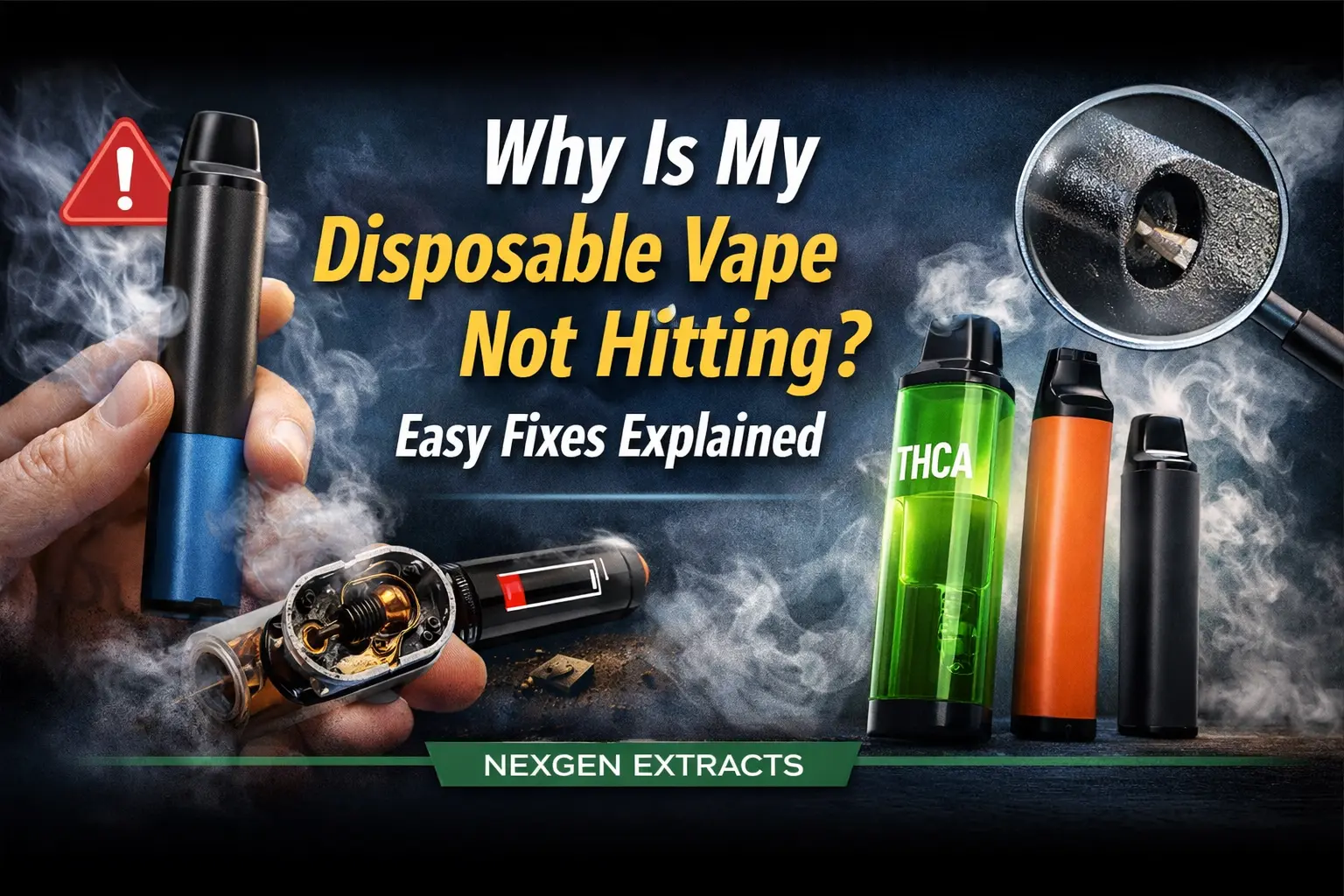
Disposable vapes are designed for convenience. There are no buttons, no refilling, and no complex settings—just inhale and use. That simplicity is exactly why Disposable vapes have become one of the most popular vaping formats globally. However, when a device suddenly stops producing vapor, the experience can quickly turn frustrating.
If your disposable vape is not hitting, there are several possible causes—most of which are easy to diagnose and fix. In this comprehensive guide from NexGen Extracts, we break down the common reasons why a disposable vape stops working, how to fix it, and when it’s time to replace it. We also touch on specific considerations for THCA devices, including thca disposable vapes, to ensure you understand the nuances between nicotine and cannabinoid hardware.
Understanding How Disposable Vapes Work
Before troubleshooting, it helps to understand the core components inside disposable vapes:
- Battery – Powers the heating element
- Coil (Atomizer) – Heats the e-liquid or oil
- E-liquid or Extract Reservoir – Contains nicotine or cannabinoid liquid
- Airflow Sensor – Activates the device when you inhale
- Mouthpiece & Airflow Channel – Delivers vapor
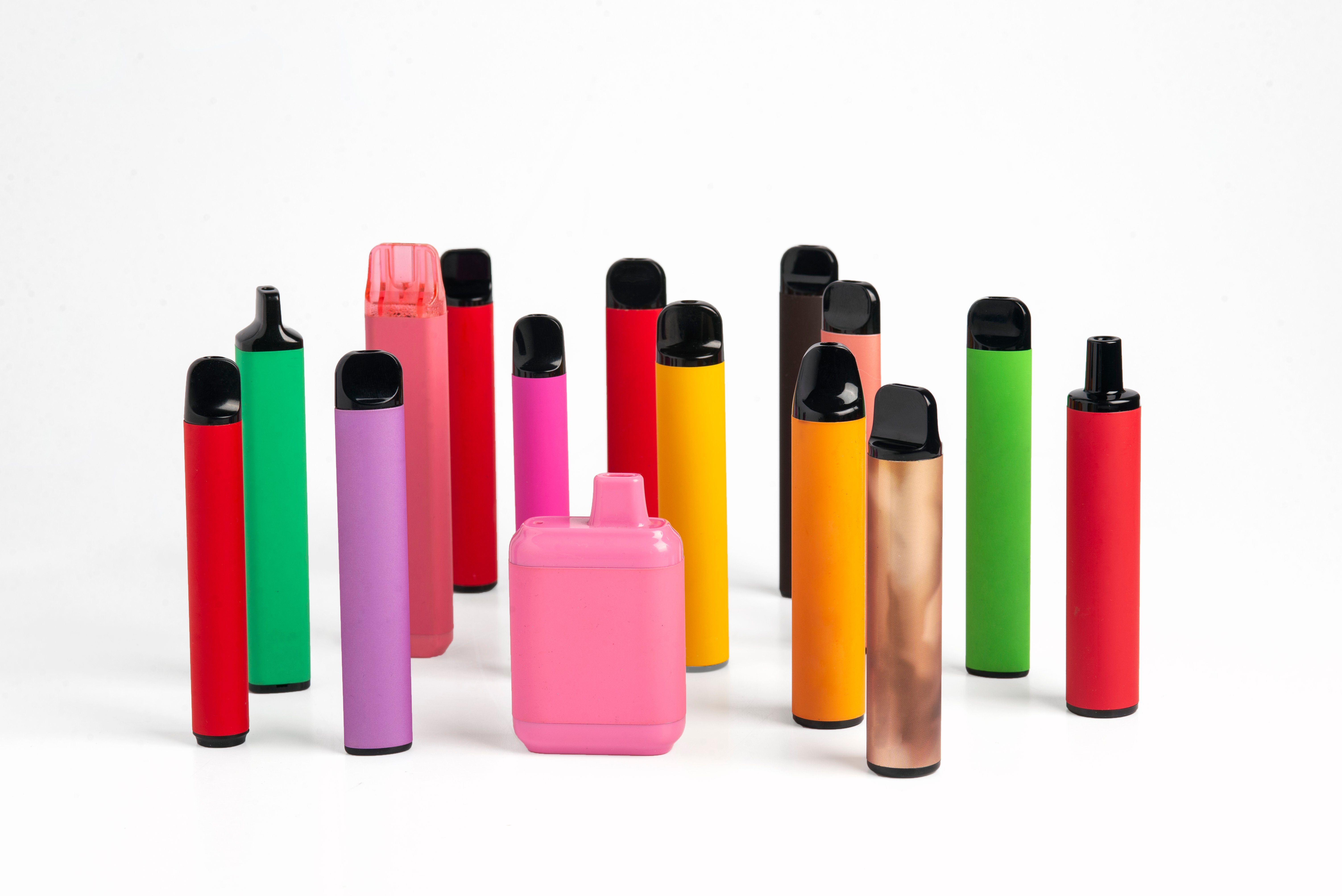
Most disposable vapes are draw-activated. That means inhaling triggers the airflow sensor, which signals the battery to heat the coil. If any part of this chain fails, the device won’t hit.
Common Reasons Your Disposable Vape Is Not Hitting
1. The Battery Is Dead
The most common reason a disposable vape stops hitting is a depleted battery. Traditional disposables are not rechargeable, so once the battery runs out, the device becomes unusable—even if e-liquid remains.
How to identify:
- No light indicator when inhaling
- No vapor production
- Device feels completely inactive
Fix:
If the device is non-rechargeable, replacement is the only solution. If it includes a USB-C port (common in newer high-puff models and some thca disposable vapes), plug it in for 30–60 minutes and try again.
2. Airflow Is Blocked
Disposable vapes rely on unobstructed airflow. Small blockages can prevent the sensor from activating.
Common causes:
- Pocket lint or debris in airflow holes
- Oil condensation buildup
- Manufacturing seal not fully removed
Fix:
- Inspect and gently clear airflow holes with a toothpick
- Wipe the mouthpiece with a dry cloth
- Ensure all silicone plugs are removed
Avoid using sharp metal objects, as they can damage internal components.
3. The Device Is Clogged
Clogging is particularly common in thca disposable vapes and other oil-based devices. THCA extracts are thicker than nicotine e-liquids and can solidify slightly in cooler temperatures.
Signs of a clog:
- Hard draw with little or no vapor
- Gurgling sound
- Resistance when inhaling
Fix:
- Warm the device gently in your hands for 2–3 minutes
- Take short, gentle primer puffs without fully inhaling
- Store upright to prevent oil from settling in the airway
Clogging is not necessarily a defect—it’s often a result of oil viscosity.
4. The Coil Is Burnt
If your disposable vape produces a burnt taste or no vapor at all, the coil may be damaged.
This can happen when:
- The device is chain-vaped excessively
- E-liquid runs out
- The wick dries out
Once a coil burns, it cannot be repaired.
Fix:
Replacement is the only solution. This is why choosing quality hardware—especially when searching for the best disposable vapes or best thca vapes—matters. Inferior coils burn out faster.
5. It’s Out of E-Liquid or Oil
Even if the battery works, an empty reservoir means no vapor.
How to check:
- Device feels lighter than usual
- Flavor suddenly disappears
- Vapor becomes extremely thin
Many disposables are not transparent, making it difficult to see remaining liquid. High-puff devices may last several days to weeks depending on usage.
6. Internal Connection Failure
Occasionally, manufacturing defects can cause internal wiring to disconnect. This is more common in very low-cost products, including some cheap thca vapes sold without quality control standards.
If:
- The device is brand new
- It has never worked
- There are no airflow blockages
It may be defective.
Fix:
Dispose of the unit responsibly and consider sourcing products from reputable brands known for consistent hardware engineering.
7. Temperature Issues
Cold environments can affect performance—especially for cannabinoid devices.
THCA and other extracts become more viscous at lower temperatures. This can prevent proper wicking and airflow activation.
Fix:
- Keep the device at room temperature
- Avoid leaving it in a car overnight
- Warm gently before use if needed
Special Considerations for THCA Disposable Vapes
Unlike nicotine e-liquids, THCA concentrates behave differently under heat and airflow. When using thca disposable vapes, you may encounter issues specific to oil viscosity and crystallization.
Why THCA Devices May Not Hit:
- Oil thickening
- Partial crystallization
- Inadequate preheating
- Overly tight airflow design
Premium best thca vapes typically use ceramic coils and optimized airflow channels to accommodate thicker extracts. Lower-cost alternatives may struggle with consistency.
That said, hardware issues are not exclusive to budget products. Even high-end devices can clog if stored improperly.
How to Prevent Disposable Vape Problems
Prevention is more effective than troubleshooting. Follow these best practices:
1. Store Upright
Keeps oil from pooling in the mouthpiece.
2. Avoid Chain Vaping
Allow 20–30 seconds between puffs to prevent overheating.
3. Keep at Room Temperature
Extreme cold or heat impacts performance.
4. Choose Quality Hardware
While many users search for cheap thca vapes, hardware reliability often correlates with build quality. That does not mean expensive always equals better—but poorly manufactured devices fail more frequently.
5. Check Puff Ratings
High-puff disposables typically have larger batteries and reservoirs, reducing early burnout.
When Should You Replace Your Disposable Vape?
Replace your device if:
- The battery is fully depleted and non-rechargeable
- The coil is burnt
- There is visible oil leakage
- The device was defective from the start
- Vapor production remains absent after troubleshooting
Disposable vapes are not designed for long-term repair. If multiple issues persist, replacement is more practical than attempting invasive fixes.
Are Disposable Vapes Reliable?
Modern Disposable vapes have significantly improved in reliability compared to earlier models. Rechargeable disposables and advanced ceramic coils have reduced premature failure rates.
However, reliability depends on:
- Manufacturing standards
- Battery capacity
- Coil quality
- Oil formulation (for cannabinoid devices)
When researching the best disposable vapes, consider reviews focused on hardware durability—not just flavor profiles.
Similarly, when evaluating best thca vapes, look for:
- Ceramic heating elements
- Anti-clog airflow systems
- Verified extract consistency
Are Cheap THCA Vapes Worth It?
The term cheap thca vapes often reflects pricing rather than quality. Affordable options can perform well if sourced from responsible manufacturers. However, extremely low-cost devices may cut corners in:
- Battery safety
- Coil materials
- Airflow engineering
- Oil refinement
If a device frequently fails to hit straight out of the package, hardware quality is likely the root cause.
At NexGen Extracts, we emphasize informed decision-making. While we do not sell products, our goal is to help readers understand what differentiates functional devices from problematic ones.
Frequently Asked Questions
1) Why does my disposable vape light up but not hit?
This often indicates airflow blockage or a clogged airway. The battery works, but vapor cannot travel through the channel.
2) Can I recharge a disposable vape that isn’t rechargeable?
Attempting to modify a non-rechargeable device is unsafe and not recommended.
3) Why is my THCA disposable vape not hitting after sitting unused?
Oil thickening or partial crystallization may be restricting airflow. Gentle warming typically resolves the issue.
4) How long should a disposable vape last?
Longevity depends on puff count, usage frequency, and battery size. A 5,000-puff device may last several days to weeks for moderate users.
Final Thoughts
If your disposable vape is not hitting, the issue usually falls into one of five categories: dead battery, clogging, airflow blockage, burnt coil, or empty reservoir. Most problems are minor and easily resolved without replacing the device.
For cannabinoid devices such as thca disposable vapes, temperature and oil viscosity add another layer of troubleshooting. Understanding these mechanical and material factors helps prevent unnecessary frustration.
When exploring the best disposable vapes or comparing best thca vapes, focus on hardware design, coil material, and battery capacity—not just price. While many users search for cheap thca vapes, reliability ultimately depends on manufacturing standards rather than cost alone.
At NexGen Extracts, our mission is education. We provide research-driven insights to help readers make informed decisions in an evolving industry. Whether you’re troubleshooting a device or researching the next one, understanding the mechanics behind disposable vapes ensures a better overall experience.
If you found this guide helpful, explore more in-depth vaping education articles here on NexGen Extracts—where knowledge comes first.
About the Author