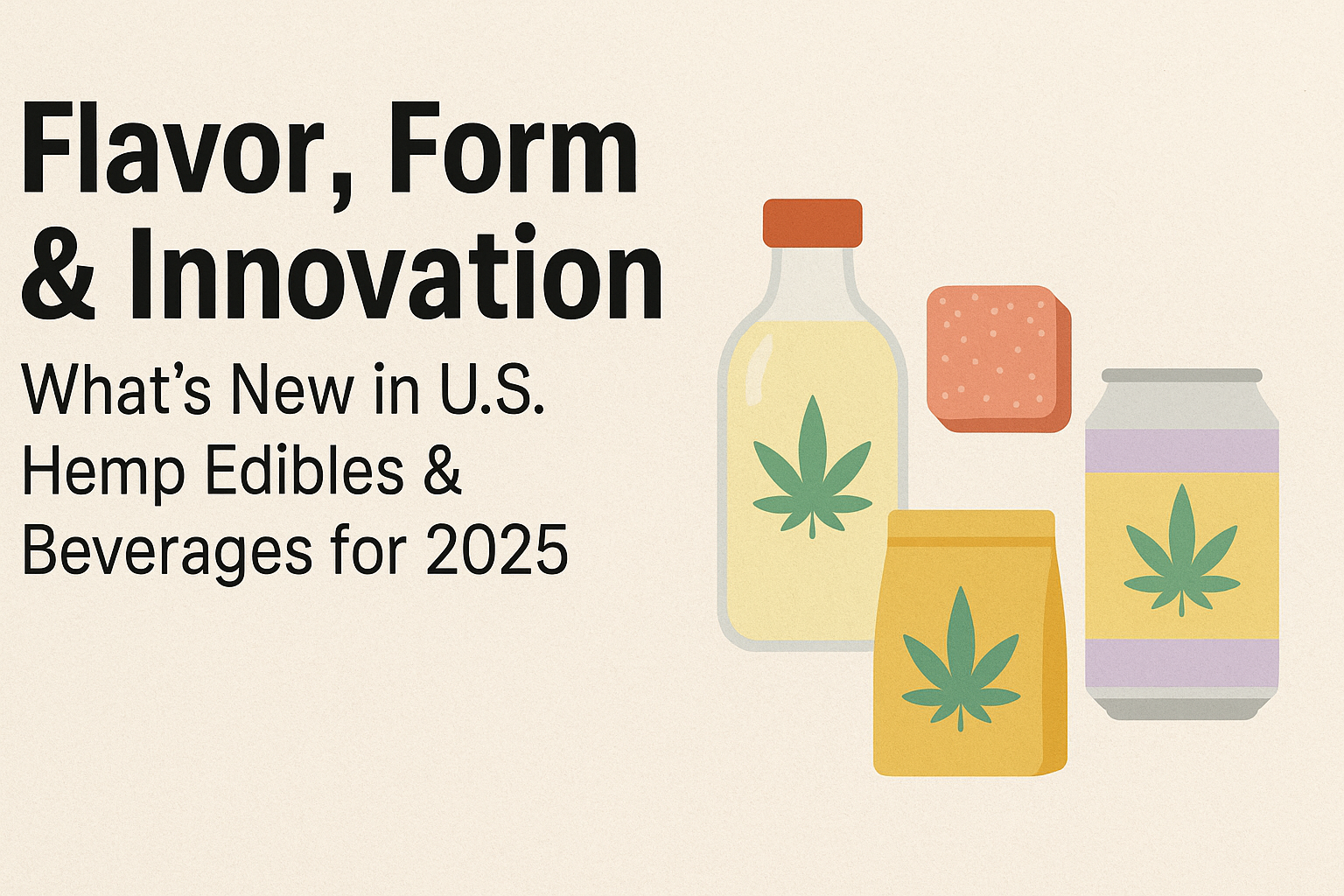
The U.S. hemp edibles and beverage industry has stepped into a new era in 2025. What once revolved around sugary gummies and CBD tinctures has transformed into a sophisticated ecosystem of low-dose seltzers, functional shots, nano-infused chocolates, and calming teas.
Today’s consumers expect much more than a buzz — they look for consistency, taste, trust, and experiences that fit their lifestyle. This new wave of innovation blends wellness, pleasure, and precision, shaping hemp consumption into something truly mainstream.
Let’s explore how flavor, form, and innovation are redefining the future of hemp-derived edibles and beverages in America.
1. The Big Picture: Rapid Growth Meets Rising Regulation
The hemp industry in the U.S. continues to grow at a staggering pace. Sales of hemp-derived cannabinoids like Delta 8 THC, Delta 9, and THCA-infused products have surged over the last two years, driven by consumer curiosity and changing attitudes toward natural relaxation.
However, with this boom comes increased regulatory scrutiny. Several states have started reviewing how intoxicating hemp products — especially Delta 8 Gummies, THCA Flower, and hemp-based drinks — fit into current cannabis laws.
The federal definition of hemp, which sets the THC limit at 0.3%, has become the center of debate. Lawmakers are exploring whether this rule should include all intoxicating cannabinoids combined, which could potentially impact certain products on the market.
For brands, the message is clear: stay compliant, stay transparent, and prepare for evolving rules.
2. Flavor Evolution: From Sweet Treats to Gourmet Experiences
Gone are the days when hemp edibles tasted like grassy extracts hidden behind a sugary candy shell. In 2025, flavor innovation has become an art form — and a key selling point.
Trending Flavor Directions
- Botanical Blends: Consumers are drawn to natural, spa-inspired flavors like hibiscus-lime, ginger-peach, and chamomile-honey.
- Tea & Herbal Notes: Since many hemp consumers also love tea, brands are exploring matcha, chai, and green tea infusions that blend seamlessly with cannabinoids.
- Exotic Fruits: Passionfruit, blood orange, and yuzu have replaced artificial berry flavors, offering a sophisticated twist.
- Sugar Consciousness: Brands are switching to monk fruit, stevia, or allulose to deliver sweetness without excess sugar.
- Masking Done Right: Nanoemulsion and encapsulation technologies help remove the bitter “hemp” taste, allowing subtler flavors to shine through.
Today’s hemp consumers care about taste and wellness equally. They want edibles that feel clean, refined, and enjoyable — not just effective.
3. New Forms, New Experiences: Beyond the Gummy
While gummies remain the most popular choice, 2025 has seen a creative explosion in hemp product formats. Consumers now seek variety, speed, and portability.
Emerging Product Forms
- Hemp-Infused Seltzers: Sparkling beverages infused with low doses of Delta 8 THC or THCA extracts have become a favorite alternative to alcohol. They’re social, refreshing, and perfect for gatherings.
- Quick-Acting Shots: Concentrated 2–5 mg wellness shots deliver fast results for relaxation or focus. These portable options appeal to professionals and night-time users alike.
- Powders & Dissolvables: Single-serve sachets that dissolve in water or tea allow precise dosing and discreet use.
- Edible Films: Thin strips placed under the tongue provide near-instant absorption, bridging the gap between edibles and vapes.
- Functional Snacks: Protein bites, infused granola, and recovery bars combine nutrition with cannabinoids for daily wellness routines.
Consumers now treat hemp like a lifestyle supplement — something to integrate seamlessly into their day rather than a special occasion treat.
4. The Science Behind Better Effects
Behind every delicious hemp edible lies a world of innovation. Formulators are using advanced chemistry and food science to make products faster-acting, more consistent, and safer.
Key Innovations
- Nanoemulsion Technology: By breaking down cannabinoids into microscopic droplets, absorption becomes faster and more efficient. The effects can kick in within 15–30 minutes instead of hours.
- Microdosing: Products are now available in smaller doses per piece (1–5 mg). This gives users greater control over their experience and prevents overconsumption.
- Bioavailability Focus: Water-soluble cannabinoid formulas ensure the body absorbs more of each dose, reducing waste.
- Terpene Pairing: Terpenes, the aromatic compounds in hemp and other plants, are used to fine-tune both flavor and mood effects.
- Functional Blends: Many edibles now include adaptogens like ashwagandha or nootropics like L-theanine to balance the experience — promoting calm, focus, or energy depending on the formula.
Science is making hemp edibles smarter, not stronger — delivering the right effect, right on time.
5. Packaging That Protects, Informs, and Impresses
Design in the hemp industry has matured from flashy to functional and sophisticated. Packaging now serves multiple purposes: safety, compliance, and storytelling.
Trends in Packaging
- Child-Resistant Design: Most states now require child-proof containers for any product with intoxicating cannabinoids.
- Minimal & Mature Branding: Simple typography, earthy tones, and clean designs make products feel premium and adult-oriented.
- Sustainable Materials: Hemp-based plastic alternatives and recyclable pouches are on the rise, aligning with eco-conscious buyers.
- Transparent Labeling: Consumers expect QR codes that lead directly to third-party lab results showing purity, potency, and safety.
- Informational Design: Dosing instructions, onset times, and “how to consume” icons make the experience easy for first-timers.
In 2025, packaging isn’t just about compliance — it’s about trust and connection.
6. The Rise of Hemp Beverages as a Social Alternative
Perhaps the most exciting development of 2025 is the hemp beverage revolution. These drinks have become a favorite among consumers seeking a mindful alternative to alcohol.
Why People Love Hemp Drinks
- Fast-Acting Effects: Thanks to nano-infused formulas, onset time is often 10–20 minutes.
- Low-Calorie and Sugar-Free: Most drinks have under 20 calories and use natural flavoring.
- Mood-Specific Options: Brands design beverages for “relax,” “focus,” or “social” moods — taking cues from the functional drink industry.
- Mainstream Availability: Hemp drinks are moving into grocery stores, restaurants, and even nightlife venues.
For many, a hemp seltzer offers the same social satisfaction as a beer or cocktail — without the hangover or heavy intoxication.
7. Responsible Growth: Safety, Testing, and Transparency
With popularity comes responsibility. The 2025 hemp market rewards brands that prioritize safety, education, and integrity.
Core Consumer Expectations
- Full Panel Lab Testing: Every batch must be tested for potency, heavy metals, pesticides, and residual solvents.
- Visible Certificates of Analysis (COAs): Customers want proof — often through QR codes on packaging.
- Clear Source Disclosure: Brands that show where their hemp is grown and how it’s extracted earn higher trust.
- Age Restrictions: Strict labeling and ID verification prevent underage use and protect brand reputation.
- Realistic Claims: Honest marketing about effects builds loyalty far more effectively than exaggerated promises.
Transparency is now the foundation of every successful hemp brand.
8. Understanding the Modern Hemp Consumer
The hemp audience in 2025 is far from one-size-fits-all. Different groups buy for very different reasons, and understanding those motivations helps brands create better experiences.
Main Consumer Segments
- Wellness Enthusiasts: Seek natural remedies for stress, sleep, and inflammation. They prefer organic ingredients and subtle flavors.
- Social Shifters: Replace alcohol with hemp beverages for relaxation without hangovers.
- Curious Newcomers: Want gentle effects and clear instructions for safe exploration.
- Experienced Users: Look for unique blends, terpenes, and higher doses for targeted effects.
Each segment values trust, taste, and control — not just potency.
9. Retail Landscape: From Online to On-Shelf
Hemp products are no longer confined to smoke shops. They’re now found in wellness stores, cafes, and e-commerce platforms nationwide.
Where Consumers Are Buying
- Online Stores: Direct-to-consumer websites dominate, offering convenience and education.
- Boutique Dispensaries: In some states, regulated shops carry both hemp and cannabis-derived products under strict guidelines.
- Health Food & Beverage Chains: Non-intoxicating CBD and Delta 8 drinks are entering mainstream shelves.
- Bars & Restaurants: Trendy venues now serve hemp mocktails as part of the “sober social” movement.
Omnichannel visibility helps brands reach more audiences while adapting to state-by-state regulations.
10. Brand Positioning That Wins in 2025
How a brand speaks matters just as much as what it sells. The most successful hemp companies this year follow three key principles:
1. Lead With Mood, Not Milligrams
Consumers care about how they’ll feel, not how much THC a product contains. Words like “Unwind,” “Focus,” or “Elevate” are more relatable than chemical names.
2. Make Transparency a Feature
Promote testing, sustainability, and honest sourcing as part of your brand’s identity — not hidden fine print.
3. Design for Adults
Sophisticated, minimalist branding appeals to mature buyers and satisfies regulatory expectations.
A brand that feels trustworthy, responsible, and modern will outlast any market trend.
11. Challenges and Opportunities Ahead
Challenges
- Regulatory Shifts: Federal definitions of hemp could change, reshaping the entire category.
- State-Level Restrictions: Some regions may tighten laws around intoxicating cannabinoids.
- Quality Control: Poorly tested products risk harming both consumers and brand reputation.
Opportunities
- Alcohol Replacement Market: Consumers reducing alcohol intake are seeking natural mood enhancers — a space hemp beverages fill perfectly.
- Functional Health Integration: Combining cannabinoids with vitamins, adaptogens, or herbs can expand hemp’s reach into the broader wellness market.
- Premium Positioning: As the market matures, customers are willing to pay more for superior ingredients, clean design, and precise formulation.
In short: smart innovation and responsible branding will define who thrives in the next phase of hemp evolution.
12. The Future of Hemp Innovation
The story of hemp edibles and beverages is just beginning. From nano-infused drinks to gourmet Delta 8 Gummies and THCA Flower blends, 2025 is shaping up as the year hemp officially entered mainstream wellness and lifestyle culture.
Consumers want products that taste good, feel reliable, and fit seamlessly into daily life. For brands, that means every decision — from flavor and form to labeling and education — must reflect integrity and innovation.
The future belongs to the creators who balance science, safety, and sensory delight. Hemp’s new chapter is about more than cannabinoids — it’s about connection, calm, and conscious living.
About the Author