Whether you’re a casual user or someone who stocks up in bulk, understanding how to store THCA flower correctly can make a massive difference in your experience. In this guide, we’ll break down the science and practical steps to keep your flower fresh, aromatic, and potent for as long as possible.
Why Proper Storage of THCA Flower Matters
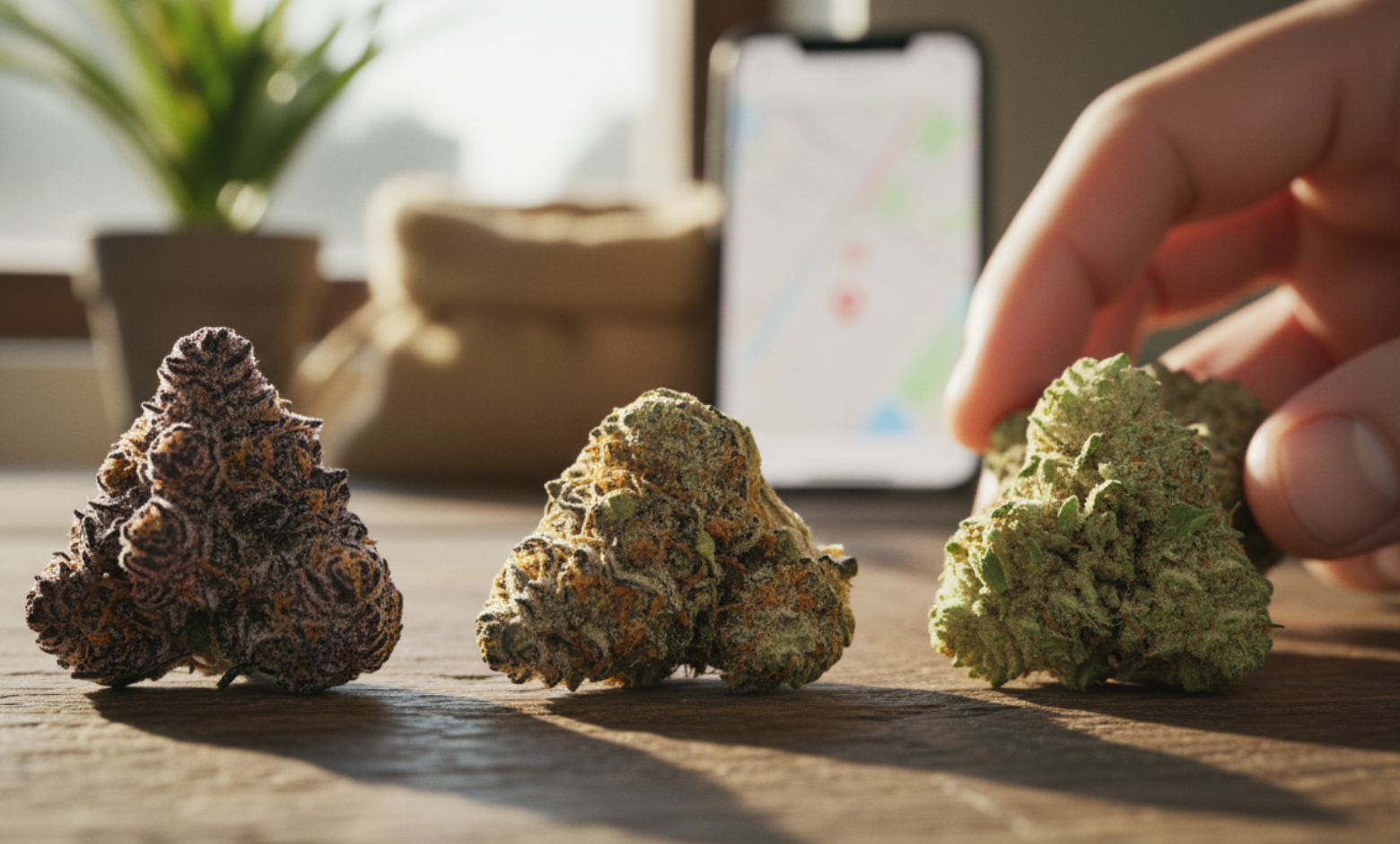
THCA flower is sensitive. It reacts to its environment—especially light, air, temperature, and humidity.
When stored improperly, several things can happen:
- Terpenes evaporate, reducing flavor and aroma
- Cannabinoids degrade, lowering potency
- Mold can develop, making it unsafe to consume
- Texture changes, making it too dry or too moist
The goal of proper storage is simple: maintain the ideal environment where your flower stays stable without degrading.
If you’re investing in top-tier cannabis, like the strains featured in the best THCA flowers of 2026, storing your flower properly ensures you enjoy the same rich flavor, aroma, and potency from the first use to the last.
Understanding What You’re Protecting
Before diving into storage methods, it helps to know what you’re preserving.
1. THCA (Tetrahydrocannabinolic Acid)
THCA is the raw, non-psychoactive compound found in cannabis.
When exposed to heat, it converts into THC. Improper storage—especially exposure to heat—can accelerate this conversion.
2. Terpenes
These are the aromatic compounds responsible for flavor and smell. They are highly volatile and degrade quickly if exposed to air or heat.
3. Trichomes
These tiny, crystal-like structures contain cannabinoids and terpenes. Rough handling or poor storage can damage them.
The 4 Enemies of THCA Flower
To store your flower properly, you need to protect it from these four key threats:
1. Light
UV rays break down cannabinoids and degrade quality. This is why flower left in sunlight loses potency quickly.
2. Air (Oxygen)
Too much oxygen dries out buds and causes terpene loss. Oxidation also impacts cannabinoid stability.
3. Heat
High temperatures speed up degradation and can prematurely convert THCA into THC.
4. Humidity
Too much moisture leads to mold. Too little dries out the flower and destroys terpenes.
Ideal Storage Conditions for THCA Flower
To keep your THCA flower in peak condition, aim for:
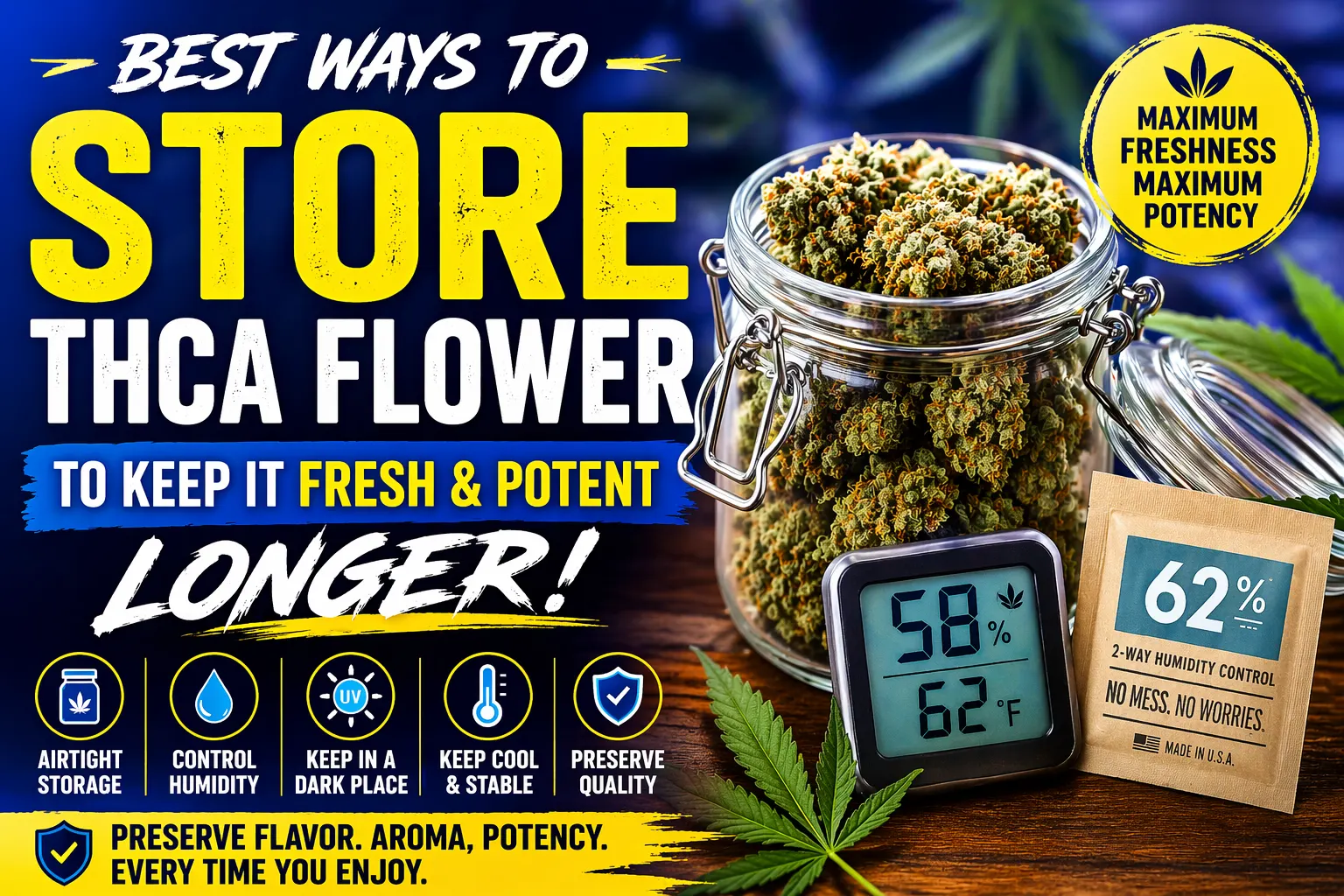
- Temperature: 60–70°F (15–21°C)
- Humidity: 55–62% relative humidity
- Light exposure: None (store in a dark place)
- Air exposure: Minimal
Think of it like storing fine wine or premium coffee—controlled conditions make all the difference.
To fully understand why temperature control matters so much, it helps to explore THCA flower effects explained: what happens before and after heating, which breaks down how THCA transforms and why proper storage plays a key role in preserving its original state.”
Best Storage Methods for THCA Flower
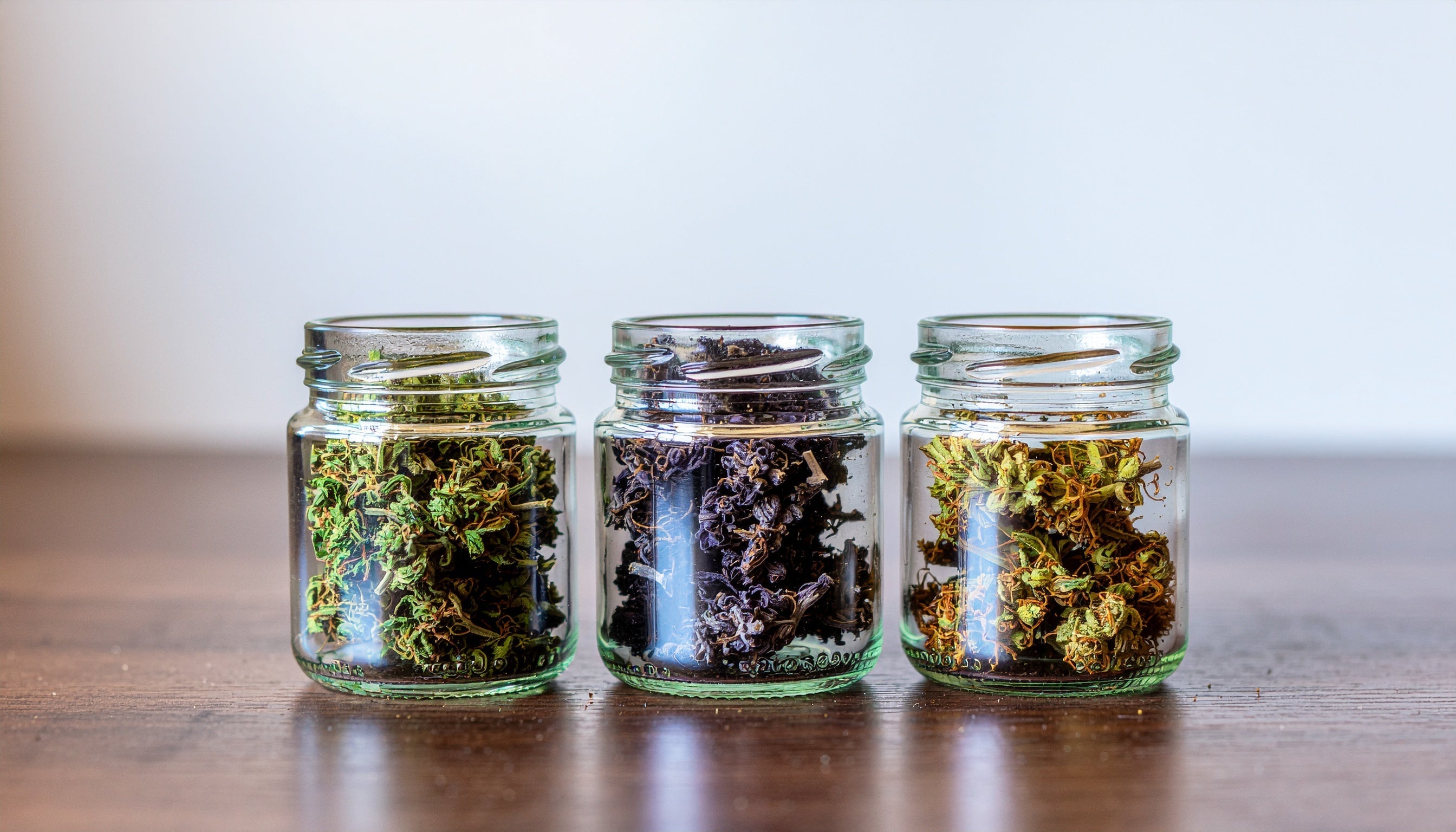
1. Glass Airtight Jars (The Gold Standard)
If you only follow one tip from this guide, make it this one.
Glass jars with airtight seals are the best storage option because they:
- Prevent air exchange
- Don’t affect flavor (unlike plastic)
- Maintain humidity better
- Are easy to store in dark spaces
Pro tip: Use tinted or UV-protected glass jars for extra protection against light.
2. Humidity Control Packs
Humidity packs are essential if you want long-term freshness.
They help maintain a consistent humidity level inside your container, typically around 58% or 62%, which is ideal for THCA flower.
Benefits:
- Prevents overdrying
- Reduces risk of mold
- Preserves terpene profile
Simply place one pack inside your jar, and it will regulate the environment automatically.
3. Store in a Cool, Dark Place
Even the best container won’t help if you leave it in a hot or bright area.
Good storage spots include:
- Closets
- Drawers
- Cabinets
Avoid:
- Windowsills
- Cars
- Kitchens (heat fluctuations)
Consistency is key—frequent temperature changes can degrade your flower over time.
4. Vacuum Sealing (For Long-Term Storage)
If you plan to store THCA flower for months, vacuum sealing is an excellent option.
It removes excess oxygen, slowing down degradation.
However, there’s a catch:
-
Over-compression can damage buds and trichomes
Best practice:
- Vacuum seal gently
- Store sealed packs inside a rigid container
5. UV-Protected Containers
UV light is one of the fastest ways to degrade cannabinoids.
UV-blocking jars or containers add an extra layer of protection, especially if your storage area isn’t completely dark.
6. Avoid Plastic Bags and Containers
Plastic might seem convenient, but it’s not ideal.
Why to avoid plastic:
- Can create static that damages trichomes
- May affect flavor and aroma
- Not truly airtight
If you care about quality, stick with glass.
Pairing the right storage techniques with high-quality options like the best THCA flower of 2026 ensures every session stays fresh,
flavorful, and truly worth the investment.
Common Storage Mistakes to Avoid
Even experienced users make these mistakes. Avoid them to protect your investment.
1. Refrigerating Your Flower
It sounds logical—but it’s not recommended.
- Temperature fluctuations cause condensation
- Moisture can lead to mold
2. Freezing THCA Flower
Freezing makes trichomes brittle, causing them to break off easily.
You’ll lose potency and flavor.
3. Overhandling the Buds
Every time you touch your flower, you risk damaging trichomes.
Handle gently and only when necessary.

4. Leaving Jars Open Too Long
Frequent exposure to air reduces terpene content and dries out buds.
Open your jar only when needed—and close it quickly.
5. Storing Different Strains Together
Each strain has a unique terpene profile.
Mixing them can:
- Blend aromas
- Alter flavor
- Reduce the uniqueness of each strain
Keep them separate for the best experience.
Short-Term vs Long-Term Storage
Short-Term (1–4 weeks)
- Airtight glass jar
- Cool, dark place
- Optional humidity pack
Long-Term (1–6 months or more)
- Airtight glass jar + humidity pack
- Vacuum sealing (optional)
- UV-protected storage
- Minimal opening
How to Tell If Your THCA Flower Is Still Fresh
Not sure if your flower is still good? Here’s what to look for:
Signs of Fresh Flower
- Sticky but not wet
- Strong aroma
- Slightly springy texture
Signs It’s Too Dry
- Crumbles easily
- Weak smell
- Harsh smoke
Signs of Mold (Dispose Immediately)
- Musty or mildew smell
- White or fuzzy spots
- Damp texture
Never consume moldy flower—it can be harmful to your health.
Does Storage Affect Potency?
Yes—significantly.
Improper storage can:
- Degrade THCA
- Reduce overall cannabinoid content
- Flatten terpene complexity
Proper storage, on the other hand, helps preserve the original potency and flavor profile for months.
Advanced Tips for Maximum Freshness
If you want to go the extra mile, these pro tips can help:
1. Use a Hygrometer
A small digital hygrometer inside your jar lets you monitor humidity levels in real time.
2. Limit Light Exposure During Use
Even brief exposure to light adds up over time. Keep your sessions quick and controlled.
3. Rotate Stock
If you have multiple batches, use older flower first to avoid long-term degradation.
4. Keep Storage Smell-Proof
High-quality airtight containers also help contain odor—useful for privacy and discretion.
How Long Can THCA Flower Stay Fresh?
With proper storage:
- Peak freshness: Up to 3–6 months
- Still usable: Up to 1 year (with some degradation)
After that, potency and flavor will gradually decline.
Final Thoughts
Storing THCA flower properly isn’t complicated—but it does require consistency and attention to detail.
To fully appreciate what you’re preserving, it helps to understand the plant itself this guideon All In the Family: Exploring THCA Flower & the Wider Cannabaceae Family
breaks down the science and botanical background behind THCA-rich strains.”
If you remember just a few key points, you’ll already be ahead of most users:
- Use airtight glass jars
- Control humidity with packs
- Keep it cool, dark, and dry
- Avoid air, heat, and light
Treat your THCA flower like a premium product—because it is. With the right storage methods, you can preserve its potency, flavor, and overall quality for months, ensuring every session is just as enjoyable as the first.
About the Author