If you’re using CBD for wellness, sleep, anxiety, or pain, choosing the wrong product doesn’t just waste money — it can also be risky.
In this detailed guide, you’ll learn:
- How to spot fake vs real CBD products
- Types of CBD products available worldwide
- How and when to use them
- Where CBD fits into food, health, and lifestyle
Let’s break it down step by step.
What is CBD (Quick Overview)
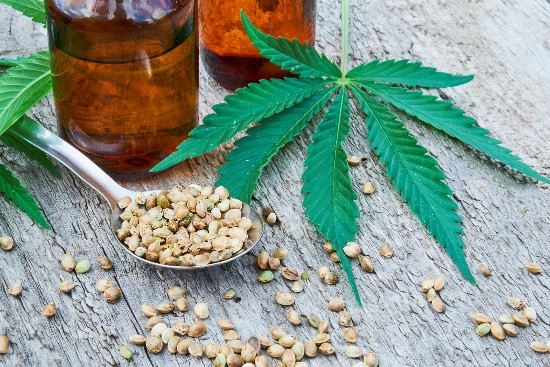
CBD (cannabidiol) is a compound found in the cannabis plant. Unlike THC, it does not produce a “high.”
It’s widely used for:
- Stress and anxiety
- Sleep support
- Pain and inflammation
- General wellness
However, most CBD products in the market are not FDA-approved, and quality varies widely.
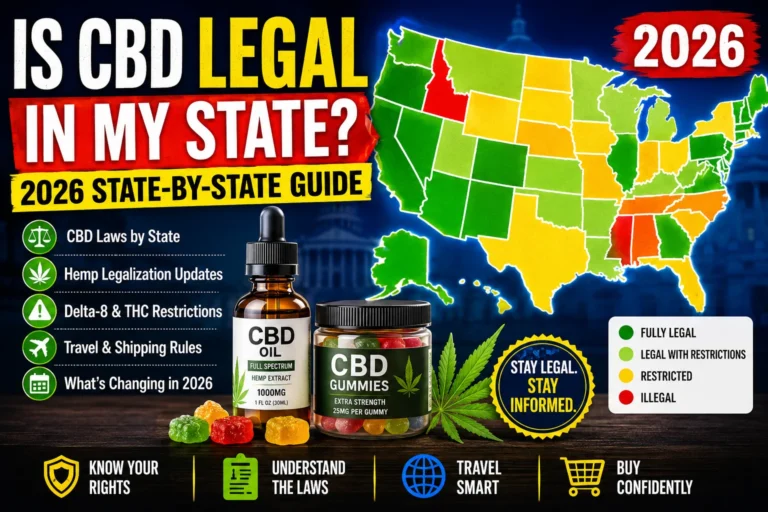
Before buying CBD, it’s important to understand the laws, here’s a quick 2026 guide to CBD legality in all 50 states.
The Big Problem: Fake CBD Products
The CBD market is largely unregulated, which has led to:
- Mislabelled products
- Fake CBD with little or no actual CBD
- Contaminated or unsafe ingredients
- False health claims
Studies and FDA warnings show that many products:
- Don’t contain the CBD amount listed
- Sometimes contain THC unexpectedly
- May include harmful substances
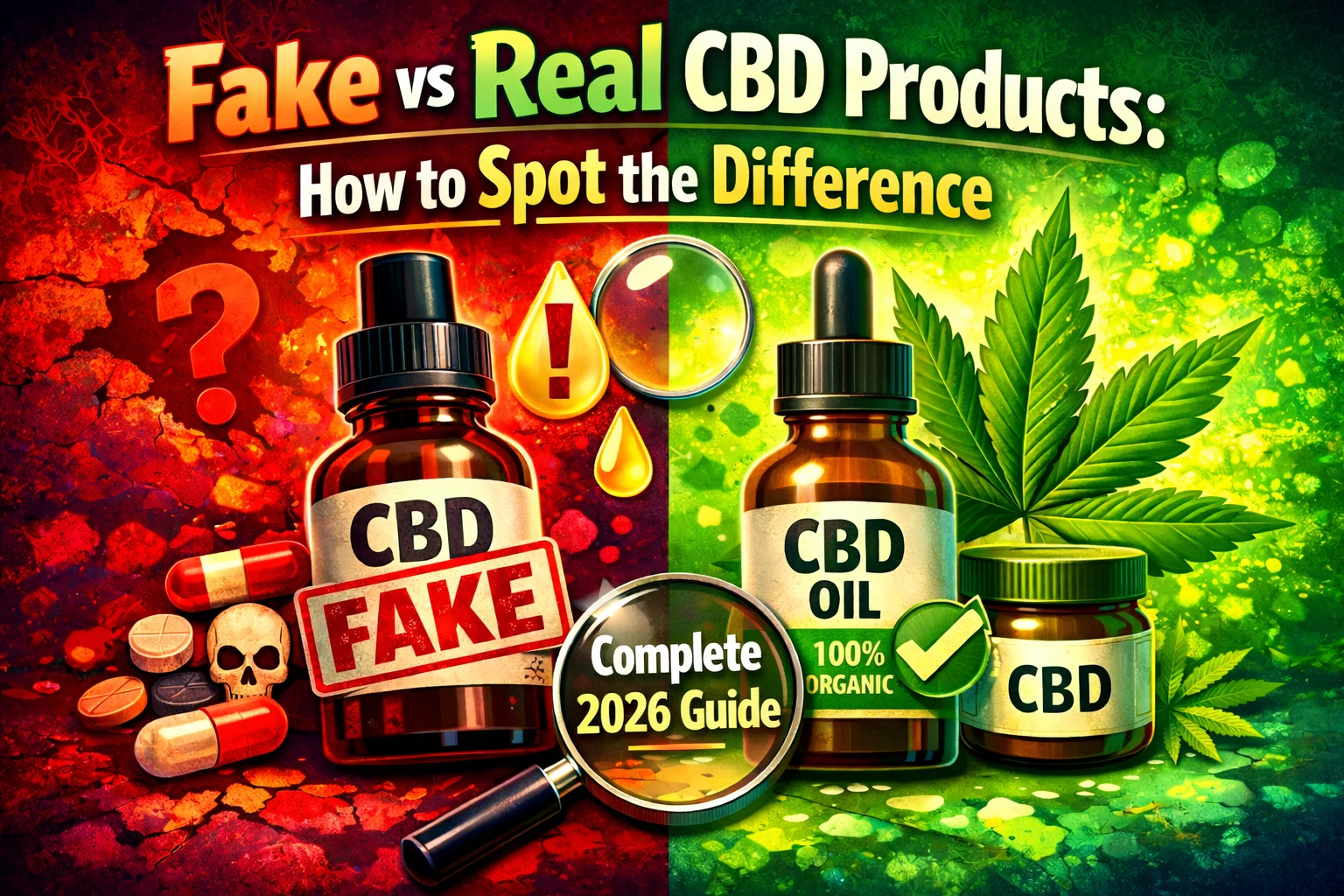
Fake vs Real CBD: Key Differences
1. Lab Testing (Most Important Factor)
Real CBD:
- Has third-party lab reports (COA)
- Shows cannabinoid levels, pesticides, heavy metals
Fake CBD:
- No lab reports
- Fake or unverifiable COA
Always check:
- QR code on packaging
- Lab website authenticity
2. Price & Marketing Tricks
Red flag: Extremely cheap CBD
High-quality CBD requires:
- Hemp cultivation
- Extraction processes
- Testing
If it’s too cheap it’s likely fake.
Also beware of:
- “Miracle cure” claims
- “100% cure for anxiety, cancer, etc.”
The FDA specifically warns against such false claims.
3. Ingredient Transparency
Real CBD:
- Clear ingredient list
- Shows CBD type (full-spectrum, broad-spectrum, isolate)
Fake CBD:
-
Uses vague terms like:
“Hemp extract”
“Natural oil” -
Might actually be hemp seed oil (no CBD)
4. Packaging Quality
Real CBD:
- Dark glass bottles (protect from light)
- Proper labeling and dosage
Fake CBD:
- Clear plastic bottles
- No dosage instructions
Light exposure degrades CBD, so quality brands avoid clear packaging.
5. Source of Hemp
Real CBD:
- U.S. or EU-grown hemp
- Organic or regulated farms
Fake CBD:
- Unknown sourcing
- No traceability
6. Where You Buy Matters
Avoid:
- Gas stations
- Random online sellers
- Suspicious marketplaces
Buy from:
- Official brand websites
- Licensed dispensaries
Types of CBD Products (Complete Breakdown)
CBD is available in multiple forms depending on how you want to use it.

1. CBD Oil / Tinctures
Most popular form
How to use:
- Place drops under tongue (sublingual)
- Hold for 30–60 seconds
Best for:
- Anxiety
- Sleep
- Fast absorption
When to use:
- Morning (focus)
- Night (sleep)
2. CBD Gummies & Edibles
Includes:
- Gummies
- Chocolates
- Cookies
How to use:
-
Eat like normal food
Best for:
- Beginners
- Taste-friendly option
When to use:
-
Anytime (slow release)
FDA warns these can be confused with regular candy, especially by children.
If you’re exploring beginner-friendly options, CBD gummies are one of the easiest ways to get started, offering pre-measured doses and great taste. You can also explore a range of high-quality CBD gummies here to find options that suit your daily routine.
3. CBD Capsules & Softgels
How to use:
-
Swallow like supplements
Best for:
- Consistent dosage
- Daily wellness
When to use:
-
Morning or with meals
4. CBD Vape Products
Includes:
- Vape pens
- CBD e-liquids
How to use:
-
Inhale vapor
Best for:
-
Fastest effects
When to use:
-
Immediate relief (stress, anxiety)
Not recommended for beginners or those with lung issues.
5. CBD Topicals (Creams, Balms)
How to use:
-
Apply directly to skin
Best for:
- Muscle pain
- Joint relief
- Skin conditions
When to use:
- After workouts
- Local pain areas
6. CBD Drinks & Beverages
Includes:
- CBD water
- Coffee
- Energy drinks
How to use:
-
Drink normally
Best for:
- Relaxation
- Social settings
CBD in food/drinks is still controversial in some regions.
7. CBD Skincare & Cosmetics
Includes:
- Face creams
- Serums
- Bath products
Best for:
- Acne
- Skin inflammation
- Anti-aging routines
8. Medical CBD (Prescription-Based)
The FDA has approved one CBD drug for epilepsy treatment.
Used for:
- Severe seizures
- Medical conditions under supervision
Types of CBD Extract (Important for Buyers)
1. Full-Spectrum CBD
- Contains all cannabinoids (including trace THC)
- “Entourage effect”
2. Broad-Spectrum CBD
- No THC
- Still contains other cannabinoids
3. CBD Isolate
- Pure CBD only
- No other compoundsNot sure which type is right for you? Check out this full breakdown of full-spectrum vs broad-spectrum vs CBD isolate.
How to Use CBD Safely
CBD isn’t “risk-free.”
Possible side effects:
- Drowsiness
- Liver issues
- Drug interactions
Safe usage tips:
- Start low (5–10 mg)
- Increase gradually
- Avoid mixing with alcohol
- Consult a doctor if on medication
When Should You Use CBD?
Here’s a simple guide:
| Purpose | Best Form | Timing |
|---|---|---|
| Anxiety | Oil / Vape | Morning / stressful situations |
| Sleep | Oil / Gummies | Night |
| Pain | Topicals / Oil | As needed |
| Wellness | Capsules | Daily |
| Skin | Topicals | Daily routine |
CBD in Food, Lifestyle & Wellness
CBD is now used across industries:
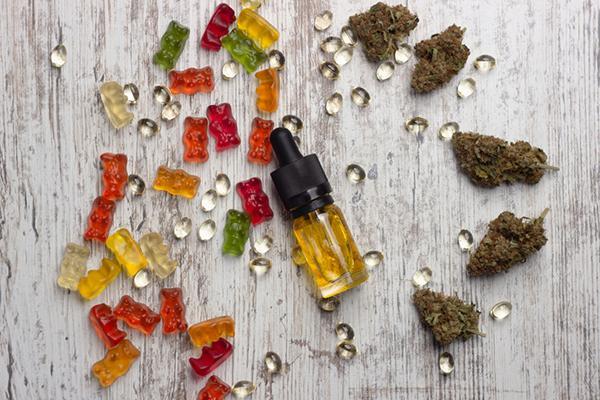
1. Food Industry
- Gummies, snacks, beverages
- Functional foods trend
2. Health & Wellness
- Supplements
- Stress management tools
3. Fitness & Recovery
- Muscle recovery creams
- Post-workout oils
4. Mental Health Lifestyle
- Relaxation routines
- Sleep optimization
However, many of these uses are not fully backed by strong clinical evidence yet, so caution is important.
While CBD products are widely used for wellness, Delta-8 THC gummies are gaining popularity for their mild psychoactive effects. However, the same risks apply fake products, poor labeling, and low-quality ingredients. To explore reliable options, check out this expert-reviewed list of the best Delta-8 gummies available today.
Common Scams in CBD Market
From real user discussions online:
“Less than 30% of CBD products are accurately labeled.”
Common scams include:
- Fake lab reports
- Hemp seed oil sold as CBD
- Inflated dosage claims
- Fake reviews
Final Checklist: How to Spot Real CBD Instantly
Before buying, check:
Third-party lab report (COA)
QR code verification
Clear CBD content (mg)
Trusted brand reputation
Organic hemp source
Proper packaging (dark glass)
Avoid if:
Too cheap
No lab results
Unrealistic health claims
Sold in random stores
Final Thoughts
CBD can be a powerful wellness tool but only if you’re using the real thing.
The truth is:
- The industry is still evolving
- Regulations are limited
- Fake products are common
That means you must be an informed buyer.
Choose quality over hype.
Check labels.
Verify lab reports.
Because when it comes to CBD, the difference between fake and real isn’t just effectiveness , it’s safety.
About the Author