Introduction
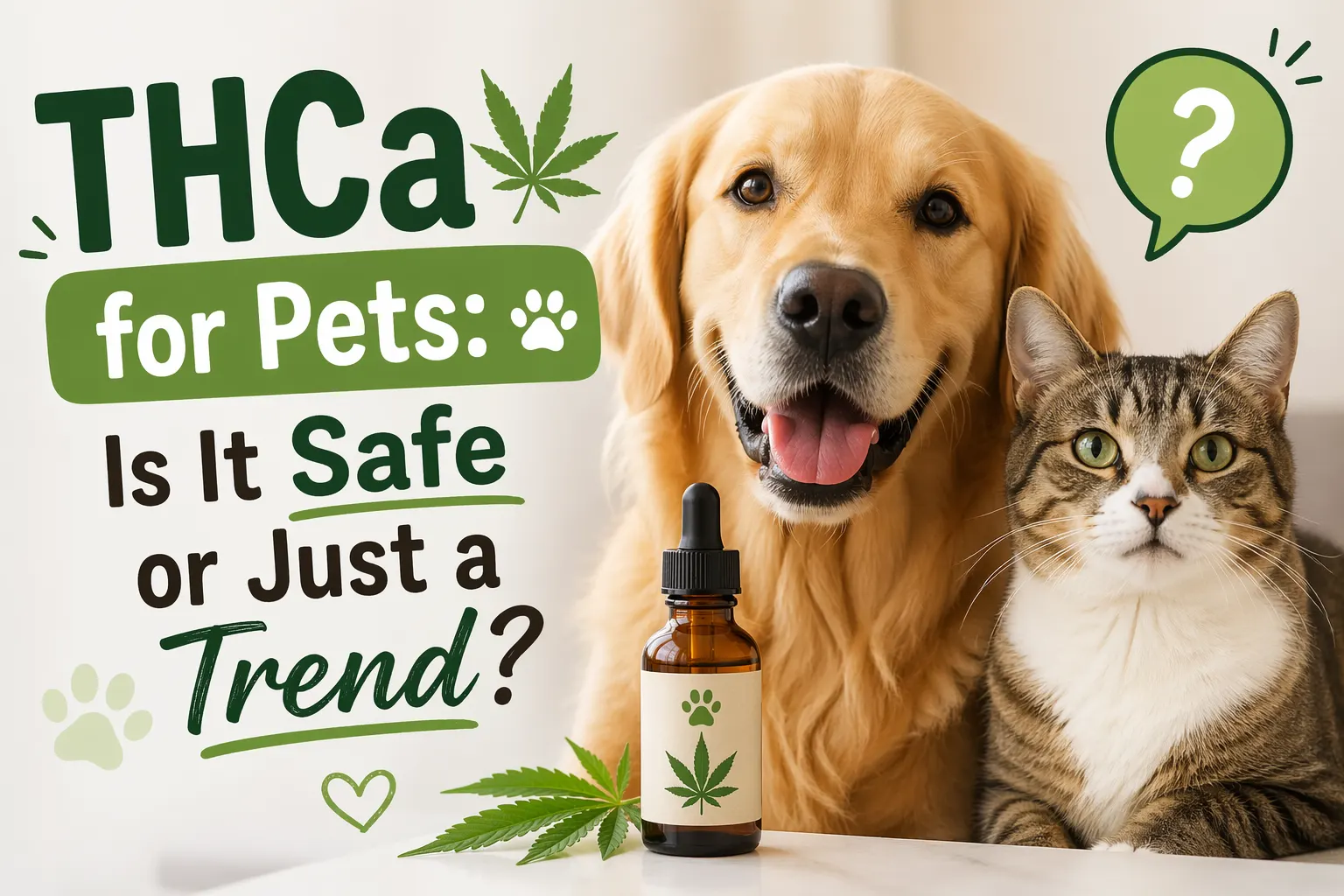
What if the same plant compound that’s reshaping human wellness could quietly improve your pet’s life too… or is that just clever marketing?That question is popping up everywhere from pet owner forums to veterinary conversations. As cannabis-derived products evolve, one compound in particular has entered the spotlight: THCa.

Pet parents are curious. Some are hopeful. Others are skeptical and honestly, they should be.
So let’s dig in. Not with hype. Not with fear. But with clarity.
This guide explores what THCa really is, how it interacts with animals, whether it’s safe, and most importantly how to make smart, responsible decisions for your furry companions.
First Things First: What Is THCa?
THCa (tetrahydrocannabinolic acid) is the raw, non-psychoactive precursor to THC.
In simple terms:
- Fresh cannabis plants contain THCa, not THC
- THCa only becomes THC when exposed to heat (a process called decarboxylation)
- Without heating, THCa does not produce a “high”
That’s a big deal especially for pets.
Because unlike THC (which can be toxic to animals in high amounts), THCa is being explored for potential therapeutic effects without intoxication.
Why Are Pet Owners Talking About THCa?
Let’s be honest—pet wellness has evolved massively in the last few years.
People aren’t just feeding kibble anymore. They’re:
- Choosing organic diets
- Adding supplements
- Exploring natural alternatives
So when cannabinoids like CBD gained popularity, it was only a matter of time before THCa followed.
Interestingly, cannabinoids don’t behave the same in every format. Liquids, edibles, and raw compounds all interact differently with the body
which raises a bigger question: do infused products really deliver results?
That’s exactly what we explored in this guide on CBD drinks and their real effectiveness.
Here’s what’s driving the trend:
1. Desire for natural relief
Pet owners are looking for gentler options for:
- Joint stiffness
- Aging-related discomfort
- Anxiety
2. CBD familiarity
CBD paved the way. Now people are asking:
If CBD works, what about other cannabinoids like THCa?
3. Early anecdotal success
Some pet parents report improvements in:
- Mobility
- Calmness
- Appetite
But and this is important anecdotes are not scientific proof.
How THCa Interacts With Your Pet’s Body
Like humans, animals have an endocannabinoid system (ECS).
This system helps regulate:
- Mood
- Pain
- Inflammation
- Appetite
THCa is believed to interact with this system but differently than THC.
Key difference:
- THC binds strongly to CB1 receptors (causing intoxication)
- THCa does not bind in the same way, meaning:
-
No “high”
-
Potentially milder, indirect effects
-
Some early research suggests THCa may have:
- Anti-inflammatory properties
- Neuroprotective potential
- Anti-nausea effects
But here’s the reality check:
Most studies are still in early stages and rarely focused on pets specifically.
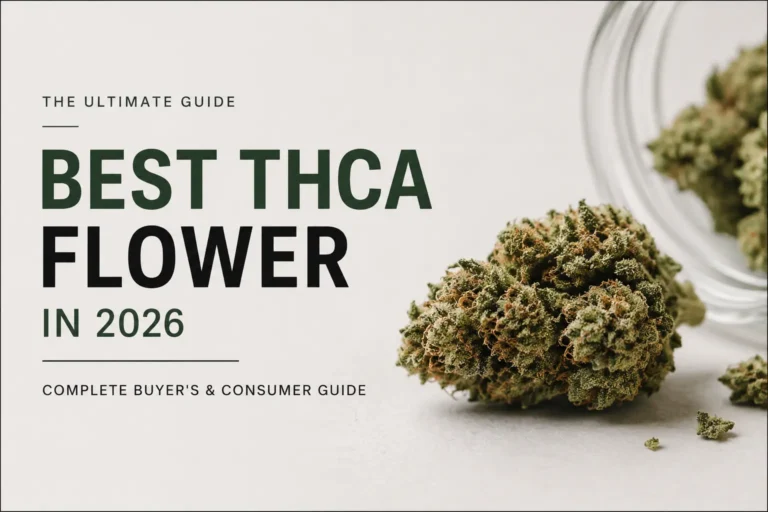
If you’re curious about how THCa differs across strains, potency levels, and quality standards, it’s worth exploring how experts evaluate the top THCa flower products in 2026. It gives useful insight into sourcing, lab testing, and overall product safety.
Is THCa Safe for Pets?
Now we get to the heart of it.
The honest answer:
We don’t fully know yet.
There is no large-scale, long-term research confirming THCa’s safety in pets.
But we can break things down based on what we do know.
What Looks Promising
- Non-psychoactive in raw form
- Less risk than THC (if not heated)
- Potential anti-inflammatory effects
- Growing interest in veterinary research
What Requires Caution
- Lack of standardized dosing
- Limited clinical trials in animals
- Product quality varies widely
- Risk of accidental THC exposure if heated or improperly processed
What to Avoid Completely
- Giving pets THC products
- Guessing dosages
- Using human-grade cannabis products without vet guidance
THCa vs CBD for Pets: What’s the Difference?
Most pet owners are already familiar with CBD. So how does THCa compare?
| Feature | THCa | CBD |
|---|---|---|
| Psychoactive | No | No |
| Research level | Limited | More developed |
| Popularity | Emerging | Established |
| Common use | Experimental wellness | Anxiety, pain, inflammation |
| Veterinary familiarity | Low | Moderate |
Translation:
CBD is still the safer, better-understood option.
THCa is the newcomer with potential—but also uncertainty.
Curious how THCa stacks up against CBD in a broader sense? Exploring both can give you a clearer picture before choosing what’s best for your pet.
Potential Benefits (Based on Early Insights)
Let’s explore what’s generating buzz—without overselling it.
1. Joint Support & Mobility
Older pets often struggle with stiffness.
THCa’s anti-inflammatory potential could:
- Support joint comfort
- Improve movement
But again, evidence is still developing.
2. Calming Effects
Some pet owners report reduced anxiety.
This may help with:
- Separation stress
- Loud noises (like fireworks)
Though CBD remains more reliable for this use.
3. Appetite Support
THCa may play a role in:
-
Encouraging eating in picky or ill pets
This is still being studied.
The Big Problem: Product Quality
Here’s where things get tricky.
Not all THCa products are created equal—and this matters even more for pets.
Look for:
- Third-party lab testing
- THC-free verification
- Clear labeling
- Pet-specific formulations
Red flags:
- No lab results
- Vague ingredient lists
- Extremely cheap pricing
If you wouldn’t trust it for yourself, don’t give it to your pet.
If you’re still getting familiar with how THCa works in its raw form compared to heated cannabis, it’s worth exploring how different THCa products are sourced and processed. This breakdown of the best THCa flower options in 2026 gives a clear look at quality, potency, and what separates premium products from the rest.
What Do Veterinarians Say?
Veterinary opinions are evolving—but cautious.

Most vets agree on three things:
1. More research is needed
THCa is not yet well understood in animals.
2. CBD is currently safer
It has more studies and usage history.
3. Always consult a professional
Especially if your pet:
- Takes medication
- Has a chronic condition
Real Talk: Is This a Trend or the Future?
Let’s be real—it’s both.
It’s a trend because:
- It’s new
- It’s being heavily marketed
- Awareness is rising quickly
But it could be the future because:
- Cannabinoid science is expanding
- Pet wellness is evolving
- Early signs show potential
The key is separating curiosity from blind trust.
How to Decide If THCa Is Right for Your Pet
Ask yourself:
- Is my pet dealing with issues not fully managed by current options?
- Have I already explored safer alternatives like CBD?
- Am I willing to consult a vet and proceed cautiously?
If the answer is yes you might explore it responsibly.
If not it’s okay to wait.
Smart Usage Tips (If You Choose to Try It)
- Start with extremely low doses
- Monitor behavior closely
- Use only pet-safe, lab-tested products
- Never heat the product (to avoid THC conversion)
- Keep your vet informed
The Emotional Side of This Trend
Let’s not ignore what’s really driving this.
Pet owners aren’t chasing trends for fun.
They’re:
- Trying to ease pain
- Improve quality of life
- Extend happy, healthy years
That’s powerful and completely understandable.
But that’s also why careful decision-making matters more than hype.
The Bottom Line
THCa for pets sits in a fascinating space:
- Promising enough to explore
- Unproven enough to approach with caution
It’s not a miracle solution.
It’s not a scam either.
It’s simply… early.
Final Thoughts: A Balanced Perspective
If you’re hoping THCa could help your pet you’re not alone.
And you’re not wrong to be curious.
But the smartest approach isn’t jumping in blindly.
It’s:
- Staying informed
- Asking questions
- Choosing quality
- Moving slowly
Because at the end of the day, your pet doesn’t need trends.
They need care, safety, and your best judgment.
About the Author