Introduction
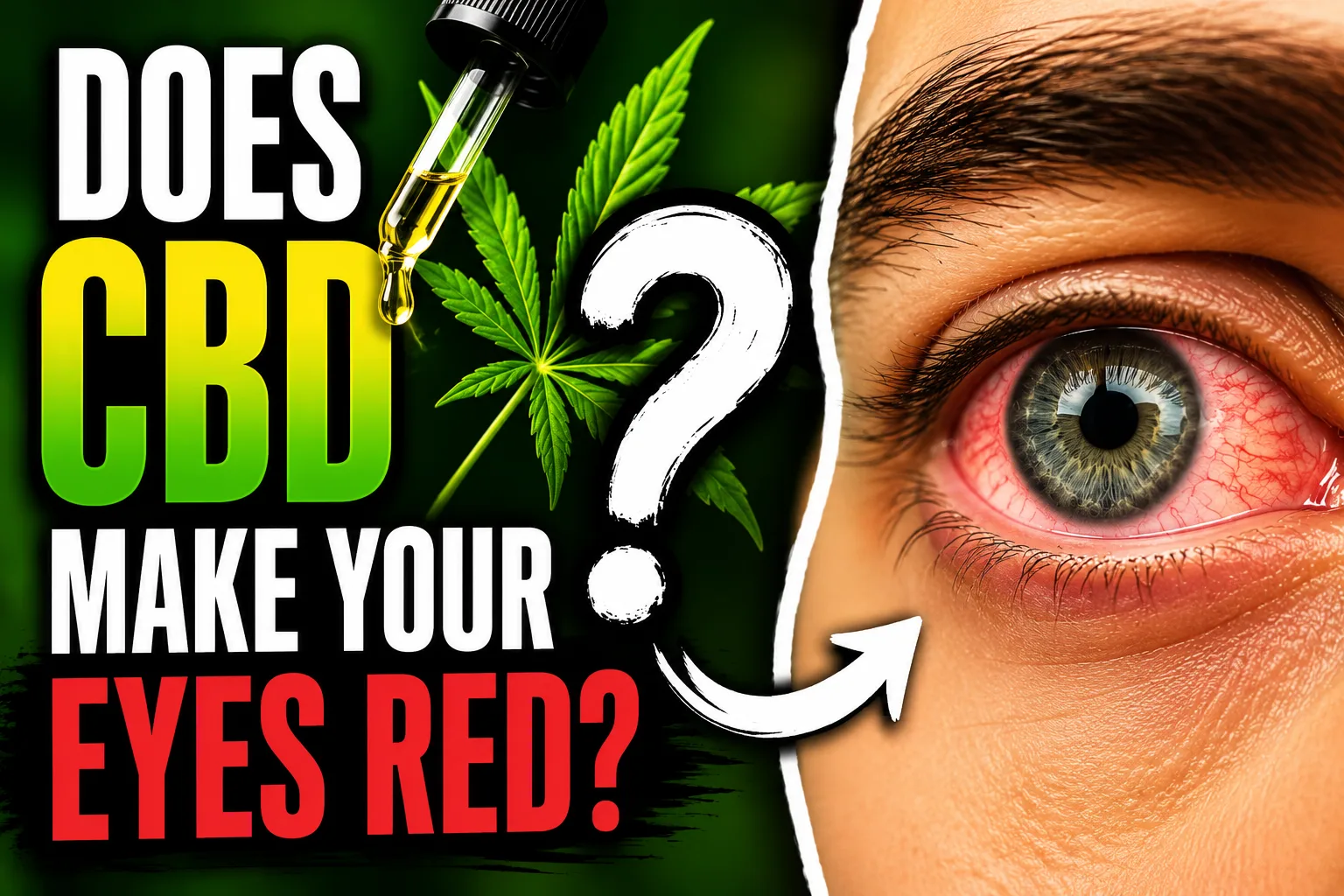
You take CBD expecting calm, focus, maybe better sleep…
Then you look in the mirror and think:
“Wait… why do my eyes look a little red?”
Now you’re confused.
Isn’t CBD supposed to be non-psychoactive?
Isn’t red-eye a THC thing?
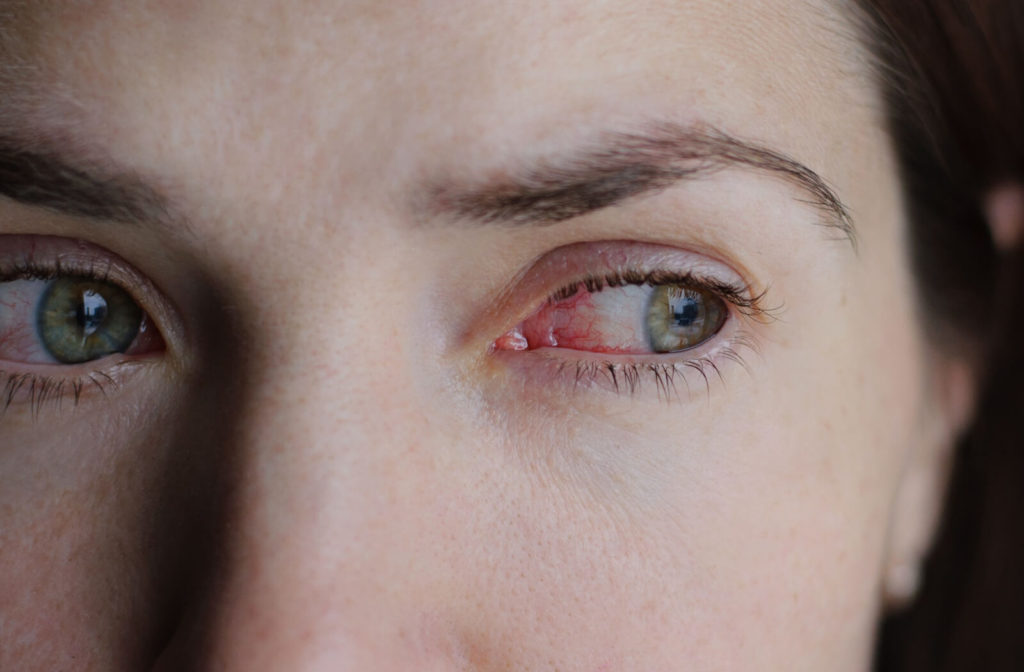
Here’s the truth most blogs won’t explain clearly:
CBD itself rarely causes red eyes but your product might.
And that difference?
It matters more than you think.
Let’s break it down properly no myths, no vague answers, just real clarity.
Quick Answer (Straight to the Point)
- Pure CBD (isolate) → Does NOT cause red eyes
- Broad-spectrum CBD (THC-free) → Very unlikely
- Full-spectrum CBD (contains THC) → Can cause red eyes (in some users)
Translation:
If your eyes are getting red, CBD probably isn’t the real reason.
Keep reading, because those exceptions are exactly what most blogs fail to explain.
Why Do Eyes Turn Red After Cannabis Use?
To understand CBD, we need to understand what actually causes red eyes in the first place.
The Science (Simplified)
Red eyes happen due to vasodilation when blood vessels expand.
When this happens:
- Blood flow increases
- Tiny vessels in your eyes become visible
- Your eyes appear red or “bloodshot”
Who Causes This?
THC (tetrahydrocannabinol)
THC:
- Lowers blood pressure
- Expands blood vessels
- Leads to that classic “stoned red-eye” look
Where CBD Fits Into This
CBD (cannabidiol) works very differently in your body.
It:
- Does NOT produce a high
- Has minimal impact on blood vessel dilation
- Interacts more with calming and regulatory pathways
That’s why CBD alone is not known to cause red eyes.
Then Why Do Some People Still Experience Red Eyes?
This is where things get interesting and where most people get misled.
1. Hidden THC in Your CBD Product
This is the biggest reason.
Many CBD products are not 100% pure.
Even legal products may contain:
- Up to 0.3% THC (in the U.S.)
- Trace cannabinoids that still affect your body
For sensitive users, even small THC amounts can:
- Trigger vasodilation
- Cause mild redness
2. Full-Spectrum CBD: The “Entourage Effect”
Full-spectrum CBD includes:
- CBD
- Minor cannabinoids
- Terpenes
- Trace THC
This combination is often marketed as stronger due to the “entourage effect.”
But here’s the trade-off:
You also increase the chance of:
- Red eyes
- Mild psychoactive effects (in some people)
3. High Doses = Higher Risk
Let’s say your product has very low THC.
Now imagine:
- You take a high dose daily
- THC accumulates slightly in your system
Result?
You might notice effects like:
- Slight eye redness
- Dryness
- Subtle body relaxation
4. Your Body Chemistry Is Unique
Not everyone reacts the same way to cannabinoids.
Some people are:
- Highly sensitive to THC
- Prone to eye dryness
- More reactive to vasodilation
So even tiny exposures can show visible effects.
5. Dry Eyes vs Red Eyes (Often Confused)
Here’s something most blogs don’t explain:
Dry eyes can look red but they’re not the same thing.
CBD may:
- Slightly reduce tear production (in some users)
- Lead to dryness
Dryness can:
- Irritate the eye
- Cause redness-like appearance
So what you think is “red-eye from CBD”…
might actually be eye dryness.
If your CBD is causing unusual side effects like redness, dryness, or headaches, there’s a chance you’re dealing with a counterfeit product instead of genuine hemp-derived CBD. That’s exactly why this complete guide to fake vs real CBD products can save you from wasting money.
Does CBD Affect Eye Pressure?
This topic surprises a lot of people.
THC:
- Temporarily reduces intraocular pressure (IOP)
- Studied for glaucoma
CBD:
- Mixed results in studies
- May increase or have no effect on eye pressure
This further proves:
CBD behaves very differently from THC
and doesn’t cause typical cannabis side effects like red eyes.
Real User Experiences (What People Actually Report)
Across forums, reviews, and user discussions:
Most Common Feedback:
- “CBD doesn’t affect my eyes at all”
- “Only full-spectrum gives me slight redness”
- “I feel dryness, not redness”
Rare Cases:
- Mild redness with high doses
- Red eyes due to poor-quality products
Pattern is clear:
Red eyes are NOT a common CBD side effect.
Types of CBD Products & Their Impact on Red Eyes
Not all CBD products behave the same.

CBD Oil / Tinctures
- Controlled dosage
- Lower risk (if THC-free)
CBD Gummies / Edibles
- Slower digestion
- Effects last longer
- Slightly higher chance of noticeable effects
CBD Vapes
- Fast absorption
- Risk depends on purity
- Low-quality carts = higher irritation risk
CBD Topicals
- Do NOT enter bloodstream
- No chance of red eyes
Before purchasing any CBD or hemp-derived product, it’s smart to understand the current regulations surrounding cannabinoids. Our breakdown of Delta-8 THC legality in 2026 and where users can still buy safely explains what many shoppers overlook.
How to Avoid Red Eyes Completely
If you want zero risk, follow this:
1. Choose THC-Free CBD
Look for:
- “CBD Isolate”
- “Broad-Spectrum”
- “THC-Free” labels
2. Always Check Lab Reports (COA)
A legit brand will show:
- THC percentage
- Cannabinoid breakdown
- Third-party testing
No lab report = Red flag
If you want to avoid surprise side effects, this guide on reading a CBD COA report step-by-step
can help you identify whether your product is truly THC-free.
3. Start Low, Then Increase
Avoid jumping into high doses.
Start with:
- Small amounts
- Gradually increase
This helps you:
- Track your body’s response
- Avoid unexpected side effects
4. Stay Hydrated
Hydration matters more than you think.
It helps:
- Prevent dryness
- Reduce irritation
5. Use Eye Drops If Needed
Simple fix:
- Lubricating drops
They:
- Reduce redness
- Improve comfort
Common Myths About CBD and Red Eyes
Let’s bust some popular misconceptions:
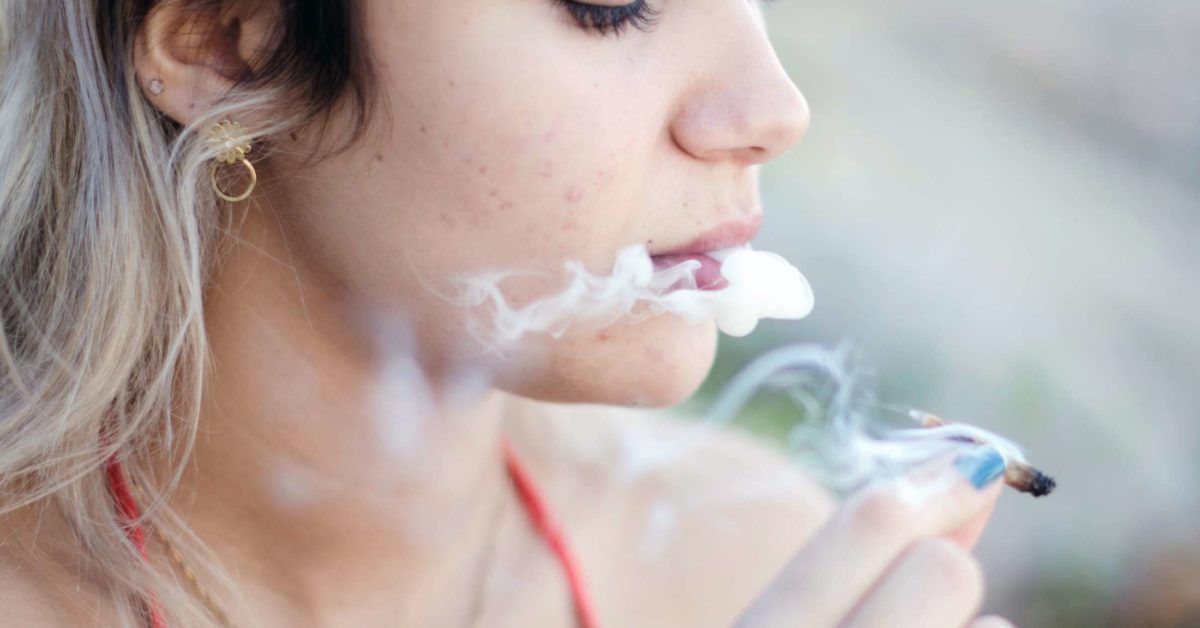
Myth 1: “All cannabis products cause red eyes”
False
Only THC is strongly responsible
Myth 2: “CBD is just weak THC”
Completely wrong
CBD and THC act very differently
Myth 3: “Red eyes mean the CBD is working”
No
It usually means THC is present
Myth 4: “If it’s legal, it’s THC-free”
Not always
Legal products can still contain trace THC
When Should You Be Concerned?
Red eyes occasionally? Not a big deal.
But watch out for:
- Persistent redness
- Burning sensation
- Blurry vision
- Feeling “high” unexpectedly
If this happens:
- Stop using the product
- Switch to THC-free CBD
- Consider consulting a professional
Is Red Eye From CBD Dangerous?
In most cases:
No, it’s harmless and temporary.
But it can signal:
- Low-quality products
- Mislabeling
- THC contamination
So while it’s not dangerous…
it’s definitely something you shouldn’t ignore.
CBD vs THC: Final Comparison
| Effect | CBD | THC |
|---|---|---|
| Red eyes | Rare | Common |
| Psychoactive | No | Yes |
| Vasodilation | Minimal | Strong |
| Dry eyes | Possible | Common |
The Bigger Picture: Why This Question Matters
This isn’t just about eye redness.
It’s about:
- Product transparency
- Consumer awareness
- Trust in the CBD industry
Because here’s the truth:
Many people think they’re using CBD…
when they’re actually using mixed cannabinoid products.
Final Verdict
Let’s settle it once and for all:
CBD alone does NOT make your eyes red.
If it happens, it’s usually due to:
- Trace THC
- High doses
- Product quality issues
- Individual sensitivity
Smart User Takeaway
If you want the benefits of CBD without any red-eye risk:
- Choose CBD isolate or broad-spectrum
- Verify lab reports
- Avoid cheap, untested brands
- Monitor your dosage
FAQ Section
Does CBD oil make your eyes red?
No, unless it contains THC or impurities.
Can CBD cause bloodshot eyes?
Very rarely. Usually linked to THC presence.
Why do my eyes feel weird after CBD?
It could be dryness, not redness.
Is CBD safer than THC for eye effects?
Yes, CBD has far fewer visual side effects.
One Last Insight (For Smart Readers)
Next time someone says:
“CBD gave me red eyes…”
You’ll know what’s really going on.
It’s not the CBD.
It’s what’s hiding inside it.
About the Author