Introduction
THC oil has become one of the most talked-about cannabis products in recent years. Some people use it to relax after work, while others turn to it for sleep support, stress relief, appetite stimulation, or chronic discomfort. But one thing many beginners quickly realize is this:
Using THC oil properly is not as simple as taking a random dose and hoping for the best.
Too little may do nothing. Too much can leave you uncomfortable, anxious, sleepy, or overwhelmed for hours. The method you choose matters. Timing matters. Your body chemistry matters. Even the type of THC oil you buy can completely change your experience.
That’s why understanding how to use THC oil correctly is so important.
In this detailed guide, you’ll learn:
- What THC oil actually is
- Different types of THC oils
- How THC oil works in the body
- The safest way to start using THC oil
- Proper dosage guidelines for beginners
- How to avoid common mistakes
- Best methods for vaping, tinctures, edibles, and capsules
- How long THC oil takes to work
- Side effects and safety tips
- How to choose quality THC oil products
- Storage and usage best practices
- Frequently asked questions
Whether you are completely new to THC or looking to improve your experience, this guide will help you use THC oil safely, responsibly, and effectively.
What Is THC Oil?
THC oil is a cannabis extract that contains tetrahydrocannabinol (THC), the primary psychoactive compound in cannabis responsible for the “high” feeling.
The oil is typically extracted from cannabis flowers and then blended into a concentrated liquid form that can be:
- Vaped
- Taken under the tongue
- Added to food
- Swallowed in capsules
- Used in edibles
Some THC oils are highly potent, while others contain balanced levels of CBD and THC.
The strength, effects, and onset time vary depending on the product type and how you use it.
Understanding How THC Oil Works
Before learning how to use THC oil properly, it helps to understand what happens inside your body after consumption.
THC interacts with the body’s endocannabinoid system (ECS), which helps regulate:
- Mood
- Sleep
- Appetite
- Stress response
- Pain perception
- Memory
- Relaxation
When THC enters the bloodstream, it binds primarily to CB1 receptors in the brain and nervous system. This interaction creates effects such as:
- Euphoria
- Relaxation
- Altered perception
- Increased appetite
- Sleepiness
- Mental calmness
The intensity depends on:
- Dosage
- Tolerance
- Method of use
- Metabolism
- Body weight
- Product potency
This is why two people can take the same amount and have completely different experiences.
Types of THC Oil
Not all THC oils are the same. Choosing the right type is one of the biggest parts of using THC oil properly.
1. THC Tinctures
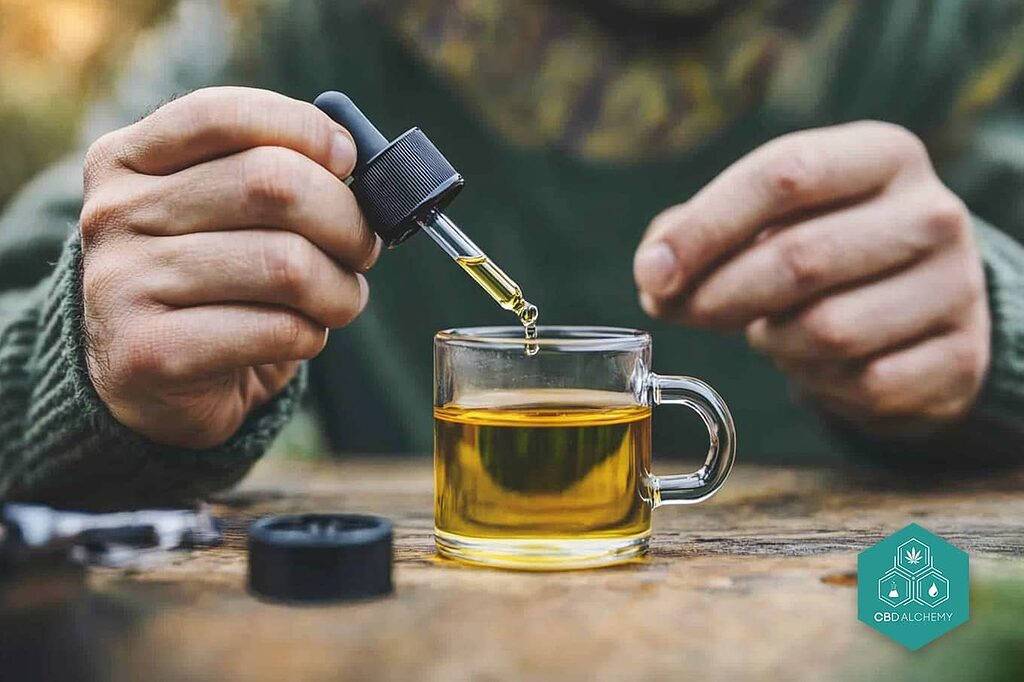
These are liquid cannabis extracts designed to be taken under the tongue.
Benefits:
- Easy to measure
- Beginner-friendly
- Faster absorption than edibles
- Controlled dosing
Best for:
- Beginners
- Sleep support
- Daily controlled use
2. THC Vape Oil
THC vape cartridges are heated and inhaled using a vape pen.
Benefits:
- Fast effects
- Stronger immediate impact
- Easy to control small puffs
Best for:
- Quick relief
- Experienced users
- Short-term effects
3. THC Capsules
Capsules contain pre-measured THC oil doses.
Benefits:
- Convenient
- No taste
- Consistent dosing
Best for:
- Medical-style routines
- Accurate daily intake
4. THC Edible Oils
Some THC oils are infused into foods or drinks.
Benefits:
- Long-lasting effects
- Strong body relaxation
Drawbacks:
- Slower onset
- Easy to overconsume
5. Full-Spectrum THC Oil
Contains multiple cannabis compounds including:
- THC
- CBD
- Terpenes
- Minor cannabinoids
Many users believe these compounds work together through the “entourage effect.”
How to Use THC Oil Properly for Beginners
The number one rule with THC oil is:
Start low and go slow.
This advice exists for a reason.
Many first-time users take too much because they don’t feel effects immediately. Then the THC suddenly hits all at once, leading to:
- Anxiety
- Dizziness
- Panic
- Nausea
- Extreme drowsiness
A proper beginner approach avoids this completely.
Step-by-Step Beginner Guide
Step 1: Choose the Right Product
For beginners, tinctures are usually the safest and easiest option.
Avoid ultra-high potency products at first.
Look for:
- Low-dose THC oils
- Balanced THC:CBD ratios
- Lab-tested products
Step 2: Read the THC Concentration
Always check:
- Total THC content
- THC per serving
- Serving size
Example:
- Bottle contains 300mg THC
- 30ml bottle
- Equals 10mg THC per ml
Understanding potency prevents accidental overuse.
Step 3: Start With a Low Dose
For most beginners:
Recommended starting dose:
- 1mg to 2.5mg THC
Some sensitive users may even prefer:
- 0.5mg to 1mg
This might sound tiny, but THC is powerful.
Step 4: Wait Before Taking More
This is where many people make mistakes.
Wait times:
- Vaping: wait 15–30 minutes
- Tinctures: wait 1–2 hours
- Edibles/capsules: wait 2–3 hours
Never assume it “isn’t working” too early.
Best Ways to Use THC Oil
1. Sublingual Method (Under the Tongue)
This is one of the best methods for proper THC oil usage.
How to do it:
- Shake the bottle
- Use the dropper
- Place oil under your tongue
- Hold for 30–60 seconds
- Swallow
Why this works well:
- Faster absorption
- Better dosage control
- More predictable effects
Effects begin:
- Usually within 15–45 minutes
Using THC Vape Oil Properly
Vaping THC oil gives fast effects because THC enters the bloodstream through the lungs.
Proper vaping steps:
- Start with one small puff
- Inhale gently
- Wait 10–15 minutes
- Assess effects before another puff
Common beginner mistake:
Taking repeated hits too quickly.
Because vaping works fast, overconsumption can happen within minutes.
Using THC Oil in Food or Drinks
Some users add THC oil to:
- Coffee
- Tea
- Smoothies
- Snacks
However, edible THC behaves differently inside the body.
When swallowed, THC converts into:
11-hydroxy-THC
This form can feel:
- Stronger
- More sedating
- Longer-lasting
Effects may last:
- 4–8 hours
- Sometimes longer
That’s why edible THC requires extra caution.
THC Oil Dosage Guide
Proper dosing is the foundation of safe THC use.
Beginner Dose
- 1mg–2.5mg THC
Mild Experience
- 3mg–5mg THC
Moderate Experience
- 5mg–10mg THC
Strong Experience
- 10mg–20mg THC
Very High Dose
- 20mg+ THC
Most new users should avoid jumping above 5mg initially.
Factors That Affect THC Oil Dosage
Everyone reacts differently because of:
Body Weight
Larger individuals may tolerate slightly more THC.
Tolerance
Regular cannabis users often need higher doses.
Metabolism
Fast metabolism can change onset speed.
Food Intake
THC taken on an empty stomach often feels stronger.
CBD Content
CBD may soften THC intensity for some users.
How Long Does THC Oil Take to Work?
Vaping
- Starts: 1–5 minutes
- Peak: 15–30 minutes
- Duration: 1–3 hours
Sublingual Tincture
- Starts: 15–45 minutes
- Peak: 1–2 hours
- Duration: 4–6 hours
Edibles/Capsules
- Starts: 30–120 minutes
- Peak: 2–4 hours
- Duration: 6–8 hours
Common Mistakes When Using THC Oil
1. Taking Too Much Too Fast
This is the biggest mistake beginners make.
Always wait long enough before increasing dosage.
2. Ignoring Product Potency
Some THC oils are extremely concentrated.
One dropper may contain:
- 25mg
- 50mg
- Even 100mg THC
Always check labels carefully.
3. Mixing THC With Alcohol
Combining alcohol and THC may intensify:
- Dizziness
- Nausea
- Impairment
Beginners should avoid mixing substances.
4. Using THC in Stressful Environments
Your surroundings influence your experience.
A calm, comfortable setting often leads to a better outcome.
5. Using Too Frequently
Frequent heavy THC use can raise tolerance quickly.
This may lead users to consume increasingly larger doses.
Tips for a Better THC Oil Experience

Stay Hydrated
THC commonly causes dry mouth.
Drink water before and during use.
Eat Lightly Before Use
A small meal may help prevent discomfort.
Use THC at the Right Time
Avoid first-time use before:
- Work
- Driving
- Important responsibilities
Track Your Dosage
Keeping notes helps identify:
- Ideal dosage
- Best timing
- Preferred products
How to Choose Quality THC Oil
Not all THC products are safe or trustworthy.
Look for Third-Party Lab Testing
Lab reports should confirm:
- THC levels
- CBD levels
- No pesticides
- No heavy metals
- No contaminants
Check the Extraction Method
High-quality extraction methods include:
- CO2 extraction
- Ethanol extraction
Avoid suspiciously cheap products with unclear sourcing.
Curious about newer THC compounds beyond traditional oils? You might want to read our breakdown on Is Delta-11 Real? What You Need to Know About Delta-11 THC to understand how this emerging cannabinoid compares to regular THC experiences.
Examine Ingredients
Quality THC oil should contain:
- Cannabis extract
- Carrier oil
- Natural terpenes
Avoid products with unnecessary additives.
Full-Spectrum vs Broad-Spectrum vs THC Isolate
Full-Spectrum
Contains multiple cannabinoids and terpenes.
Broad-Spectrum
Contains cannabinoids but little or no THC.
THC Isolate
Pure THC only.
Many users prefer full-spectrum products for balanced effects.
THC Oil for Sleep
Many people use THC oil at night for relaxation.
Best practices:
- Start with low doses
- Use 1–2 hours before bedtime
- Avoid excessive amounts
High doses may actually disrupt sleep quality in some users.
THC Oil for Relaxation and Stress
Low-to-moderate doses may help some users feel:
- Calmer
- More relaxed
- Mentally slower
However, high doses can sometimes increase anxiety instead.
This is another reason controlled dosing matters.
For beginners exploring THC products, learning proper dosage and consumption methods is essential for a safe experience. Some users who prefer edible alternatives instead of oils also explore options like Delta 8 gummies because they offer pre-measured servings and longer-lasting effects. Understanding the differences between THC oils and edibles can help you choose the option that best fits your comfort level and lifestyle.
Can You Build Tolerance to THC Oil?
Yes.
Frequent THC use may reduce sensitivity over time.
Signs of tolerance:
- Needing higher doses
- Shorter effects
- Reduced intensity
Some users take “tolerance breaks” to reset sensitivity.
THC Oil Side Effects
Even when used properly, THC oil may cause side effects.
Common side effects:
- Dry mouth
- Red eyes
- Increased appetite
- Drowsiness
- Slower reaction time
- Short-term memory issues
Possible Stronger Side Effects
Higher doses can cause:
- Anxiety
- Rapid heartbeat
- Confusion
- Paranoia
- Dizziness
These effects usually fade with time but can feel intense.
What to Do If You Take Too Much THC Oil
Overconsumption can feel scary, but it is usually temporary.
Stay calm
Remind yourself the feeling will pass.
Hydrate
Sip water slowly.
Rest
Sit or lie somewhere comfortable.
Avoid panic
THC effects naturally fade over time.
Consider CBD
Some people find CBD may reduce THC intensity.
Can You Drive After Using THC Oil?
No.
THC affects:
- Coordination
- Reaction time
- Focus
Never drive or operate machinery while impaired.
Proper THC Oil Storage
To keep THC oil fresh:
Store in:
- Cool places
- Dark environments
- Airtight containers
Avoid:
- Heat
- Sunlight
- Excess moisture
Improper storage can degrade cannabinoids and terpenes.
Is THC Oil Legal?
THC laws vary by:
- Country
- State
- Region
Always check local regulations before purchasing or using THC products.
How Often Should You Use THC Oil?
This depends on your goals and tolerance.
Some people use THC oil:
- Occasionally
- Nightly
- Weekly
- Medically under supervision
Moderation is generally recommended for beginners.
THC Oil vs CBD Oil
People often confuse THC oil and CBD oil.
THC Oil
- Psychoactive
- Causes a high
- Stronger mental effects
CBD Oil
- Non-intoxicating
- More subtle relaxation
- No strong euphoric effect
Some products combine both cannabinoids.
Best Time to Take THC Oil
Evening Use
Best for:
- Sleep
- Relaxation
- Stress relief
Daytime Use
Requires lower doses to avoid impairment.
Beginners often prefer nighttime use first.
Signs You Found the Right THC Dose
Your ideal dose should help you feel:
- Relaxed
- Comfortable
- Functional
- Calm
Without:
- Overwhelming intoxication
- Anxiety
- Heavy sedation
The goal is balance, not excess.
Advanced THC Oil Tips
Microdosing
Microdosing means taking very small amounts of THC.
Typical microdose:
- 1mg–2mg THC
Some users report:
- Improved mood
- Better focus
- Reduced stress
Without strong intoxication.
Combining THC With CBD
CBD may help smooth out THC’s stronger psychoactive effects.
Balanced ratios like:
- 1:1 THC:CBD
Are often beginner-friendly.
Understanding Cannabis Terpenes
Terpenes influence:
- Aroma
- Flavor
- Effects
Common terpenes include:
- Myrcene
- Limonene
- Caryophyllene
- Pinene
Different terpene profiles may create different experiences.
Reading THC Oil Labels Correctly
Always check:
- Total cannabinoids
- Serving size
- Expiration date
- Lab testing information
- Ingredients
Never use products with unclear labeling.
THC Oil and Food Pairing
Eating before THC may:
- Slow absorption
- Reduce intensity spikes
Fatty foods may increase cannabinoid absorption because THC is fat-soluble.
Who Should Avoid THC Oil?
THC may not be suitable for everyone.
People who should use extra caution include:
- Pregnant individuals
- Those sensitive to anxiety
- People with certain medical conditions
- Anyone taking medications that may interact with cannabis
When in doubt, speak with a healthcare professional familiar with cannabis use.
Frequently Asked Questions
How much THC oil should a beginner take?
Most beginners should start with:
- 1mg–2.5mg THC
Then slowly increase if needed.
How long do THC oil effects last?
This depends on the method used:
- Vaping: 1–3 hours
- Tinctures: 4–6 hours
- Edibles: 6–8+ hours
Can THC oil help with sleep?
Some users report improved relaxation and sleep support, especially at low-to-moderate doses.
Is THC oil stronger than smoking cannabis?
It can be.
Concentrated THC oils often contain much higher cannabinoid levels than traditional cannabis flower.
Can you overdose on THC oil?
Fatal overdose is extremely unlikely, but taking too much can cause severe discomfort and temporary psychological distress.
Final Thoughts
Learning how to use THC oil properly can completely change your cannabis experience.
The difference between a smooth, enjoyable experience and an overwhelming one often comes down to:
- Proper dosing
- Patience
- Product quality
- Responsible use
If you are new to THC oil, remember these key rules:
- Start low
- Go slow
- Read product labels carefully
- Wait before redosing
- Choose quality-tested products
THC oil can feel very different depending on how it’s used, so taking time to understand your body and preferences is essential.
The best THC experience usually isn’t about taking the strongest dose possible. It’s about finding the amount that works comfortably for you while staying safe, aware, and in control.
About the Author