Introduction
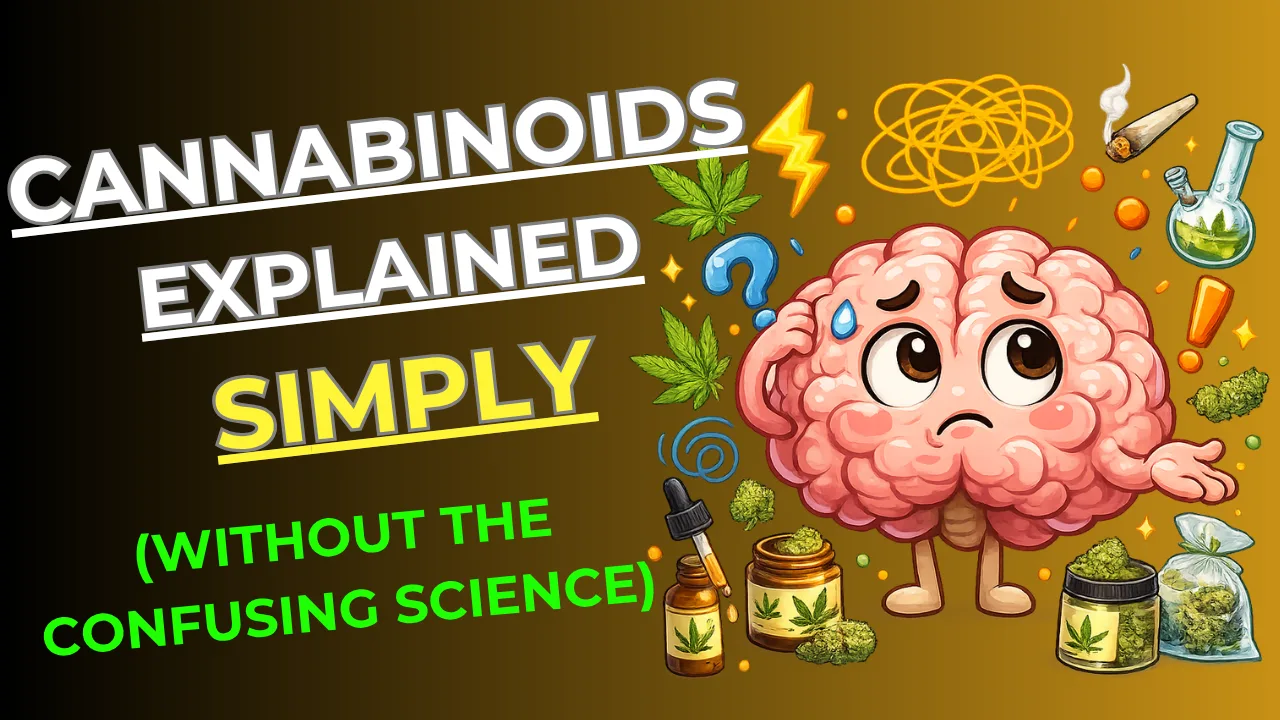
Cannabis conversations are everywhere right now. You hear people talking about THC, CBD, Delta-8, THCA, CBN, live resin, terpenes, and dozens of other terms that sound more like chemistry homework than something simple to understand.
For beginners, it gets confusing fast.
One website says THC helps you relax. Another says CBD balances the effects. Then someone mentions minor cannabinoids, entourage effects, and cannabinoids interacting with receptors in your body. At that point, many people stop reading entirely.
But here’s the truth: cannabinoids are not as complicated as they sound.
Once you understand the basics in plain language, everything starts making sense. You can finally understand why different cannabis products feel different, why some strains make you sleepy while others feel uplifting, and why certain cannabinoids are becoming so popular in 2026.
This guide breaks everything down in the simplest way possible no scientific jargon, no confusing explanations, and no boring textbook language.
By the end of this article, you’ll understand:
- What cannabinoids actually are
- How they work in the body
- The difference between THC, CBD, THCA, Delta-8, CBN, and more
- Why different cannabinoids create different effects
- Which cannabinoids are popular right now
- How to choose the right cannabinoid products for your goals
Let’s start with the basics.
What Are Cannabinoids?
Cannabinoids are natural compounds found inside the cannabis plant.
Think of them as the “active ingredients” in cannabis.
Just like coffee contains caffeine and tea contains antioxidants, cannabis contains cannabinoids.
These compounds are responsible for the effects people feel when using cannabis products.
Some cannabinoids can make you feel relaxed.
Some can make you feel uplifted.
Some may help with sleep, focus, appetite, or mood.
The interesting part is that cannabis doesn’t contain just one cannabinoid.
It contains over 100 different cannabinoids and each one behaves differently.
That’s why two cannabis products can feel completely different even if they come from the same plant family.
Why Do Cannabinoids Affect Humans?
This is where most articles become overly scientific.
So let’s make it simple.
Your body already has a built-in system designed to interact with cannabinoids. It’s called the endocannabinoid system (ECS).
You don’t need to memorize the name.
All you need to know is this:
Your body uses this system to help regulate things like:
- Mood
- Sleep
- Stress
- Appetite
- Relaxation
- Memory
- Pain perception
Cannabinoids interact with this system almost like keys fitting into locks.
Different cannabinoids fit differently, which is why they create different experiences.
That’s the easiest way to understand it.
THC: The Most Famous Cannabinoid
What Is THC?
THC stands for tetrahydrocannabinol.
It’s the main psychoactive cannabinoid in cannabis.
In simple words:
THC is the compound that creates the “high” people associate with marijuana.
When most people talk about cannabis effects, they’re usually talking about THC.
What Does THC Feel Like?
THC effects can vary depending on the person, dosage, and product type.
Common experiences include:
- Relaxation
- Euphoria
- Increased appetite
- Music sounding better
- Enhanced mood
- Altered perception of time
- Sleepiness
- Creativity
However, too much THC can sometimes feel overwhelming, especially for beginners.
That’s why dosage matters.
Why THC Products Feel Different
Not all THC products create the same experience.
For example:
- Vape carts usually hit quickly
- Edibles take longer but last longer
- Flower provides a more traditional experience
- Concentrates are stronger
- Live resin products often feel more flavorful and complex
This difference happens because cannabinoids work together with other cannabis compounds like terpenes.
Understanding cannabinoids becomes even easier once you learn how real products work in everyday life. That’s why our detailed guide, How to Use THC Oil Properly: A Complete Beginner-to-Advanced Guide, walks you through everything from first-time dosing tips to advanced THC oil techniques in simple language.
CBD: The “Calm” Cannabinoid
What Is CBD?
CBD stands for cannabidiol.
Unlike THC, CBD does not create an intense high.
That’s one reason CBD exploded in popularity worldwide.
Many people use CBD products because they want a more balanced or mellow experience.
What Does CBD Feel Like?
CBD effects are often described as:
- Calm
- Relaxing
- Clear-headed
- Mild
- Non-intoxicating
Some people say CBD helps “take the edge off” THC.
That’s why many cannabis products combine THC and CBD together.
If you’re curious about relaxing cannabinoids, CBD is one of the most popular options for nighttime routines. Our guide on “How to Take CBD for Sleep: Timing and Dosage (2026)” explains when to take CBD, how much beginners usually start with, and why timing can completely change your overall experience.
Why People Love CBD
CBD became popular because it appealed to people who wanted cannabis-related benefits without feeling heavily intoxicated.
You’ll now find CBD in:
- Gummies
- Oils
- Capsules
- Drinks
- Topicals
- Vapes
- Wellness products
CBD also helped normalize cannabis culture because many people viewed it as more approachable than traditional high-THC products.
THCA: The Cannabinoid Everyone Is Talking About
THCA is one of the biggest cannabis trends right now.
But many beginners don’t understand it.
What Is THCA?
THCA stands for tetrahydrocannabinolic acid.
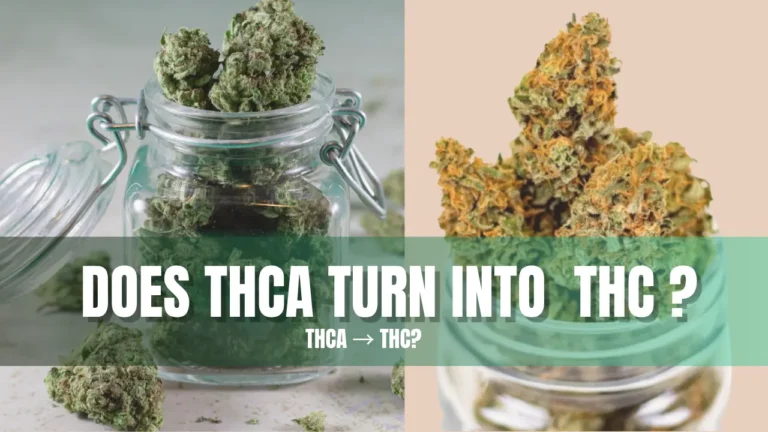
It’s basically raw THC before heat changes it.
Fresh cannabis naturally contains THCA — not regular THC.
When cannabis is heated through smoking, vaping, or cooking, THCA converts into THC.
This process is called decarboxylation.
Sounds complicated, but it’s actually simple:
Heat transforms THCA into psychoactive THC.
That’s it.
Why THCA Products Became So Popular
THCA flower exploded in popularity because it looks and smells similar to traditional cannabis flower.
Many consumers enjoy it because of:
- Strong potency
- Rich terpene profiles
- Traditional flower experience
- Hemp-derived availability in some markets
THCA has become one of the hottest hemp-related keywords online because curiosity around it keeps growing.
If you’re curious about which strains are dominating the market right now, this detailed guide on Best THCA Flowers in 2026 explores some of the most talked-about THCA flower options, flavor profiles, and potency trends shaping the cannabis industry this year.
Delta-8 THC Explained Simply
Delta-8 THC became extremely popular because many people described it as a smoother or milder version of traditional THC.
What Does Delta-8 Feel Like?
Users often describe Delta-8 as:
- More relaxing
- Less intense
- Clearer mentally
- Gentler for beginners
Some people prefer Delta-8 because regular THC feels too strong for them.
Others use it for evening relaxation.
If you’re curious about trying Delta-8 products, checking real product comparisons can make the process much easier. This detailed guide on Best Delta-8 Gummies of 2025 breaks down some of the most talked-about gummy brands, flavors, potency levels, and beginner-friendly options available right now.
Delta-9 THC: The Traditional THC
When people say “THC,” they usually mean Delta-9 THC.
This is the classic version found naturally in cannabis.
Delta-9 is generally stronger and more psychoactive than Delta-8.
Effects may include:
- Euphoria
- Mood enhancement
- Stronger head effects
- Increased appetite
- Heavy relaxation
Dosage matters heavily with Delta-9 products.
Delta-10 THC: The Energizing Cannabinoid
Delta-10 is another cannabinoid gaining attention.
People often describe Delta-10 as more uplifting and daytime-friendly.
Common Delta-10 Descriptions
- Creative
- Motivating
- Energetic
- Functional
- Social
Some users compare it to the difference between coffee and nighttime tea.
It’s still THC-related, but the vibe can feel lighter.
CBN: The Sleepy Cannabinoid
CBN is becoming very popular in sleep-focused cannabis products.
What Is CBN?
CBN stands for cannabinol.
It’s often associated with nighttime use and relaxation.
Many brands now combine:
- THC + CBN
- CBD + CBN
- Melatonin + CBN
inside gummies or tinctures designed for sleep support.
CBG: The “Focus” Cannabinoid
CBG stands for cannabigerol.
It’s sometimes called the “mother cannabinoid” because other cannabinoids develop from it during plant growth.
Consumers often describe CBG as:
- Mentally clear
- Focus-friendly
- Balanced
- Functional
CBG products are growing quickly in the wellness market.
CBC: The Lesser-Known Cannabinoid
CBC doesn’t get as much attention as THC or CBD, but it’s still important.
Cannabis researchers continue studying it alongside other minor cannabinoids.
Most consumers won’t specifically seek out CBC products yet, but it often exists naturally alongside other cannabinoids.
What Are Minor Cannabinoids?
You’ll often hear this term online.
Minor cannabinoids are simply cannabinoids found in smaller amounts.
Examples include:
- CBN
- CBG
- CBC
- Delta-10
- THCV
Brands love using these cannabinoids in modern cannabis formulas because they help products feel unique.
Why Cannabis Feels Different Every Time
This confuses many beginners.
Someone tries one edible and feels sleepy.
Another edible makes them laugh nonstop.
A vape feels different from flower.
One strain feels relaxing while another feels energizing.
Why?
Because cannabinoids are only part of the story.
Enter Terpenes
Terpenes are aromatic compounds found in cannabis.
They influence:
- Flavor
- Smell
- Overall experience
For example:
- Citrus-smelling strains may feel uplifting
- Earthy strains may feel calming
- Fruity strains may feel social
- Gassy strains may feel heavier
Cannabinoids and terpenes work together to shape the overall experience.
This is often called the entourage effect.
The Entourage Effect (Simple Version)
You don’t need a scientific explanation.
Think of cannabinoids like band members.
One guitarist alone sounds okay.
But when drums, vocals, bass, and instruments work together, the experience becomes richer.
That’s how cannabis compounds interact.
THC alone feels different than THC combined with CBD, terpenes, CBN, or other cannabinoids.
Why Cannabis Strains Feel Different
Cannabis strains vary because they contain different combinations of:
- Cannabinoids
- Terpenes
- Potency levels
- Plant genetics
That’s why one strain may feel relaxing while another feels creative or uplifting.
Even when THC percentages look similar.
Sativa, Indica, and Hybrid ( Are They Still Important?)
These terms are still widely used, but modern cannabis consumers now focus more on cannabinoid and terpene profiles.
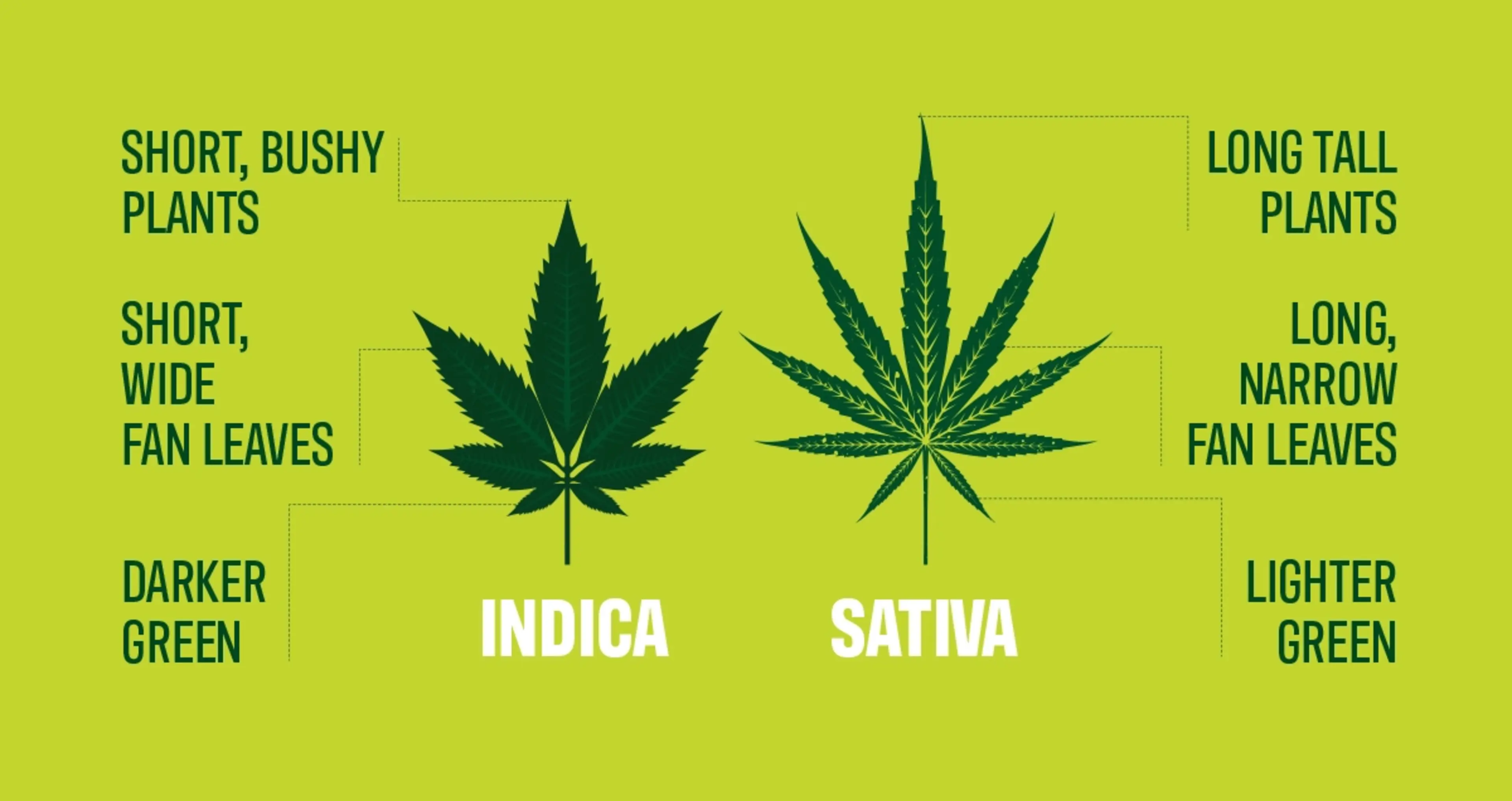
Still, the traditional descriptions are:
Indica
Usually associated with:
- Relaxation
- Body-heavy effects
- Evening use
Sativa
Usually associated with:
- Energy
- Creativity
- Daytime use
Hybrid
A mix of both characteristics.
However, effects depend more on cannabinoid and terpene combinations than labels alone.
How Cannabinoids Are Used in Different Products
Cannabinoids appear in many forms now.
Flower
Traditional cannabis buds.
Fast effects and full-spectrum experience.
Vapes
Portable and convenient.
Usually fast-acting.
Popular for flavor and discretion.
Gummies
One of the fastest-growing cannabis categories.
Easy to dose and beginner-friendly.
Effects take longer to kick in but usually last longer.
Oils and Tinctures
Placed under the tongue or added to food.
Popular for flexibility and controlled dosing.
Concentrates
Highly potent cannabis extracts.
Usually better for experienced consumers.
Why Potency Isn’t Everything
Many beginners chase the highest THC percentage possible.
But higher THC doesn’t always mean better.
Sometimes balanced products with cannabinoids like CBD, CBG, or CBN create a smoother and more enjoyable experience.
A flavorful 22% THC flower with rich terpenes may feel better than a harsh 35% product.
Experienced cannabis users often care more about overall experience than raw potency.
Full-Spectrum vs Broad-Spectrum vs Isolate
These terms appear everywhere in cannabis marketing.
Here’s the easiest explanation.
Full-Spectrum
Contains multiple cannabinoids and terpenes together.
Designed to preserve the plant’s natural profile.
Broad-Spectrum
Contains multiple cannabinoids but usually removes THC.
Isolate
Contains only one cannabinoid.
Example:
Pure CBD isolate contains only CBD and nothing else.
Why Beginners Should Start Slowly
Cannabinoids affect everyone differently.
Factors include:
- Body chemistry
- Tolerance
- Product type
- Dosage
- Environment
- Mood
That’s why beginners should avoid taking large doses immediately.
Especially with edibles.
Why Edibles Feel Stronger
Many people underestimate edibles.
Unlike smoking or vaping, edibles pass through digestion before effects begin.
This process can:
- Delay onset
- Extend duration
- Intensify effects
That’s why experienced users often say:
“Start low and go slow.”
Some cannabinoids are mild and relaxing, while others deliver much stronger effects. Our article on Top 7 Strongest Legal Cannabinoids in 2026 explains which legal cannabinoids are currently considered the most potent and why consumers are talking about them so much.
The Rise of Hemp Cannabinoids
The hemp industry changed massively over the past few years.
Now consumers can find hemp-derived versions of cannabinoids like:
- Delta-8
- Delta-9
- THCA
- CBG
- CBN
This created an entirely new cannabis marketplace focused on alternative cannabinoids.
Why Cannabinoid Trends Keep Changing
Cannabis trends move quickly.
A few years ago, CBD dominated headlines.
Then Delta-8 exploded.
Now THCA products are everywhere.
Next year, another cannabinoid may become the newest trend.
The industry evolves constantly because brands are always searching for:
- New experiences
- Better flavors
- Stronger effects
- Unique combinations
- Innovative products
Are Natural and Synthetic Cannabinoids the Same?
Not always.
Natural cannabinoids come directly from the cannabis plant.
Synthetic cannabinoids are lab-created compounds designed to mimic cannabis effects.
Many consumers prefer naturally derived cannabinoids because they feel closer to traditional cannabis experiences.
Once you understand the basics of cannabinoids, it becomes easier to explore newer alternatives entering the market. Our detailed article on The Rise of Semi-Synthetic Cannabinoids in the U.S.: HHC, HHC-O, THCP & What Consumers Need to Know explains how these emerging compounds are changing the cannabis industry in 2026.
How to Choose the Right Cannabinoid Product
The best cannabinoid depends on your goals.
Want Strong Psychoactive Effects?
Look for:
- Delta-9 THC
- THCA products
- Potent flower
- Live resin vapes
Want Something Milder?
Look for:
- Delta-8
- Balanced THC/CBD products
Want Relaxation Without Intense Highs?
Look for:
- CBD
- CBD + CBN blends
Want Daytime Functionality?
Look for:
- CBG
- Delta-10
- Lower-dose products
Common Beginner Mistakes
1. Taking Too Much Too Fast
Especially with edibles.
Patience matters.
2. Chasing High THC Numbers
Experience matters more than percentages alone.
3. Ignoring Terpenes
Flavor and cannabinoid balance affect the experience heavily.
4. Buying Random Cheap Products
Quality matters enormously in cannabis products.
Always choose trusted brands with transparent lab testing.
Why Lab Testing Matters
Reliable cannabis brands usually provide third-party lab reports showing:
- Cannabinoid levels
- Purity
- Safety testing
- THC percentages
This helps consumers know what they’re actually using.
The Future of Cannabinoids
The cannabinoid industry is still evolving rapidly.
Researchers continue studying:
- Minor cannabinoids
- New extraction methods
- Better formulations
- Personalized cannabis experiences
In the future, products may become even more customized for specific moods, goals, or lifestyles.
Cannabinoids don’t exist in isolation — they’re part of the larger Cannabaceae plant family that has evolved over centuries. To dive deeper into the origins of THCA flower and related cannabis plants, check out “All In the Family: Exploring THCA Flower & the Wider Cannabaceae Family.”
Final Thoughts
Cannabinoids sound complicated at first, but the core idea is actually simple:
Cannabinoids are natural compounds inside cannabis that interact with your body in different ways.
Some feel relaxing.
Some feel energizing.
Some are psychoactive.
Some are mild.
Some work better together.
Once you understand the basics of THC, CBD, THCA, Delta-8, CBN, CBG, and terpenes, the entire cannabis world becomes much easier to navigate.
You no longer need to feel confused by complicated science terms or overwhelming product descriptions.
Instead, you can focus on what actually matters:
- How different cannabinoids feel
- Which products match your goals
- What type of experience you want
As cannabis culture keeps evolving, understanding cannabinoids will help you make smarter choices and better understand the products dominating the market in 2026.
And honestly, once someone explains it in plain English, it’s way less complicated than it first seems.
About the Author