Introduction
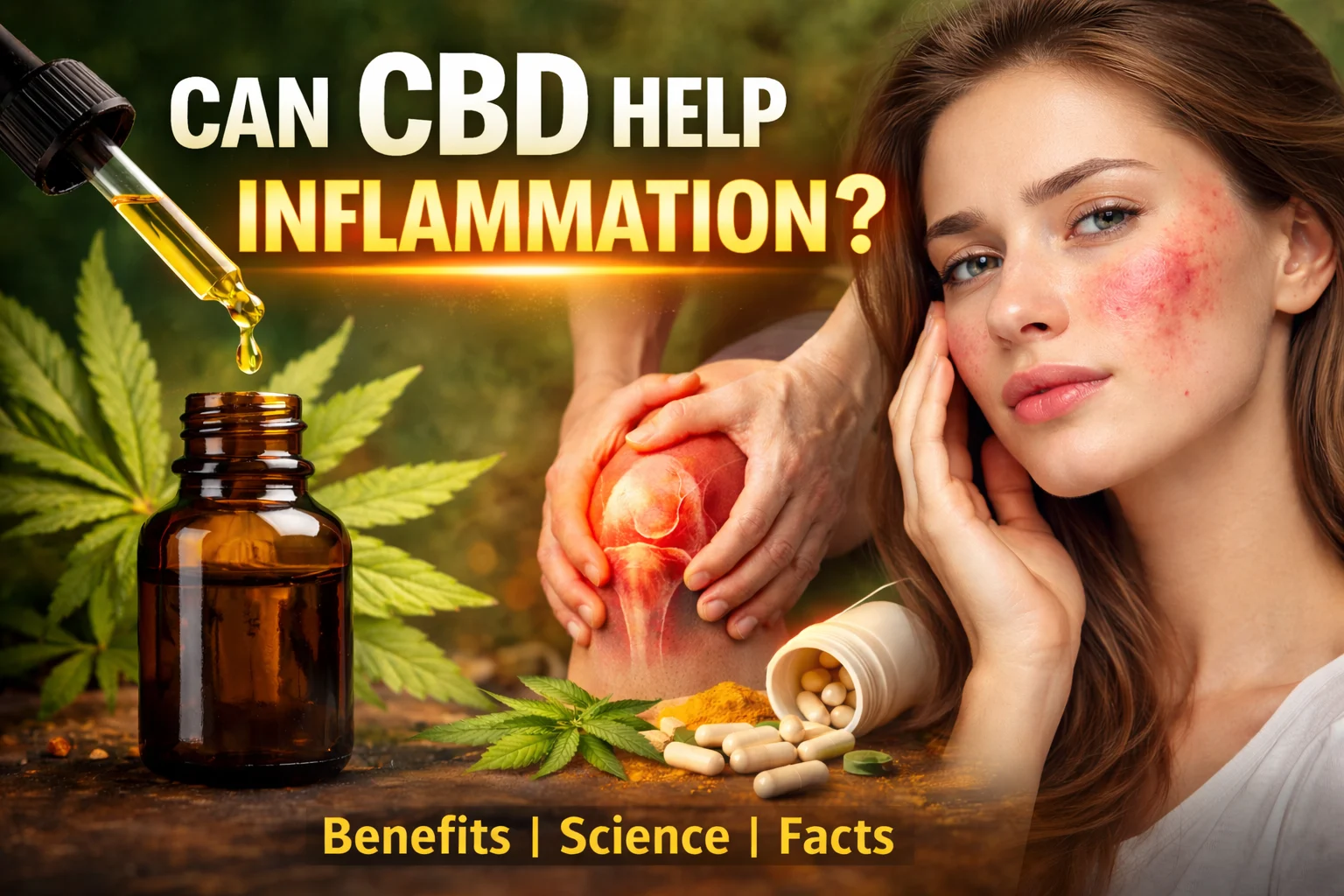
Inflammation is at the root of many health issues—from joint pain and arthritis to autoimmune conditions and even chronic diseases. With the rising popularity of cannabidiol (CBD), many people are asking the same question: Can CBD actually reduce inflammation, or is it just hype?
In this detailed, SEO-optimized guide, we’ll break down what inflammation is, how CBD works in the body, what science says, and whether it’s worth trying.

What Is Inflammation?
Inflammation is your body’s natural defense mechanism. When you get injured or infected, your immune system releases chemicals to protect and heal damaged tissue.
There are two main types:
1. Acute Inflammation
- Short-term (hours to days)
- Caused by injury or infection
- Symptoms: redness, swelling, pain
2. Chronic Inflammation
- Long-term (months or years)
- Linked to diseases like:
Arthritis
Diabetes
Heart disease
Autoimmune disorders
Chronic inflammation is where things get tricky—and where CBD is often discussed as a potential solution.
What Is CBD?
CBD (cannabidiol) is a non-psychoactive compound found in the cannabis plant. Unlike THC, it does not make you high.
It’s commonly available in:
- Oils and tinctures
- Gummies and edibles
- Capsules
- Topical creams
CBD interacts with the body’s endocannabinoid system (ECS), which helps regulate:
- Pain
- Immune response
- Mood
- Inflammation
How CBD Works for Inflammation
CBD doesn’t just “block pain” it works deeper at a biological level.
1. Interaction with the Endocannabinoid System
The ECS includes receptors (CB1 and CB2) that influence inflammation. CBD helps regulate these receptors, promoting balance in immune responses.
2. Reducing Cytokines
Inflammation is driven by molecules called cytokines. Research suggests CBD may reduce pro-inflammatory cytokines, helping calm excessive immune activity.
3. Antioxidant Properties
CBD also acts as an antioxidant, reducing oxidative stress—a major contributor to chronic inflammation.
4. Influence on Inflammatory Pathways
Studies show CBD can interfere with pathways like NF-κB and MAPK, which are responsible for inflammatory responses.
What Does Science Say?
Promising Preclinical Evidence
Many lab and animal studies show strong anti-inflammatory effects:
- CBD has demonstrated anti-inflammatory properties in multiple experimental models.
- It may help conditions like arthritis by targeting inflammatory cells.
- Newer studies (2026) suggest CBD can reduce inflammation caused by high-fat diets in animal models.
Human Research: Still Evolving
Here’s where things get nuanced:
- Some research suggests CBD may reduce inflammation, but more clinical trials are needed.
- A 2026 meta-analysis found mixed results, with some studies even showing minimal or inconsistent effects.
Bottom line:
- Lab results = promising
- Human evidence = still limited and inconsistent
CBD is also being explored for nerve-related inflammation and pain. If you’re dealing with tingling, burning, or nerve discomfort, you might want to explore how CBD works specifically for neuropathy in our detailed guide: Say Goodbye to Nerve Pain? CBD Gummies for Neuropathy Explained.
Conditions Where CBD May Help Inflammation
1. Arthritis & Joint Pain
CBD is widely used for joint inflammation. Early studies suggest it may reduce swelling and pain in conditions like rheumatoid arthritis.

2. Muscle Recovery
Athletes use CBD for post-workout inflammation and soreness.
3. Skin Conditions
Topical CBD may help with:
- Acne
- Eczema
- Psoriasis
4. Autoimmune Disorders
CBD may help regulate immune overactivity in conditions like:
- Multiple sclerosis
- Crohn’s disease
5. Neurological Inflammation
CBD is being studied for brain inflammation linked to:
- Alzheimer’s
- Parkinson’s
Types of CBD for Inflammation
Choosing the right type matters:
1. Full-Spectrum CBD
- Contains all cannabinoids (including trace THC)
- May provide “entourage effect”
2. Broad-Spectrum CBD
-
THC-free but includes other cannabinoids
3. CBD Isolate
- Pure CBD only
- Best for those avoiding THC completely
Best Ways to Use CBD for Inflammation
1. CBD Oil/Tinctures
- Fast absorption
- Good for systemic inflammation
2. CBD Topicals
- Best for localized pain
- Applied directly to skin
3. CBD Gummies & Edibles
- Easy to use
- Longer-lasting effects
4. Capsules
- Consistent dosing
- Slower onset
Dosage: How Much CBD Should You Take?
There’s no universal dose, but general guidelines:
- Beginners: 5–10 mg/day
- Moderate: 10–30 mg/day
- Advanced: 30–100 mg/day
Factors that affect dosage:
- Body weight
- Severity of inflammation
- Product type
- Individual tolerance
Always start low and increase gradually.
Benefits of CBD for Inflammation
- Non-psychoactive (no “high”)
- May reduce pain and swelling
- Natural alternative to NSAIDs
- Potential antioxidant benefits
- Multiple ways to consume
Risks and Side Effects
CBD is generally well tolerated, but possible side effects include:
- Fatigue
- Dry mouth
- Diarrhea
- Changes in appetite
Important:
- CBD can interact with medications
- Quality varies widely across products
Always consult a healthcare professional before use.
While CBD is widely used for inflammation without psychoactive effects, Delta-8 THC may offer additional relaxation benefits for some users. If you’re curious about trying edibles, explore our guide to the best Delta-8 gummies for a detailed breakdown of popular products and user experiences.
CBD vs Traditional Anti-Inflammatory Drugs
| Feature | CBD | NSAIDs (e.g., ibuprofen) |
|---|---|---|
| Natural | Yes | No |
| Risk of addiction | No | No |
| Side effects | Mild | Can be severe |
| Long-term use | Possibly safer | Risky (gut, kidney issues) |
| Scientific evidence | Limited | Strong |
Is CBD Legal?
CBD legality depends on location:
- USA: Legal if hemp-derived (<0.3% THC)
- India: Complicated—legal under certain Ayurvedic contexts
- Europe: Varies by country
Always check local laws before purchasing.
Tips for Choosing High-Quality CBD
- Look for third-party lab testing
- Check THC levels
- Avoid unrealistic claims
- Choose reputable brands
- Read ingredient labels
Some users explore full-spectrum extracts or concentrates for enhanced effects. For example, solventless options like live rosin retain more natural compounds. Learn more in What Is Live Rosin? [6 Reasons It Stands Apart From Other Concentrates].
Final Verdict: Does CBD Help with Inflammation?
CBD shows real potential as an anti-inflammatory compound but it’s not a miracle cure.
What we know:
Strong evidence from lab and animal studies
Early human studies show promise
Widely used for pain and inflammation
What we don’t know:
Optimal dosage
Long-term effects
Consistent clinical outcomes
Conclusion:
CBD may help reduce inflammation, especially for mild to moderate conditions but more human research is needed before it becomes a mainstream medical treatment.
FAQ
Is CBD better than painkillers?
Not necessarily it depends on the condition. CBD may be safer long-term but less potent.
How long does CBD take to work?
- Oils: 15–45 minutes
- Edibles: 30–90 minutes
- Topicals: 10–20 minutes
Can I use CBD daily?
Yes, many people do—but consult a doctor for long-term use.
About the Author