The cannabis market has evolved rapidly in recent years. If you’ve been browsing hemp products online or visiting dispensaries, you’ve likely come across terms like THCA, Delta-8, and Delta-9. While they may sound similar, these cannabinoids have very different effects, legality, and uses.
For beginners and even experienced cannabis users, understanding these compounds can be confusing. In this guide, we’ll break down THCA vs Delta-8 vs Delta-9, explain how they work, their benefits, effects, legality, and help you decide which one might be right for you.
Understanding Cannabinoids in Cannabis
Cannabis plants contain more than 100 naturally occurring cannabinoids. These compounds interact with the body’s endocannabinoid system (ECS), which regulates mood, sleep, appetite, pain, and other functions.
Among these cannabinoids, three have become especially popular:
- THCA (Tetrahydrocannabinolic Acid)
- Delta-8 THC
- Delta-9 THC
Although they come from the same plant family, they behave quite differently inside the body.
What is THCA?
THCA (Tetrahydrocannabinolic Acid) is the raw, non-psychoactive precursor to THC found in fresh cannabis plants. When cannabis is harvested, it primarily contains THCA rather than THC.
How THCA Becomes THC
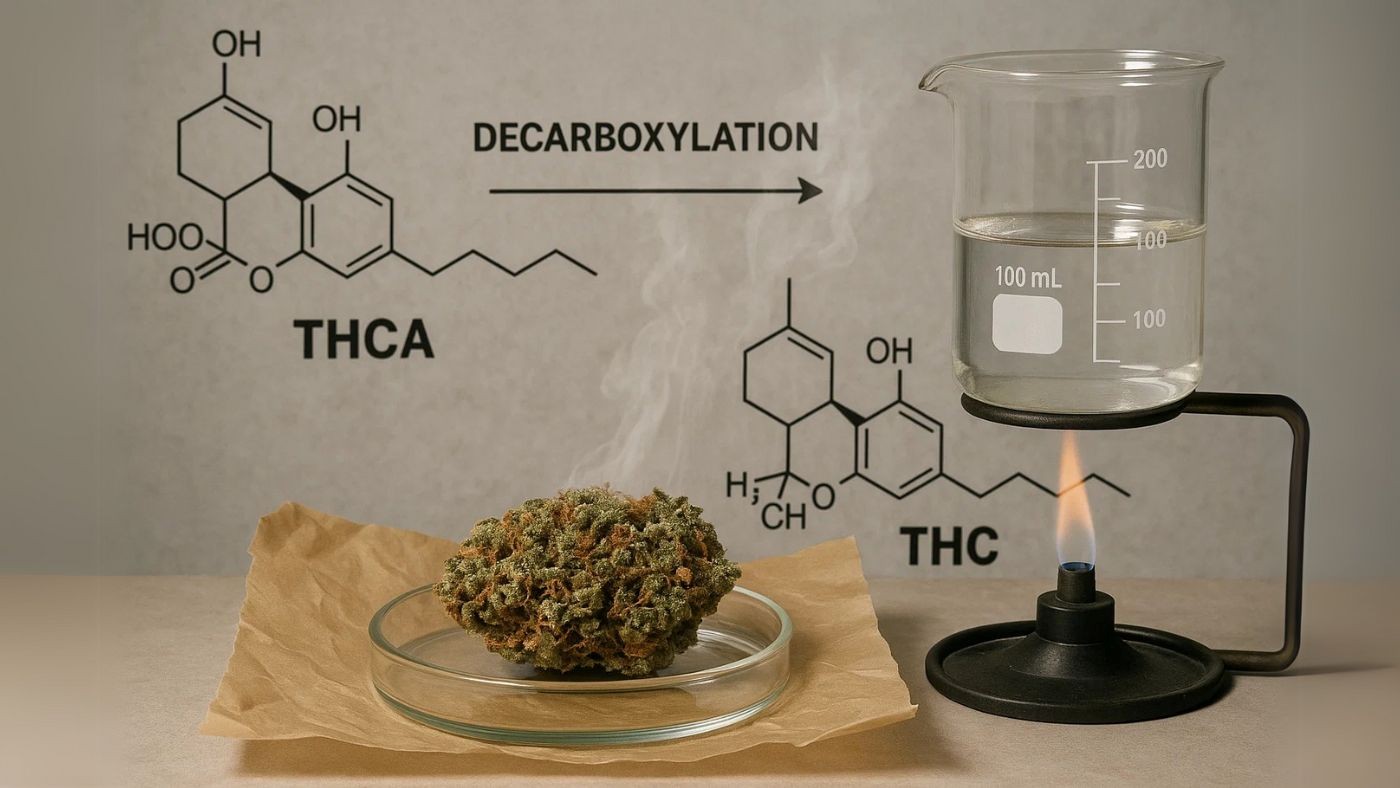
THCA turns into THC through a process called decarboxylation. This happens when cannabis is exposed to heat, such as:
- Smoking
- Vaping
- Cooking
Once heated, THCA loses a carboxyl group and becomes Delta-9 THC, the compound responsible for the typical cannabis “high.”
Key Characteristics of THCA
- Non-psychoactive in raw form
- Found in fresh cannabis and hemp plants
- Converts into Delta-9 THC when heated
- Often consumed as raw cannabis juice, tinctures, or THCA flower
- Potential Benefits of THCA
Although research is still ongoing, early studies suggest THCA may support:
- Anti-inflammatory effects
- Neuroprotective properties
- Nausea relief
- Appetite regulation
Because it does not produce a strong high in raw form, many people use THCA for wellness purposes rather than recreational effects.
What is Delta-8 THC?
Delta-8 THC is a naturally occurring cannabinoid found in small amounts in hemp and cannabis plants. Chemically, it is very similar to Delta-9 THC but with a slightly different molecular structure.
This small structural difference results in milder psychoactive effects.
Effects of Delta-8 THC
Users often describe Delta-8 as a smoother and less intense high compared to Delta-9 THC.
Common effects include:
- Mild euphoria
- Relaxation
- Reduced anxiety
- Improved sleep
- Increased appetite
Because of its gentler effects, Delta-8 has gained popularity among people who want the benefits of THC without the overwhelming high.
You may also find this guide on the best Delta-8 gummies of 2025 helpful if you’re exploring other hemp-derived products.
Why Delta-8 Became Popular
Delta-8 products surged in popularity after the 2018 Farm Bill in the United States, which legalized hemp-derived products containing less than 0.3% Delta-9 THC.
Since Delta-8 can be derived from hemp-based CBD, many companies began producing:
- Delta-8 gummies
- Delta-8 vapes
- Delta-8 tinctures
- Delta-8 flower
However, regulations vary by region, and some states have restricted Delta-8 sales.
What is Delta-9 THC?
Delta-9 THC (Delta-9 tetrahydrocannabinol) is the primary psychoactive compound in cannabis. It is the cannabinoid responsible for the traditional cannabis high people have experienced for decades.
Effects of Delta-9 THC
Delta-9 THC binds strongly to CB1 receptors in the brain, producing noticeable psychoactive effects such as:
- Euphoria
- Altered perception
- Increased creativity
- Relaxation
- Heightened sensory experiences
At higher doses, some users may experience:
- Anxiety
- Dry mouth
- Red eyes
- Temporary memory impairment
Medical Uses of Delta-9 THC
Delta-9 THC has been widely studied and may help with:
- Chronic pain
- Nausea from chemotherapy
- Appetite stimulation
- Sleep disorders
- Muscle spasms
Because of its strong effects, Delta-9 products are usually regulated more strictly than other cannabinoids.
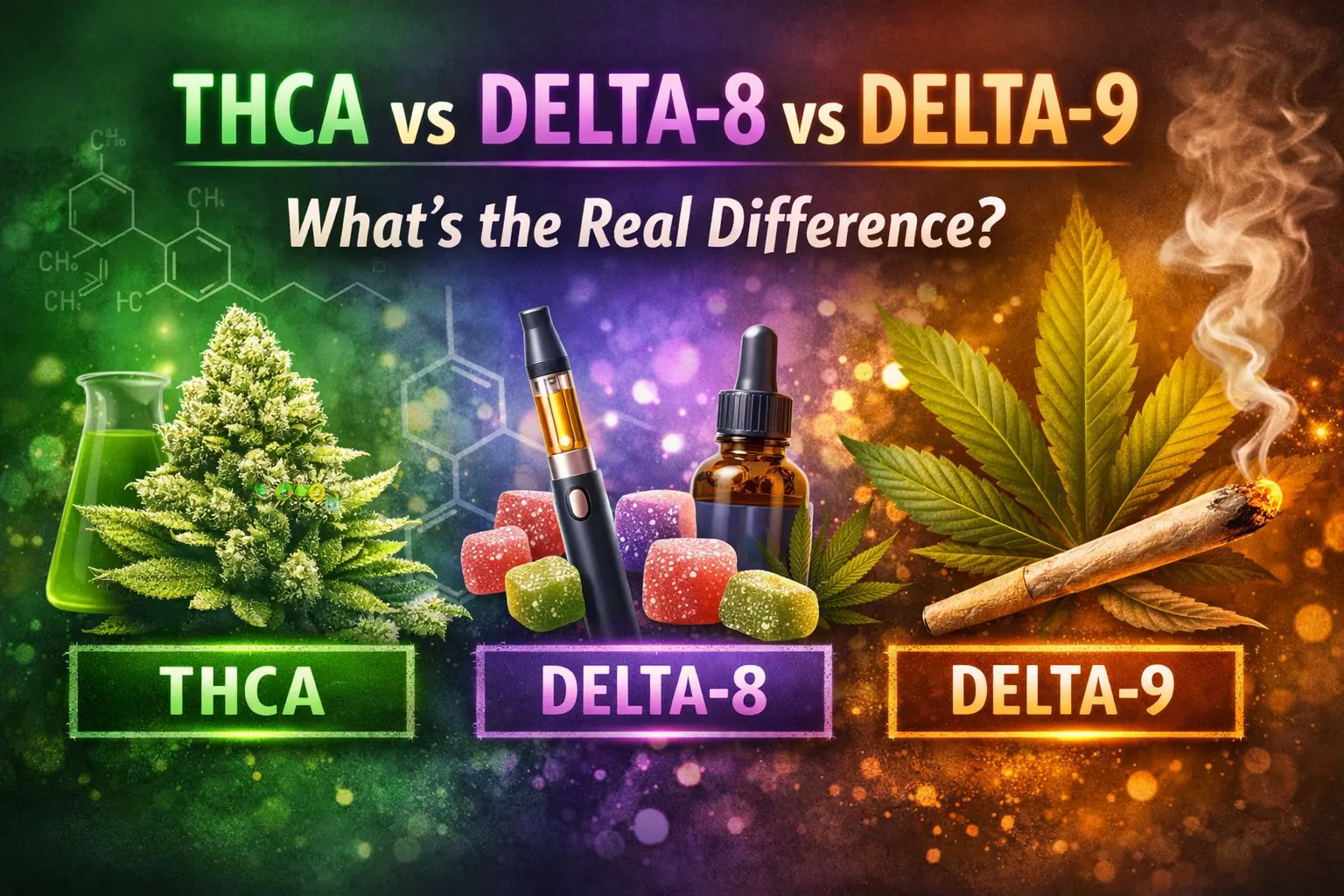
THCA vs Delta-8 vs Delta-9: Key Differences
Although these three cannabinoids are related, they differ in potency, effects, and legal status.
| Feature | THCA | Delta-8 THC | Delta-9 THC |
|---|---|---|---|
| Psychoactive | No (unless heated) | Mild | Strong |
| Natural Source | Raw cannabis | Hemp & cannabis | Cannabis |
| Potency | None (raw form) | Moderate | High |
| Effects | Wellness benefits | Relaxing, mild high | Strong euphoric high |
| Legal Status | Often legal if hemp-derived | Mixed legality | Highly regulated |
THCA vs Delta-8 vs Delta-9: Effects Comparison
THCA Effects
When consumed raw, THCA typically does not produce intoxication. Users often report:
- Clear-headed wellness support
- Anti-inflammatory effects
- Potential neuroprotective properties
However, smoking THCA flower will convert it into Delta-9 THC, producing a traditional high.
Although many people enjoy THCA flower, certain individuals should approach it with caution. Our guide on who should avoid THCA flower explains the key safety factors to keep in mind.
Delta-8 Effects
Delta-8 is often described as “THC-light.”
Typical user experience:
- Calm relaxation
- Light euphoria
- Less anxiety than Delta-9
- Mild body high
It’s often preferred by beginners or people sensitive to THC.
Delta-9 Effects
Delta-9 provides the strongest psychoactive experience among the three.
Common sensations include:
- Strong euphoria
- Mental uplift
- Altered perception
- Increased appetite
It is the cannabinoid most associated with recreational cannabis use.

Which One is Stronger?
In terms of psychoactive strength:
Delta-9 THC > Delta-8 THC > THCA (raw)
However, if THCA is heated, it converts into Delta-9 THC, making it equally potent once activated.
So potency depends heavily on how the product is consumed.
Legality of THCA, Delta-8, and Delta-9
Cannabis laws vary significantly across countries and states, but general trends include:
THCA Legality
THCA derived from hemp may be legal in some regions as long as the product contains less than 0.3% Delta-9 THC before heating.
However, legal interpretation can vary because THCA converts into THC.
Delta-8 Legality
Delta-8 exists in a legal gray area in many places. Some states allow it, while others have banned or restricted it due to safety concerns.
Delta-9 Legality
Delta-9 THC is typically the most regulated cannabinoid. It is legal only in places where cannabis is approved for medical or recreational use.
Always check local regulations before purchasing any cannabis-derived products.
THCA vs Delta-8 vs Delta-9: Which Should You Choose?
The best cannabinoid for you depends on your goals and tolerance level.
Choose THCA if you want:
- Non-psychoactive cannabis benefits
- Anti-inflammatory support
- Raw cannabis wellness products
Choose Delta-8 if you want:
- A mild, manageable high
- Relaxation without strong intoxication
- A beginner-friendly THC experience
Choose Delta-9 if you want:
- A traditional cannabis high
- Stronger recreational effects
- Maximum potency
Safety and Side Effects
Although cannabinoids are generally considered safe, they can produce side effects, especially at high doses.
Possible Side Effects
- Dry mouth
- Dizziness
- Increased heart rate
- Anxiety (mostly with Delta-9)
- Fatigue
To reduce risk:
- Start with low doses
- Buy products from lab-tested brands
- Avoid mixing with alcohol or medications without guidance
Understanding how cannabinoids are made can help you make better choices. Our article on natural vs lab-converted cannabinoids: where Delta-8 fits in explains the differences in detail.
The Future of Cannabinoids
The cannabis industry continues to expand, with new cannabinoids being discovered and studied regularly.
Compounds like HHC, THCP, and Delta-10 THC are gaining attention, but THCA, Delta-8, and Delta-9 remain among the most widely discussed cannabinoids today.

As research advances, we’ll likely learn much more about how these compounds can support health, wellness, and recreational experiences.
Final Thoughts: THCA vs Delta-8 vs Delta-9
While they come from the same cannabis plant, THCA, Delta-8, and Delta-9 THC offer very different experiences.
- THCA is non-psychoactive in raw form and focuses on wellness benefits.
- Delta-8 THC provides a mild, smoother high that many beginners prefer.
- Delta-9 THC delivers the classic cannabis high with stronger effects.
Understanding these differences can help you choose the right cannabinoid for your needs, whether you’re looking for relaxation, therapeutic benefits, or recreational enjoyment.
As always, purchase products from reputable brands with third-party lab testing to ensure safety and quality.
About the Author