CBD has exploded in popularity across the United States. From oils and gummies to vapes and creams, millions of people use cannabidiol for stress, sleep, pain, recovery, and relaxation. But one question still comes up again and again: Does CBD have side effects?
The short answer is yes CBD can cause side effects in some people. Most are mild, temporary, and manageable, but understanding what to expect before taking CBD is important for both safety and comfort.
In this guide, you’ll learn:
- The most common CBD side effects
- Who is more likely to experience them
- How CBD interacts with the body
- When side effects are serious
- How to reduce unwanted reactions
- Whether CBD is safer than THC
- Tips for beginners using CBD for the first time
If you’re thinking about trying CBD or already using it, this article will help you make informed decisions.

What Is CBD?
CBD (cannabidiol) is a natural compound found in hemp and cannabis plants. Unlike THC, CBD is non-intoxicating, meaning it typically does not produce the “high” associated with marijuana.
CBD works by interacting with the body’s endocannabinoid system (ECS) a complex network involved in regulating:
- Sleep
- Mood
- Appetite
- Pain response
- Stress
- Immune balance
Because of this interaction, many people use CBD products to support relaxation, recovery, and general wellness.
Popular forms include:
- CBD gummies
- CBD oil tinctures
- Capsules
- CBD vapes
- Topicals and creams
- CBD drinks
Although CBD is generally considered well tolerated, it still affects the body biologically, which means side effects are possible.
Is CBD Safe?
Current research suggests CBD is relatively safe for most healthy adults when used responsibly. Even the World Health Organization has stated that CBD shows no evidence of abuse or dependence potential.
However, “safe” does not mean “side-effect free.”
Factors that influence side effects include:
- Dosage
- Product quality
- Body chemistry
- Sensitivity to cannabinoids
- Other medications being taken
- THC content in the product
Many negative experiences linked to CBD actually come from:
- Taking too much too quickly
- Poor-quality products
- Hidden THC
- Fake or contaminated products
- Mixing CBD with medications
That’s why choosing reputable hemp products matters.
Many first-time users worry about physical reactions after taking cannabidiol, especially questions covered in “Does CBD Make Your Eyes Red? The Truth Most People Still Get Wrong (2026 Guide)”, since red eyes are often confused with common CBD side effects.
Most Common CBD Side Effects
Let’s break down the side effects people report most often.
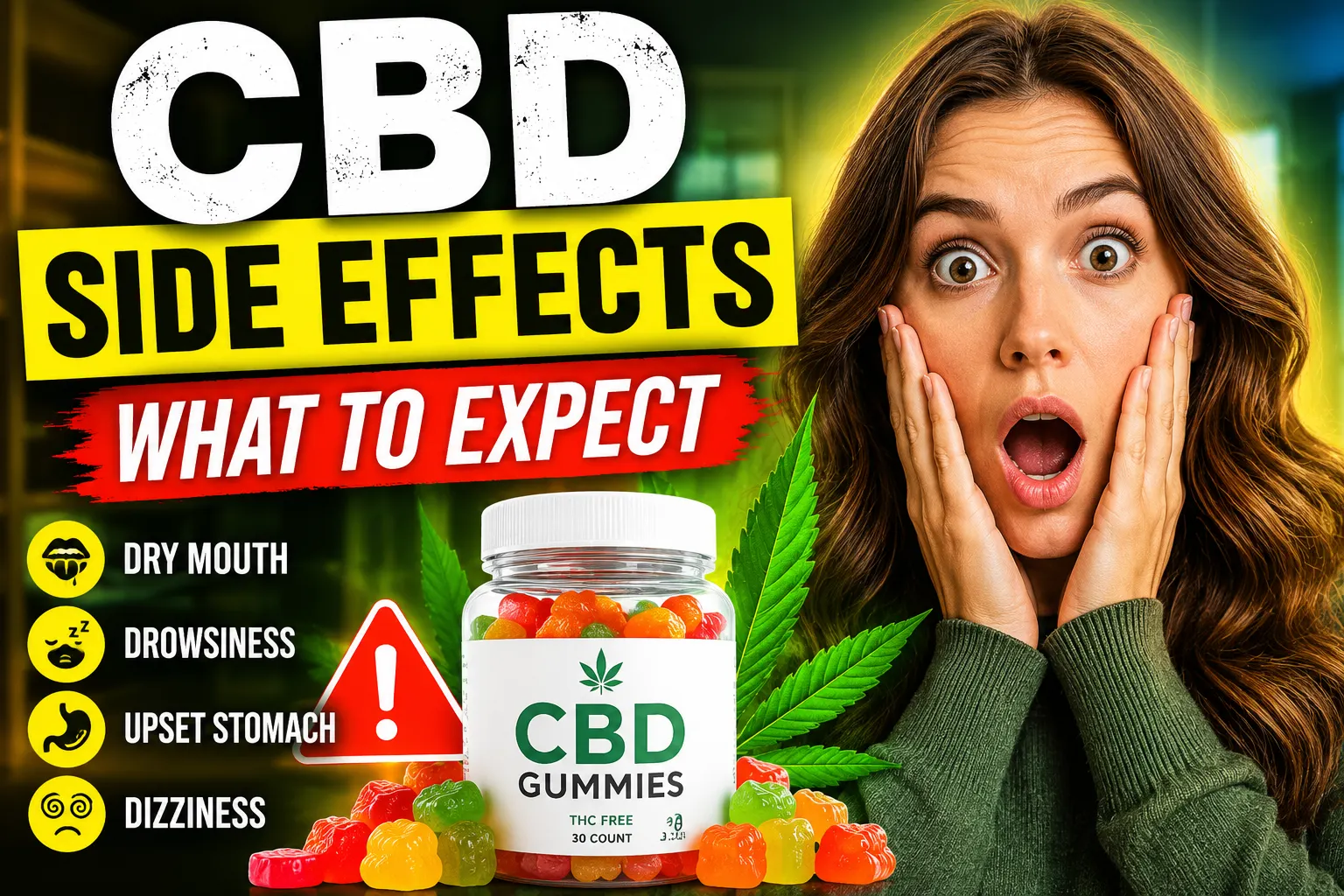
1. Dry Mouth
Dry mouth is one of the most common CBD side effects.
Many users describe it as “cottonmouth,” similar to what cannabis users sometimes experience with THC.
Why It Happens
CBD may temporarily reduce saliva production by interacting with cannabinoid receptors in salivary glands.
Symptoms
- Sticky feeling in the mouth
- Increased thirst
- Dry lips
- Mild throat dryness
How to Reduce It
- Drink more water
- Stay hydrated before taking CBD
- Avoid excessive caffeine
- Use sugar-free gum or lozenges
This side effect is usually mild and temporary.
2. Drowsiness or Fatigue
CBD is often used for relaxation and sleep support, so it’s not surprising that some users feel sleepy after taking it.
Who Experiences It Most?
- People taking high doses
- New users
- Those sensitive to calming supplements
- Users combining CBD with sleep aids
Symptoms
- Sleepiness
- Low energy
- Brain fog
- Feeling overly relaxed
Prevention Tips
- Start with smaller doses
- Take CBD at night if it makes you sleepy
- Avoid driving until you know how your body reacts
Many users actually want this effect when using CBD for sleep support.
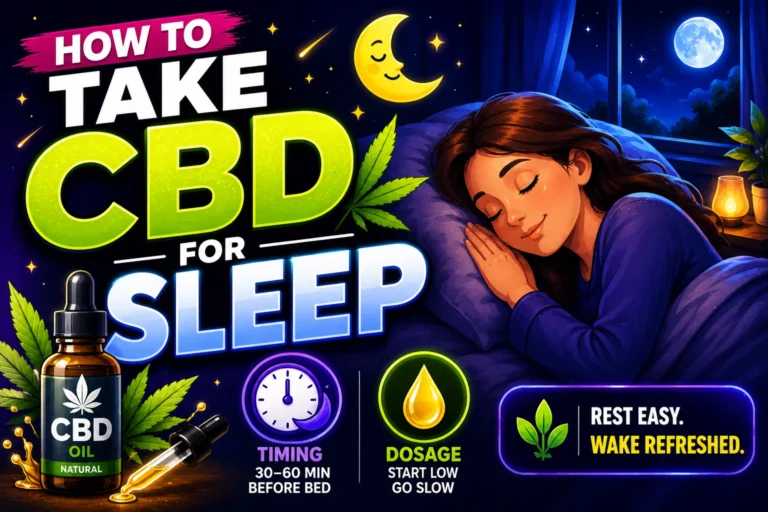
You can also compare how people use cannabinoids for rest in articles discussing topics like “CBD for Sleep: Does It Actually Work?” which explain timing and dosage strategies.
3. Digestive Issues
Some people experience stomach discomfort after using CBD products.
Possible Symptoms
- Nausea
- Diarrhea
- Upset stomach
- Appetite changes
- Cramping
Why It Happens
Sometimes the issue is not the CBD itself but:
- Carrier oils used in tinctures
- Artificial sweeteners in gummies
- Taking high doses on an empty stomach
How to Avoid It
- Take CBD with food
- Choose cleaner ingredient labels
- Reduce dosage
- Avoid low-quality products with fillers
Digestive side effects are usually temporary.
4. Dizziness or Lightheadedness
CBD may slightly lower blood pressure in some users, especially at higher doses.
Symptoms
- Feeling faint
- Lightheadedness
- Temporary dizziness
- Weakness when standing up quickly
Risk Factors
- Taking too much CBD
- Being dehydrated
- Mixing CBD with alcohol or sedatives
Prevention
- Stay hydrated
- Start with lower doses
- Sit or lie down if dizziness occurs
If symptoms are severe or persistent, stop using CBD and consult a healthcare professional.
5. Changes in Appetite
CBD affects appetite differently depending on the individual.
Some people feel:
- Hungrier than usual
- Less interested in food
- More balanced eating patterns
Unlike THC, CBD does not usually trigger intense cravings (“the munchies”), but it may still influence hunger signals through the endocannabinoid system.
6. Headaches
Headaches are less common but still reported occasionally.
Possible Causes
- Low-quality CBD products
- Too much THC in “CBD” products
- Dehydration
- Artificial additives
- Important Note
If CBD consistently gives you headaches, the issue may be the product quality rather than CBD itself.
Look for:
- Third-party lab testing
- THC transparency
- Clean ingredient lists
- Reputable hemp sourcing
7. Mood Changes
Most users take CBD to feel calmer, but occasionally people report:
- Irritability
- Emotional dullness
- Anxiety
- Restlessness
This tends to happen when:
- Dosages are too high
- Products contain unexpected THC
- The user is highly sensitive to cannabinoids
CBD affects everyone differently, which is why gradual dosing matters.
Can CBD Cause Anxiety?
Pure CBD is generally associated with calming effects, but some users still report anxiety-like symptoms.
Usually this happens because:
- The product contains more THC than expected
- The dosage is excessive
- The person is naturally sensitive to cannabis compounds
This is especially common with mislabeled products.
Some “CBD” products sold online or at gas stations may contain significant THC levels, which can trigger:
- Racing thoughts
- Paranoia
- Increased heart rate
- Nervousness
That’s why product transparency is critical.
While many people use CBD for stress relief and emotional wellness, understanding both the benefits and risks matters. That’s where guides like “Can CBD Help with Depression? What Studies Say” can provide additional insight into current research.
CBD Side Effects vs THC Side Effects
Many people confuse CBD and THC because both come from cannabis plants.
However, their side effect profiles are very different.
| CBD | THC |
|---|---|
| Non-intoxicating | Psychoactive |
| Usually calming | Can cause paranoia |
| Mild side effects | Stronger mental effects |
| Low abuse potential | Can impair coordination |
| Rarely causes anxiety | Anxiety more common |
If you want wellness benefits without intoxication, CBD is generally the preferred option.
Many side effects linked to CBD are actually caused by low-quality or mislabeled products, which is why understanding Fake vs Real CBD Products: How to Spot the Difference (Complete 2026 Guide) is so important for first-time buyers.
Can CBD Interact With Medications?
Yes this is one of the most important safety concerns.
CBD can affect how the liver processes certain medications through an enzyme system called CYP450.
This means CBD may increase or decrease medication levels in the body.

Medications That May Interact With CBD
Potential interactions include:
- Blood thinners
- Antidepressants
- Seizure medications
- Heart medications
- Sedatives
- Some pain medications
This does not automatically mean CBD is dangerous, but you should speak with a healthcare professional if you take prescription medications regularly.
You may also benefit from reading educational resources related to “CBD Interactions: Which Medications Interact & What Your Doctor Needs to Know” to better understand potential risks.
Who Is More Likely to Experience Side Effects?
Some individuals are naturally more sensitive to cannabinoids.
Higher-risk groups include:
- First-time users
- People taking high doses
- Individuals with low body weight
- Users mixing CBD with alcohol
- Those taking medications
- People using unregulated products
Your body chemistry plays a major role in how CBD affects you.
Can You Take Too Much CBD?
CBD overdose is considered extremely unlikely, especially compared to THC or other substances.
However, taking excessive amounts may increase side effects such as:
- Severe drowsiness
- Digestive discomfort
- Fatigue
- Dizziness
- Brain fog
More is not always better.
Many beginners mistakenly assume high doses work faster, but gradual dosing is usually more effective and comfortable.
How Much CBD Should Beginners Take?
There is no universal CBD dosage because effects vary by person.
A common beginner strategy is:
- Start low
- Increase slowly
- Monitor how you feel
Many first-time users begin with:
- 5–10 mg once daily
- Gradually increase if needed
Factors influencing dosage:
- Body weight
- Tolerance
- Product strength
- Desired effects
- Metabolism
If you’re unsure where to begin, educational guides discussing “How Many CBD Gummies Should I Take?” can help new users understand serving sizes and tolerance levels.
How Long Do CBD Side Effects Last?
Most mild side effects fade within a few hours.
Factors affecting duration include:
- Dose size
- Consumption method
- Metabolism
- Hydration levels
- Food intake
Typical Duration
| Side Effect | Estimated Duration |
|---|---|
| Dry mouth | 1–4 hours |
| Drowsiness | Several hours |
| Dizziness | Minutes to hours |
| Digestive discomfort | Few hours |
| Headaches | Varies |
Persistent symptoms may indicate product issues or excessive dosing.
Are CBD Gummies More Likely to Cause Side Effects?
Not necessarily, but gummies have unique considerations.
Pros
- Easy dosing
- Long-lasting effects
- Convenient
Cons
- Slower onset
- Added sugars or sweeteners
- Harder to adjust quickly once consumed
Some people tolerate tinctures better because they can control dosage more precisely.
Beginners often confuse normal adjustment symptoms with serious reactions, which is why guides like “CBD Gummies Side Effects for Beginners: What First-Time Users Must Know” are useful for learning how dosage, body weight, and product quality affect your experience.
CBD Vape Side Effects
Vaping CBD may produce faster effects, but it also introduces additional concerns.
Potential vape-related side effects include:
- Dry throat
- Coughing
- Lung irritation
- Chest discomfort
The quality of vape ingredients matters significantly.
Avoid products containing:
- Vitamin E acetate
- Unknown thinning agents
- Unverified additives
Can CBD Affect the Liver?
Research has explored whether very high CBD doses could impact liver enzymes in some individuals.
This concern mainly comes from:
- Extremely high doses
- Prescription-grade CBD
- Long-term heavy use
For most casual wellness users, the risk appears low, but people with liver conditions should consult a healthcare provider before using CBD regularly.
Is CBD Addictive?
Current evidence suggests CBD itself has low addiction potential.
Unlike nicotine or THC-heavy cannabis products, CBD does not typically produce:
- Cravings
- Dependency patterns
- Intoxication-driven misuse
Many people actually use CBD as part of wellness routines rather than compulsive habits.
How to Reduce CBD Side Effects
If you want to minimize unwanted reactions, follow these best practices.
1. Start With a Low Dose
Avoid taking large amounts immediately.
Low and slow is the safest approach.
2. Buy High-Quality Products
Choose brands that provide:
- Third-party lab testing
- THC transparency
- Hemp sourcing information
- Ingredient disclosure
Poor-quality products are a major reason users experience bad reactions.
3. Stay Hydrated
Water helps reduce:
- Dry mouth
- Dizziness
- Fatigue
Hydration matters more than many people realize.
4. Take CBD With Food
This may reduce:
- Stomach discomfort
- Nausea
- Digestive irritation
5. Avoid Mixing With Alcohol Initially
Combining substances can intensify drowsiness and dizziness.
6. Track Your Reactions
Keep notes about:
- Dosage
- Timing
- Product type
- Side effects
This helps you identify what works best for your body.
When Should You Stop Taking CBD?
Stop using CBD and seek medical advice if you experience:
- Severe allergic reactions
- Difficulty breathing
- Extreme dizziness
- Chest pain
- Persistent vomiting
- Intense confusion
These reactions are rare but require attention.
Are Some CBD Products Safer Than Others?
Yes.
The CBD market still has quality inconsistencies, especially online and in convenience stores.
Safer products usually include:
- COAs (Certificates of Analysis)
- Transparent labeling
- Clear cannabinoid content
- Reputable manufacturing practices
Products with mystery ingredients or unrealistic claims should be avoided.
Full-Spectrum vs Broad-Spectrum vs CBD Isolate
Different CBD types may affect side effects differently.
Full-Spectrum CBD
Contains:
- CBD
- Minor cannabinoids
- Trace THC
May provide stronger entourage effects but can increase THC sensitivity in some users.
Broad-Spectrum CBD
Contains multiple cannabinoids but typically removes THC.
Popular for users wanting THC-free support.
CBD Isolate
Pure CBD only.
Often preferred by:
- Sensitive users
- Beginners
- People avoiding THC completely
CBD Side Effects in Older Adults
Older adults may experience stronger effects because of:
- Slower metabolism
- Medication use
- Greater sensitivity
Lower starting doses are especially important for seniors.
CBD Side Effects in Pets
Pet owners often ask whether CBD affects dogs and cats similarly.
Possible side effects in pets include:
- Drowsiness
- Low energy
- Digestive upset
- Coordination changes
Only use pet-specific CBD products and consult a veterinarian first.
Myths About CBD Side Effects
CBD Has No Side Effects
False. CBD can cause mild side effects in some individuals.
More CBD Works Better
False. Excessive doses often increase unwanted reactions.
All CBD Products Are the Same
False. Quality varies dramatically between brands.
CBD Gets Everyone High
False. Pure CBD is non-intoxicating.
Final Thoughts
CBD is generally considered well tolerated, but side effects can still happen especially with poor-quality products, excessive doses, or hidden THC.
The most common side effects include:
- Dry mouth
- Drowsiness
- Digestive discomfort
- Dizziness
- Appetite changes
For most people, these reactions are mild and temporary.
The best way to reduce problems is to:
- Start with low doses
- Choose reputable products
- Read lab reports
- Avoid rushing your dosage
- Monitor how your body responds
As interest in hemp wellness continues growing, consumers who understand both the benefits and side effects of CBD are better prepared to use these products responsibly and safely.
About the Author