Introduction
The cannabis industry has entered a new era. What was once underground is now a multi-billion-dollar legal market, with dispensaries, premium brands, and lab-tested products becoming the norm in many parts of the world.
But alongside this growth, there’s a rising trend that’s easy to overlook: ultra-cheap cannabis flooding the market.
At first glance, it feels like a win more access, lower prices, better deals. But behind those low prices often lies a reality most consumers don’t fully understand.
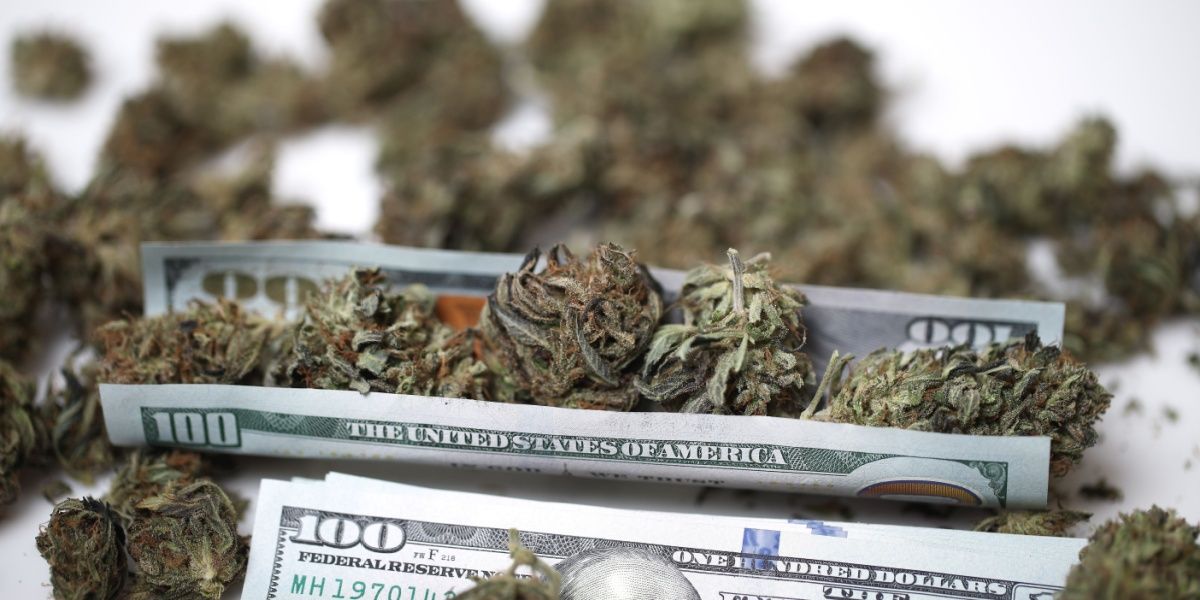
Cheap cannabis isn’t just about saving money. It can mean:
- Compromised safety
- Lower-quality ingredients
- Hidden contaminants
- Unpredictable effects
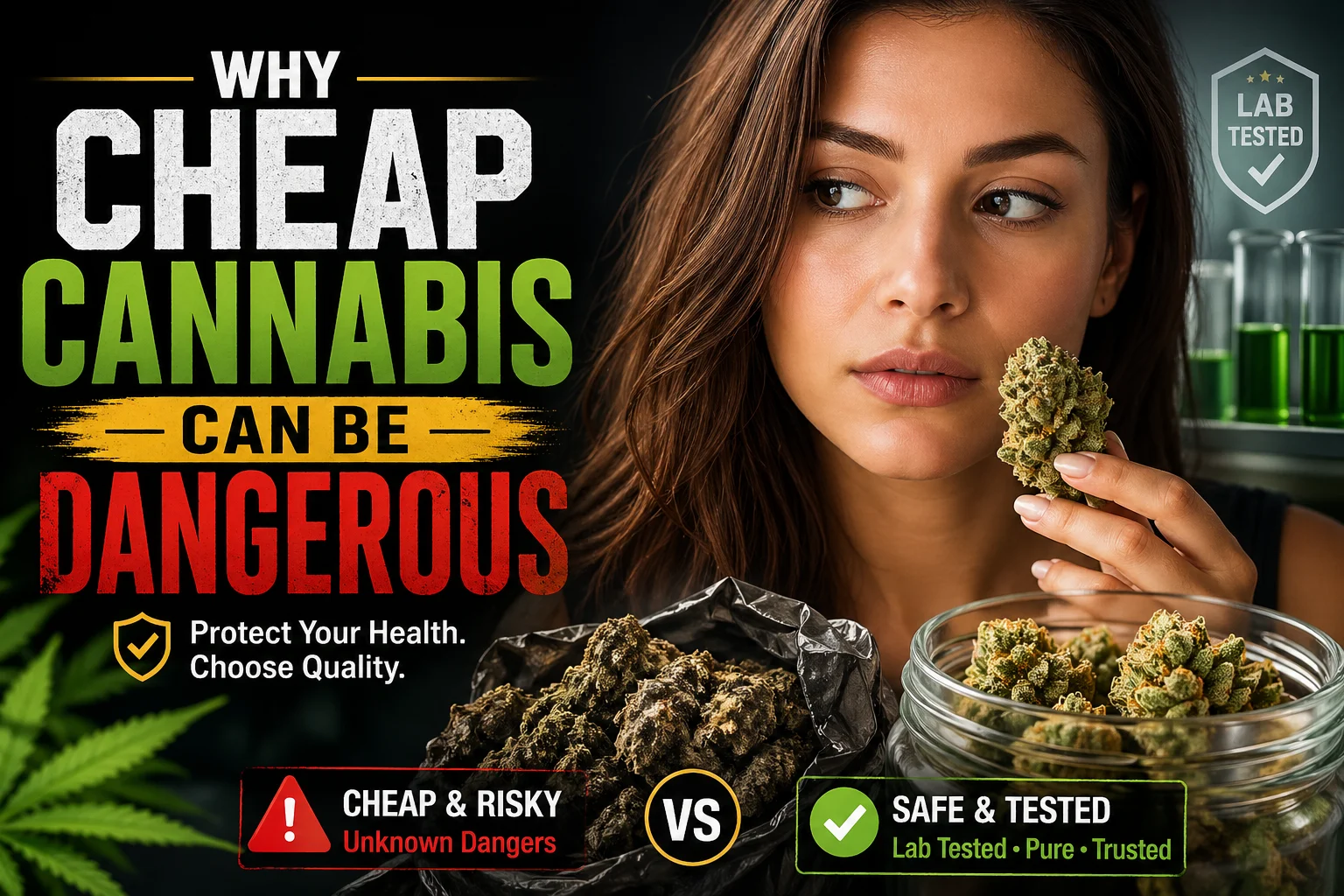
In this guide, we’ll break down exactly why cheap cannabis can be dangerous, how these risks happen, and how to protect yourself without overspending.
The Economics of Cheap Cannabis: Why It Exists
Before we dive into the dangers, it’s important to understand why cheap cannabis exists in the first place.
Oversupply in Legal Markets
In places like California, Oregon, and Colorado, cannabis production has outpaced demand. This leads to:
- Excess inventory
- Price drops
- Discounted or aging products
Black Market Competition
Even in legal states, illegal cannabis still competes aggressively on price because it:
- Avoids taxes
- Skips testing requirements
- Cuts production costs
Cost-Cutting by Low-End Producers
To offer lower prices, some producers reduce costs by:
- Using cheaper growing inputs
- Skipping quality control
- Rushing production cycles
And this is where the real problems begin.
If you’re trying to balance cost and quality, understanding the difference between budget and premium flower is essential. This guide on Cheap vs Premium THCA Flower in 2026 explains exactly what you should (and shouldn’t) pay for.
1. Pesticides: The Most Common Hidden Threat
Cannabis is a delicate plant that attracts pests like spider mites, aphids, and mold. To protect crops, growers often use pesticides but not all pesticides are safe.
What Happens in Cheap Cannabis Production?
Low-cost growers may use:
- Unregulated pesticides
- High-toxicity chemicals
- Products not approved for inhalation
Because cannabis is often smoked or vaporized, these chemicals don’t pass through digestion they go straight into your lungs.
Why This Is Dangerous
When heated, pesticide residues can:
- Break down into toxic compounds
- Irrate lung tissue
- Enter the bloodstream rapidly
Some pesticides have been linked to:
- Hormonal disruption
- Neurological effects
- Long-term toxicity risks
Real Issue: Lack of Enforcement
In regulated markets, testing exists but:
- Black market cannabis bypasses it entirely
- Some producers manipulate samples
- Not all regions enforce strict standards
2. Mold, Mildew, and Microbial Contamination
One of the most overlooked dangers of cheap cannabis is biological contamination.
How Mold Develops
Cannabis must be:
- Properly dried
- Carefully cured
- Stored in controlled humidity
Cheap cannabis is often:
- Rushed through drying
- Stored improperly
- Transported without climate control
This creates the perfect environment for:
- Mold
- Yeast
- Bacteria
Health Risks
When inhaled, mold spores can cause:
- Persistent coughing
- Lung infections
- Allergic reactions
For immunocompromised individuals, risks are significantly higher and can become serious.
Warning Signs Consumers Miss
Cheap cannabis with mold may:
- Smell musty or damp
- Look dusty or fuzzy
- Break apart too easily
But not all contamination is visible making lab testing essential.
3. Heavy Metals: The Silent Contaminant
Cannabis plants are known as bioaccumulators, meaning they absorb substances from their environment including harmful ones.
Sources of Heavy Metals
Cheap cannabis may be grown in:
- Contaminated soil
- Industrial areas
- Poor-quality growing mediums
Common contaminants include:
- Lead
- Arsenic
- Cadmium
- Mercury
Why This Is Dangerous
Heavy metals can accumulate in the body over time and are linked to:
- Kidney damage
- Neurological issues
- Developmental problems
Unlike pesticides, these aren’t easily removed and can remain in the final product.
4. Unsafe Extraction Methods in Cheap Concentrates
When it comes to vape carts, oils, wax, and shatter, the risks increase significantly.
Cheap Extraction Practices
Low-end producers may:
- Use impure solvents
- Skip proper purging processes
- Operate without safety standards
This can leave behind:
- Residual butane
- Ethanol impurities
- Chemical byproducts
Dangerous Additives in Vape Products
Some cheap vape cartridges may include:
- Thinning agents
- Synthetic additives
- Unknown cutting compounds
In the past, such additives have been associated with severe lung injuries.
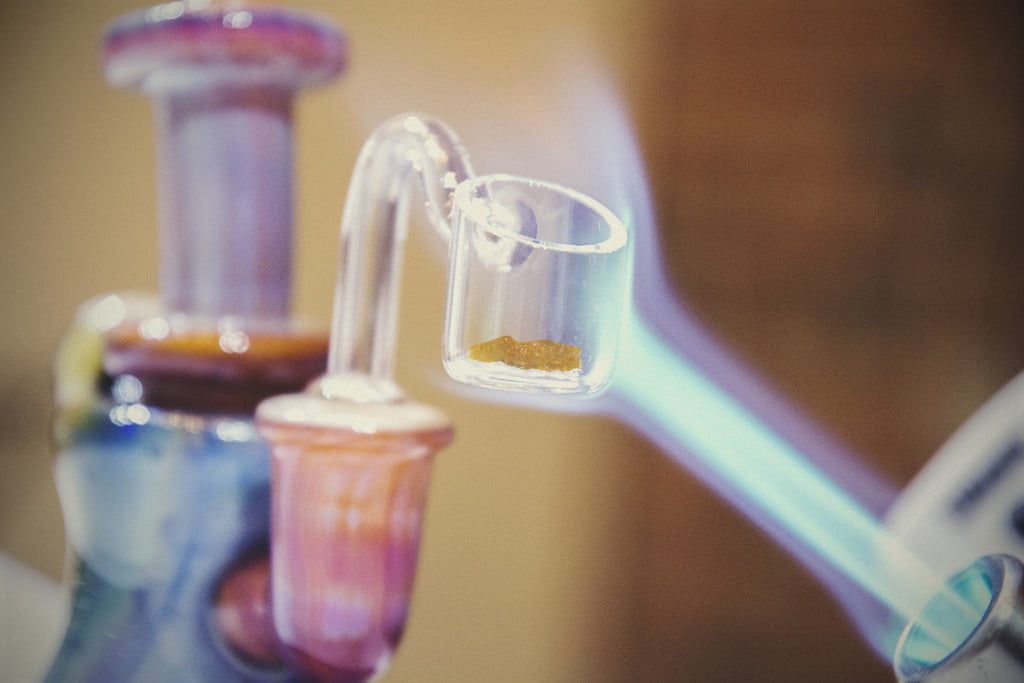
Cheap cannabis becomes even riskier when it comes to concentrates, as poor extraction methods can leave behind harmful residues and create uneven heating. That’s where understanding how terp pearls work can make a difference, since they help distribute heat more evenly and improve vapor quality during dabbing.
5. Synthetic Cannabinoids: A Serious Risk
Not all cannabis products are truly cannabis.
What Are Synthetic Cannabinoids?
These are lab-made chemicals designed to mimic THC but they can be:
- Much stronger
- Highly unpredictable
- Potentially dangerous
Where They Appear
Cheap or unregulated products may:
- Be sprayed with synthetic compounds
- Be mislabeled as natural cannabis
- Be sold in black-market vape carts or edibles
Risks
Synthetic cannabinoids have been linked to:
- Severe anxiety
- Hallucinations
- Rapid heart rate
- Hospitalization
This is one of the most serious dangers of extremely cheap cannabis.
6. Inconsistent Potency and Dosing
Another major issue with cheap cannabis is lack of consistency.
Why This Happens
Without proper testing and quality control:
- THC levels vary wildly
- Edibles may be unevenly infused
- Labels may be inaccurate
Real-World Impact
This can lead to:
- Taking too much unintentionally
- Experiencing anxiety or paranoia
- Poor or overwhelming highs
For beginners, this unpredictability can be especially uncomfortable.
Some low-cost cannabis products may contain synthetic or altered compounds instead of natural ones, which can lead to unpredictable effects. Understanding the differences in this exotic cannabinoids safety guide can help you avoid these potentially dangerous alternatives.
7. Poor Curing and Storage Practices
Curing cannabis properly takes time and time costs money.
Cheap Cannabis Often Skips This Step
Instead of slow curing, producers may:
- Dry cannabis too quickly
- Skip curing entirely
- Store in bulk without humidity control
Effects of Poor Curing
- Harsh smoke
- Reduced flavor and aroma
- Breakdown of cannabinoids
- Increased throat irritation
Degradation Over Time
Old cannabis can degrade into:
- Less effective compounds
- More sedative effects
- Unpleasant taste
Cheap cannabis is often older inventory being cleared out.
8. Fake Branding and Mislabeling
In the cannabis world, branding matters but it can also be faked.
Common Issues
Cheap products may:
- Copy well-known brands
- Use fake packaging
- Mislabel THC percentages
Why This Matters
You may think you’re buying a trusted product but instead:
- You’re consuming something untested
- You don’t know the real ingredients
- You have no safety assurance
9. Legal Risks and Consumer Protection
Cheap cannabis from unverified sources may also come with legal consequences.
Risks Include:
- Buying products that don’t meet legal standards
- Possessing unregulated substances
- Lack of recourse if something goes wrong
Licensed dispensaries offer consumer protection cheap, unverified sources do not.
10. The Real Cost of Cheap Cannabis
Let’s shift perspective.
Cheap cannabis might save you money upfront but the hidden costs can include:
- Health risks
- Wasted product
- Negative experiences
- Medical expenses in extreme cases
11. Why Quality Cannabis Costs More
Higher prices often reflect better practices, such as:
Controlled Cultivation
- Clean indoor environments
- Regulated nutrients
- Pest management without harmful chemicals
Proper Testing
- Third-party lab verification
- Transparency in results
Skilled Processing
- Safe extraction methods
- Careful curing and storage
Compliance Costs
Licensed producers must follow:
- Safety regulations
- Testing requirements
- Packaging laws
All of this adds to cost but also ensures safety.
While cheap cannabis might seem appealing, it often lacks the quality standards seen in premium products. If you want to explore safer, lab-tested options, this best THCA flowers in 2026 guide highlights some of the most reliable and high-quality choices available right now.
12. How to Identify Safe Cannabis
Here’s how to protect yourself as a consumer:
1. Always Check Lab Reports (COA)
Look for:
- THC/CBD levels
- Pesticide screening
- Heavy metal results
- Microbial testing
2. Inspect the Product
Good cannabis should:
- Smell fresh and strong
- Have visible crystals (trichomes)
- Feel slightly sticky
Avoid:
- Musty smells
- Powdery residue
- Excess dryness
3. Buy from Licensed Sellers
This reduces risk significantly.
4. Be Skeptical of Extreme Discounts
If it’s far cheaper than everything else, ask why.
13. Budget-Friendly Doesn’t Have to Mean Dangerous
Not all affordable cannabis is bad.
Safe Ways to Save:
- Buy during dispensary sales
- Choose smaller buds (“smalls”)
- Try lower THC options
- Purchase from reputable budget brands
14. The Psychology of Cheap Deals
Humans naturally associate:
Lower price = better deal
But with cannabis, this logic can fail because:
- Quality varies significantly
- Safety isn’t visible
- Risks aren’t immediate
Think of cannabis like food or medicine not just a commodity.
15. Final Thoughts: Informed Choices Matter
Cheap cannabis can be tempting but it often comes with trade-offs that aren’t worth the risk.
The Bottom Line:
- Not all cheap cannabis is dangerous
- But untested, unverified products are risky
- Safety should always come first
The goal isn’t to spend more it’s to choose smarter.
Because when it comes to cannabis:
What you don’t see can hurt you.
About the Author