Introduction
If you’ve been exploring cannabis products lately, you’ve probably noticed a new term popping up everywhere: THCA. From flower and vapes to concentrates and pre-rolls, THCA products are becoming one of the fastest-growing segments in the U.S. hemp market.
But what exactly is THCA? Is it legal? Does it get you high? And how is it different from THC?
If you’re new to cannabis or just trying to understand the hype, this in-depth guide will walk you through everything you need to know about THCA in 2026—clearly, simply, and without confusion.
What Is THCA?
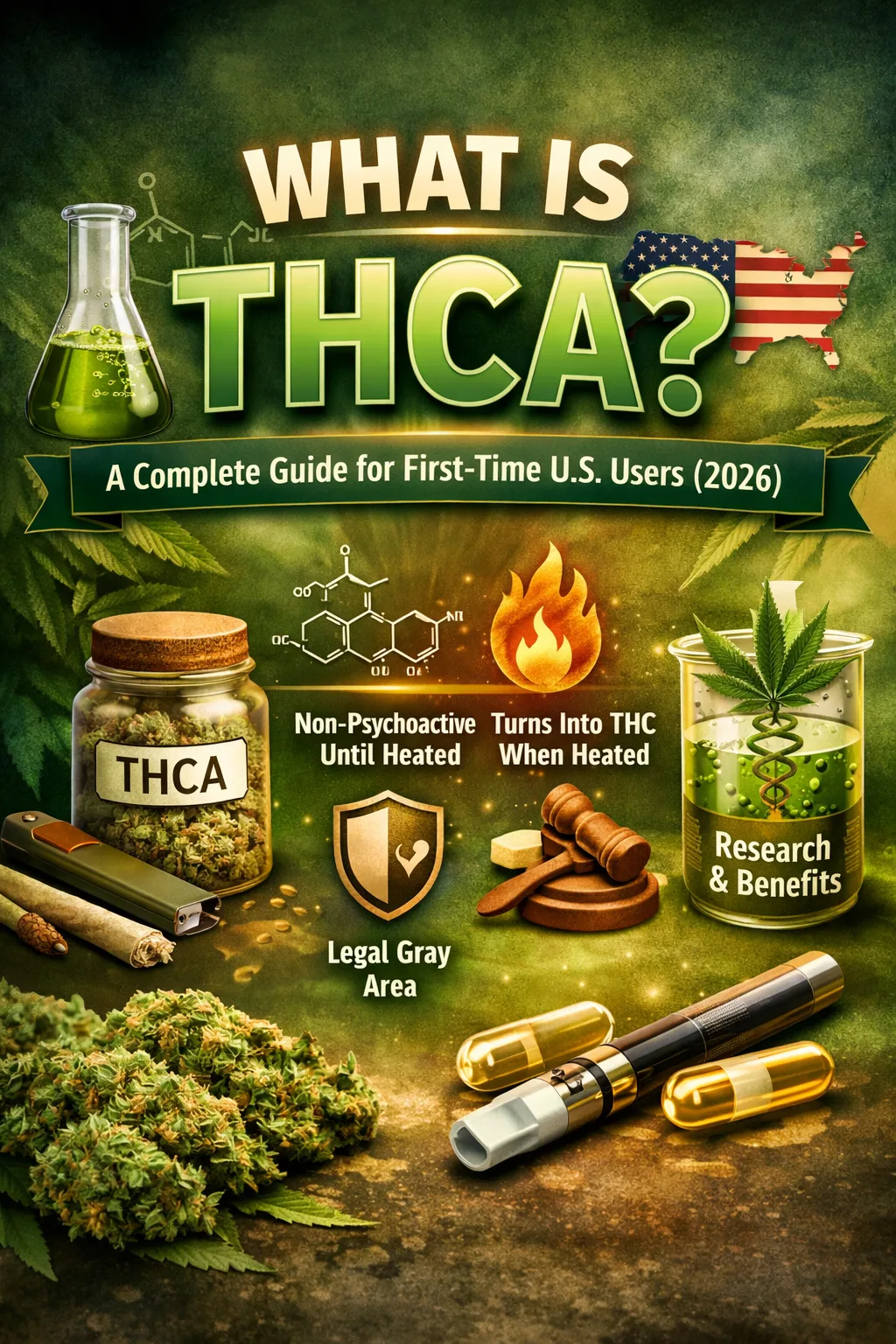
THCA (tetrahydrocannabinolic acid) is a naturally occurring cannabinoid found in raw and freshly harvested cannabis plants. It is the precursor to THC (tetrahydrocannabinol), the compound responsible for the psychoactive “high.”
In its natural state, THCA is non-psychoactive, meaning it does not produce intoxicating effects. However, when exposed to heat—such as through smoking, vaping, or cooking—THCA undergoes a chemical transformation and becomes THC.
This transformation is the key to understanding everything about THCA.
The Science Behind THCA (Simple but Clear)
Cannabis plants don’t actually produce THC directly. Instead, they produce THCA, which then converts into THC through a process called decarboxylation.
What is Decarboxylation?
Decarboxylation is a chemical reaction that occurs when THCA is exposed to heat. During this process:
- THCA loses a carboxyl group (COOH)
- This changes its molecular structure
- The compound becomes THC
This might sound technical, but the idea is simple:
Heat turns THCA into THC
Without heat, THCA remains inactive in terms of psychoactive effects.
THCA vs THC: Understanding the Real Difference
At first glance, THCA and THC might seem like completely different compounds—but they’re closely related.
| Feature | THCA | THC |
|---|---|---|
| Form | Raw, unheated | Activated (heated) |
| Psychoactive | No | Yes |
| Found in | Fresh cannabis | Smoked/vaped cannabis |
| Effect on mind | None or minimal | Euphoric, relaxing |
Key Insight:
- THCA is like a “sleeping version” of THC
- THC is the “active version”
Once activated, THCA behaves almost identically to THC.
While both come from the same plant, the real difference lies in activation—something explained in detail in this THCA vs THC flower comparison.
Why THCA Doesn’t Get You High (At First)
The reason THCA doesn’t produce a high comes down to how it interacts with your body.
The human body has an endocannabinoid system (ECS), which includes receptors like:
- CB1 receptors (mainly in the brain)
- CB2 receptors (mostly in the immune system)
THC binds strongly to CB1 receptors, which leads to:
- Euphoria
- Altered perception
- Relaxation
THCA, however:
- Does not bind efficiently to CB1 receptors
- Has a bulkier molecular structure
- Cannot trigger the same psychoactive response
Once THCA is converted into THC, it gains the ability to interact with these receptors—resulting in the familiar cannabis high.
How THCA Is Used in Real Life
Although THCA itself is non-psychoactive, most products are designed to activate it through heat.
Let’s break down the most common ways people use THCA:
1. THCA Flower
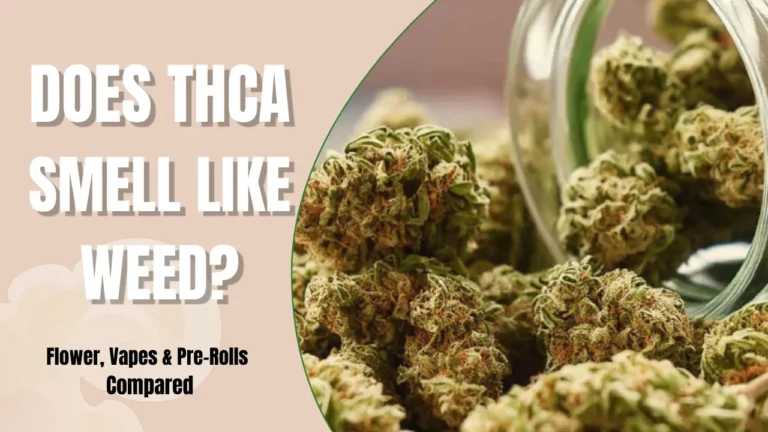
THCA flower looks identical to traditional cannabis buds. The difference lies in the chemical composition—it contains high levels of THCA rather than THC.
How it’s used:
- Smoked in a joint, pipe, or bong
- Vaporized using a dry herb vaporizer
What happens:
- Heat converts THCA into THC instantly
- You experience typical cannabis effects
This is the most popular form of THCA because it closely mirrors traditional marijuana.
If you’re unsure where to start, looking at popular THCA flower strains can help you understand what effects and flavors to expect.
2. THCA Pre-Rolls
Pre-rolls are simply THCA flower rolled into ready-to-use joints.
Why beginners like them:
- No preparation required
- Easy dosing
- Convenient
Effects are the same as smoking THCA flower.
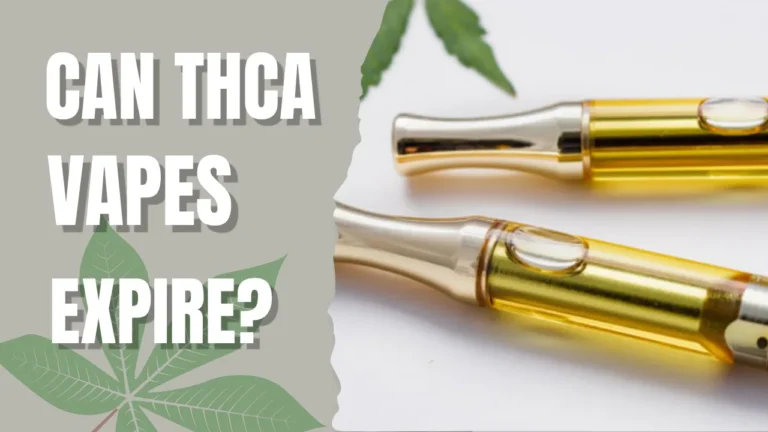
3. THCA Vapes
THCA vape cartridges and disposable devices are becoming increasingly popular.
Benefits:
- Fast onset (effects within minutes)
- Discreet and portable
- Controlled heating
Since vaping involves heat, THCA is converted into THC before inhalation.
4. THCA Concentrates
These include:
- THCA diamonds
- Live resin
- Wax and shatter
These products contain extremely high levels of THCA.
Important:
- Very potent
- Not recommended for beginners
Once heated, they deliver strong THC effects.
5. Raw THCA Consumption
Some users consume THCA without heating it.
Methods include:
- Juicing raw cannabis leaves
- THCA tinctures or capsules
Effects:
- No high
- Potential therapeutic benefits
This is more common among wellness-focused users rather than recreational ones.
THCA gummies are often misunderstood, so comparing [THCA gummies vs Delta 8 vs Delta 9 gummies] can help you see how effects and potency really differ.
Effects of THCA: What to Expect
When Used Raw (No Heat)
- No intoxication
- Possible mild body effects
- Subtle wellness support
When Heated (Converted to THC)
You can expect classic THC effects:
- Euphoria
- Relaxation
- Altered sensory perception
- Increased appetite (“the munchies”)
- Dry mouth and red eyes
The experience depends on:
- Dosage
- Product strength
- Individual tolerance
Why THCA Is So Popular in the U.S. (2026)
THCA’s rise is closely tied to U.S. cannabis laws—especially the 2018 Farm Bill.

What the Law Says
- Hemp is legal if it contains ≤ 0.3% Delta-9 THC
- THCA is not explicitly regulated at the federal level
The Loophole
Because THCA isn’t THC until heated:
- Products can be high in THCA
- But still meet legal hemp definitions
This has led to a booming market of THCA products sold as:
- “Legal cannabis alternatives”
- “Hemp-derived THC experiences”
The Legal Gray Area (Important to Understand)
While THCA may appear legal, the reality is more complex.
Federal Level:
- Generally permitted under hemp laws
State Level:
- Some states regulate total THC (THCA + THC combined)
- Others restrict or ban THCA products
Practical Risk:
- Law enforcement may treat THCA like marijuana
- Laws are evolving rapidly
Bottom line: Always check your state laws before buying or traveling with THCA.
Will THCA Show Up on a Drug Test?
Yes—and this is critical for many users.
Drug tests look for THC metabolites, not THCA itself.
What this means:
- If you heat THCA → it becomes THC
- Your body processes it like THC
- You may test positive
Even frequent raw use could carry some risk due to trace conversion.
Potential Benefits of THCA (Before Activation)
Research into THCA is still in early stages, but promising findings suggest it may offer:
1. Anti-Inflammatory Properties
May help reduce inflammation in the body.
2. Neuroprotective Effects
Potential support for brain health and neurological conditions.
3. Anti-Nausea Support
May help with nausea and appetite issues.
4. Appetite Stimulation
Useful for individuals struggling with appetite loss.
Important Note:
These benefits apply only to raw THCA. Once heated, the compound becomes THC and produces different effects.
Risks and Side Effects
When THCA is converted into THC, it carries typical cannabis risks:
- Anxiety or paranoia (especially at high doses)
- Dizziness
- Impaired coordination
- Short-term memory issues
Beginners should be cautious because:
THCA products can be just as potent as high-THC cannabis once activated.
How Strong Is THCA Compared to THC?
THCA itself isn’t “strong”—but once converted:
- 1 gram of high-THCA flower ≈ similar THC potency after heating
- Conversion is not 100%, but close enough to produce strong effects
This is why many users say THCA flower feels just like regular weed.
THCA flower is where most users start—and some of the top-rated strains in 2026 highlight just how potent and flavorful this category has become.
Beginner Tips for Using THCA
If you’re trying THCA for the first time:
1. Treat It Like THC
Assume it will get you high once heated.
2. Start Low
Take 1–2 small puffs and wait.
3. Choose the Right Product
- Best for beginners: flower or pre-rolls
- Avoid: concentrates and high-potency extracts
4. Use in a Safe Environment
Especially important for first-time psychoactive experiences.
5. Stay Hydrated
Helps reduce dry mouth and discomfort.
Common Myths About THCA
Myth 1: “THCA is totally different from THC”
Reality: It’s the precursor that turns into THC.
Myth 2: “THCA won’t get you high”
Reality: It will if heated.
Myth 3: “THCA is legal everywhere”
Reality: Laws vary by state and are changing.
Who Should Consider THCA?
Good Fit For:
- Curious beginners
- Hemp users exploring THC-like effects
- People wanting flexibility (raw vs heated use)
Not Ideal For:
- Those subject to drug testing
- People sensitive to THC
- Residents of strict cannabis states
THCA vs Other Cannabinoids
THCA vs CBD
- CBD: Non-psychoactive, widely legal
- THCA: Non-psychoactive until heated
THCA vs Delta-8
- Delta-8: Mild psychoactive
- THCA: Full THC effects after heating
THCA vs Delta-9 THC
- Delta-9: Already active
- THCA: Needs activation
The Future of THCA
As of 2026, THCA sits at the center of:
- Legal debates
- Market growth
- Consumer curiosity
Possible future developments:
- Stricter regulations
- Clearer legal definitions
- Increased research into medical uses
THCA may either become tightly regulated or fully integrated into mainstream cannabis markets.
While THCA offers a unique experience depending on how it’s used, many beginners also explore alternatives like Delta-8 edibles, which are known for producing a milder, more manageable high compared to traditional THC.
Final Thoughts
THCA is not just another cannabis trend it’s a fundamental part of how cannabis works.
The most important thing to remember is:
THCA is THC in its raw form what it becomes depends entirely on how you use it.
- Raw → non-psychoactive
- Heated → fully psychoactive
This dual nature is exactly why THCA is booming in the U.S. in 2026. It offers flexibility, accessibility, and a familiar experience all wrapped into one compound.
About the Author