
Introduction
If you’ve been exploring cannabis or hemp products lately, you’ve probably come across the term THCA and wondered what it actually does. Is it the same as THC? Will it get you high? And more importantly—how does it interact with your body?
Let’s break it all down in simple, clear language. No complicated jargon—just real science explained in a way that actually makes sense.
What Is THCA? (Start Here)
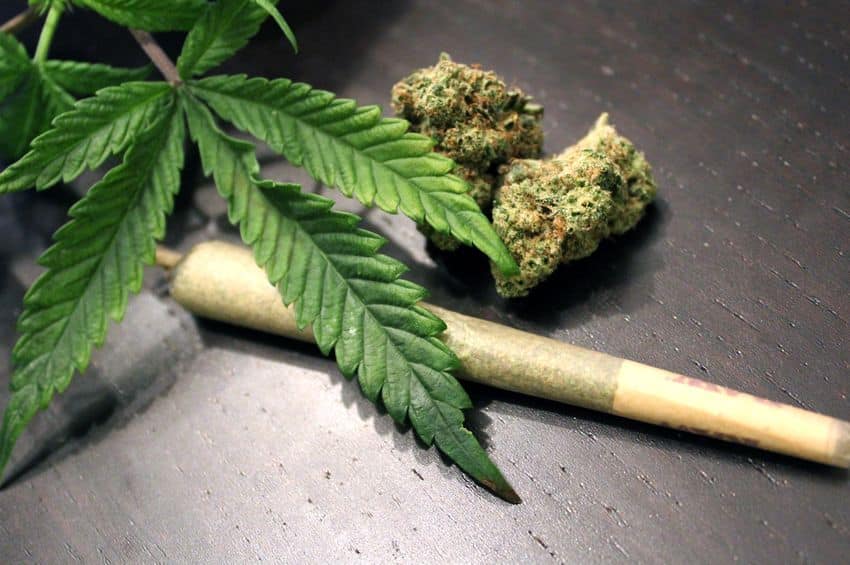
THCA stands for tetrahydrocannabinolic acid. It’s a natural compound found in raw cannabis plants. In fact, when cannabis grows, it doesn’t produce THC right away—it produces THCA first.
Think of THCA as the “raw” or inactive version of THC.
- Fresh cannabis flower = rich in THCA
- Heated cannabis (smoked, vaped, baked) = THCA turns into THC
This transformation is called decarboxylation, and it’s the key to understanding how THCA works.
Many users prefer starting with high-quality THCA flower products to better understand how this compound works in its natural form.
THCA vs THC: What’s the Real Difference?
Before we dive into how THCA works in your body, let’s clear up the biggest confusion.
| Feature | THCA | THC |
|---|---|---|
| Found in | Raw cannabis | Heated cannabis |
| Psychoactive? | No | Yes |
| Gets you high? | No | Yes |
| Main role | Potential wellness support | Euphoric effects |
Simple takeaway:
THCA doesn’t get you high unless it’s heated and converted into THC.
How THCA Enters Your Body
THCA can enter your body in a few different ways:
1. Raw Consumption
- Juicing raw cannabis leaves
- Adding fresh flower to smoothies
2. THCA Products
- THCA tinctures
- Capsules
- THCA flower (before heating)
3. Indirect (After Heating)
- Smoking or vaping THCA flower converts it into THC before it enters your body
Each method changes how your body processes THCA.
How THCA Works in Your Body (The Simple Science)
Now let’s get to the core question: What actually happens when THCA enters your system?
1. Interaction with the Endocannabinoid System (ECS)
Your body has a built-in system called the endocannabinoid system (ECS). It helps regulate things like:
- Mood
- Sleep
- Appetite
- Pain
- Immune response
The ECS has receptors—mainly CB1 and CB2.

Here’s where THCA behaves differently:
- THC strongly binds to CB1 receptors → causes a high
- THCA does not bind well to CB1 receptors
That’s why THCA doesn’t produce psychoactive effects.
For those not ready to try raw THCA, beginner-friendly Delta-8 gummies can be a great starting point thanks to their mild and predictable effects.
2. THCA Works Indirectly (Not Like THC)
Instead of directly activating cannabinoid receptors, THCA works more subtly.
It may:
- Influence enzymes in the body
- Interact with non-cannabinoid receptors
- Support overall balance (homeostasis)
Think of it like this:
THC = flipping a switch
THCA = gently adjusting the system
3. Anti-Inflammatory Potential
One of the most talked-about aspects of THCA is its potential role in inflammation.
Early research suggests THCA may:
- Help regulate inflammatory responses
- Support immune system balance
This is why some people explore THCA for:
- Joint discomfort
- Muscle recovery
- General wellness
4. Neuroprotective Properties
Some studies indicate THCA may support brain health.
Researchers are exploring its potential to:
- Protect nerve cells
- Reduce oxidative stress
- Support cognitive function
While research is still ongoing, this is one of the most exciting areas.
5. Nausea and Appetite Regulation
THCA may also play a role in:
- Reducing nausea
- Supporting appetite balance
This makes it interesting for individuals looking for non-intoxicating alternatives.
What Happens When THCA Is Heated?
This is where everything changes.
When THCA is exposed to heat (like smoking, vaping, or cooking), it undergoes decarboxylation.
The Process:
- Heat removes a chemical group (CO₂)
- THCA becomes THC
Result:
- Now it binds to CB1 receptors
- Produces psychoactive effects
So if you’re smoking THCA flower, you’re essentially consuming THC.
How Long Does THCA Stay in Your System?
This depends on how you use it.
Raw THCA (non-heated):
- May pass through the body relatively quickly
- Less likely to accumulate like THC
Heated (converted to THC):
- Can stay in your system for days or weeks
- Stored in fat cells like traditional THC
Factors that affect duration:
- Body metabolism
- Frequency of use
- Dosage
- Method of consumption
Benefits of THCA (Based on Early Research)
Let’s summarize the potential benefits people are interested in:
Non-psychoactive wellness support
Anti-inflammatory properties
Neuroprotective potential
Nausea relief support
Appetite regulation
Important:
Most of these benefits are still being studied. THCA is promising—but not fully proven yet.
Does THCA Have Side Effects?
THCA is generally considered well-tolerated, especially because it’s non-psychoactive.
However, possible side effects may include:
- Mild digestive discomfort (in raw forms)
- Sensitivity in some individuals
If converted to THC (through heat), side effects can include:
- Anxiety
- Dry mouth
- Drowsiness
Is THCA Legal?
This is where things get a bit complicated.
In some regions (like parts of the U.S.), THCA exists in a legal gray area because:
- It’s not THC in raw form
- But it can convert into THC
Laws often depend on:
- Total THC content after heating
- Local cannabis regulations
Always check your local laws before buying or using THCA products.
THCA vs CBD: How They Work Differently
People often compare THCA with CBD, but they work in distinct ways.
| Feature | THCA | CBD |
|---|---|---|
| Psychoactive | No | No |
| ECS interaction | Indirect | Indirect |
| Research level | Emerging | Extensive |
| Common use | Raw cannabis wellness | Broad wellness support |
CBD is more widely studied, but THCA is gaining attention quickly.
Edibles like gummies work differently—here’s a full breakdown of THCa gummies vs Delta-8/9 gummies and their effects.
Best Ways to Use THCA (Depending on Your Goal)
If You Want Non-Psychoactive Effects
- Use raw THCA products
- Avoid heating
If You Want THC Effects
- Smoke or vape THCA flower
- Cook it into edibles
If You Want Balanced Wellness
- Try tinctures or capsules
- Start with low doses
Who Should Consider THCA?
THCA may be worth exploring if you:
- Want cannabis benefits without the high
- Are sensitive to THC
- Prefer plant-based wellness options
- Are curious about emerging cannabinoids
Who Should Be Careful?
You should be cautious if you:
- Need to pass drug tests
- Are pregnant or breastfeeding
- Have underlying medical conditions
- Take medications that may interact
Always consult a healthcare professional if unsure.
The Future of THCA Research
THCA is still in the early stages of scientific study, but interest is growing fast.
Researchers are currently exploring:
- Its role in inflammation
- Neurological support
- Long-term safety
As cannabis science evolves, THCA could become a major player in wellness.
Final Thoughts: Is THCA Worth Understanding?
Absolutely.
THCA is one of the most misunderstood cannabinoids—but also one of the most interesting.
Here’s the simple truth:
- It’s the raw form of THC
- It doesn’t get you high on its own
- It interacts with your body in subtle, indirect ways
- It shows real potential for wellness support
Whether you’re new to cannabis or already experienced, understanding THCA gives you a smarter, more informed perspective on how cannabis works in your body.
About the Author