A NexGen Extracts Honest Guide to Delta-9 THC
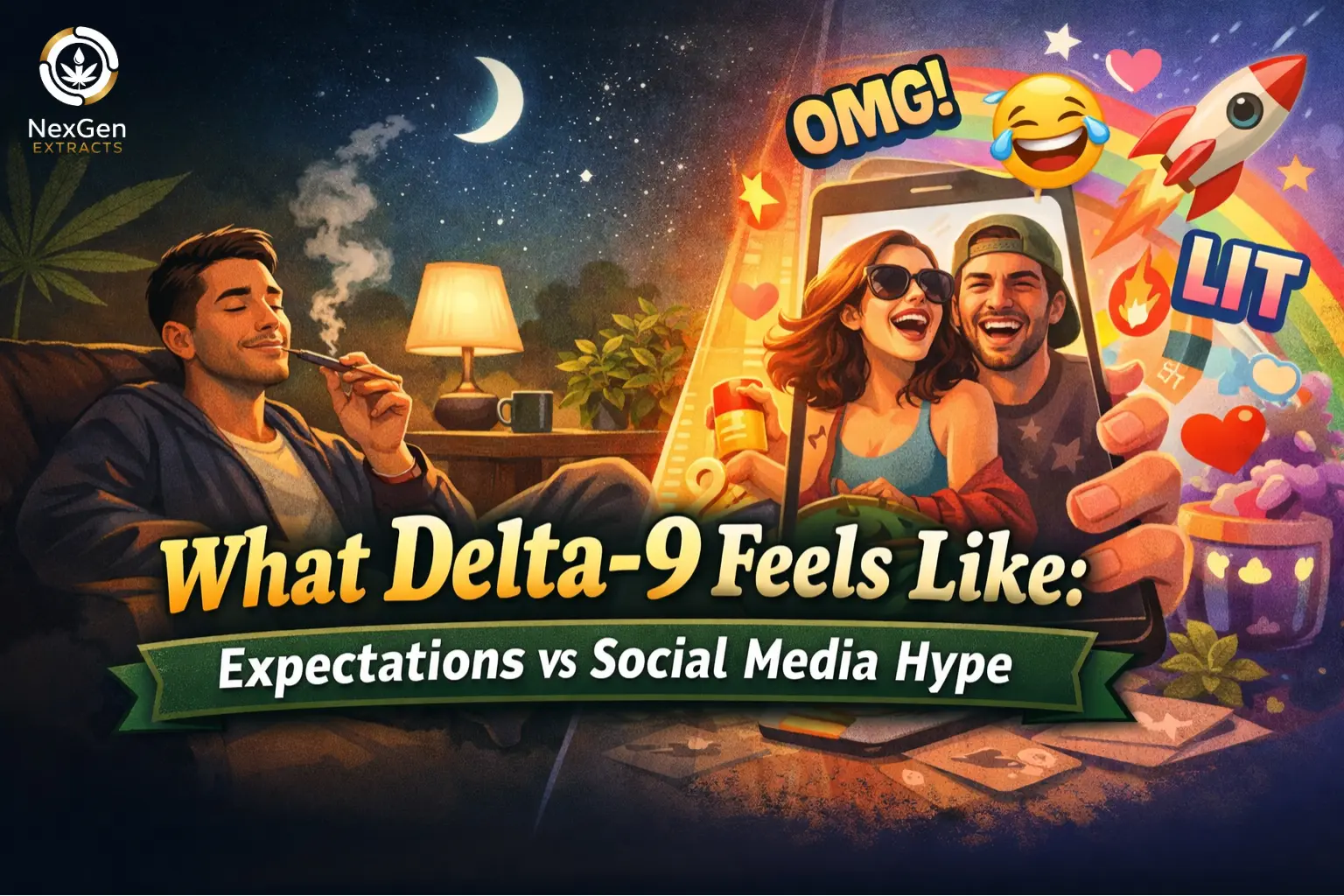
Delta-9 THC has become more than a cannabinoid. It is now a cultural topic, a marketing magnet, and a social media talking point. Short videos and glamorous posts often portray Delta-9 as either life-changing magic or something overwhelming and extreme. The truth, as usual, sits somewhere in the middle.
Delta-9 is powerful and meaningful for many people. It can also be intense, unpredictable, or simply more ordinary than expected depending on the context. Understanding what Delta-9 really feels like—and how it compares to other cannabinoids—is the key to setting realistic expectations rather than chasing internet hype.
This guide breaks down what Delta-9 actually is, what it commonly feels like, what influences the experience, how it compares to Delta-8, THCA flower, HHC, CBD and more, and where it fits within the modern hemp and cannabis market.
First things first: What is Delta-9 THC?
Delta-9 tetrahydrocannabinol is the primary psychoactive compound in traditional cannabis. It is the molecule most responsible for the “high” associated with marijuana.
It interacts with the body’s endocannabinoid system, particularly CB1 receptors in the brain, influencing mood, sensory perception, memory, stress responses, and appetite. While many cannabinoids exist, Delta-9 remains the best known and most researched.
Delta-9 can be found in:
- marijuana flower
- some hemp-derived edibles formulated legally within regulations
- concentrates and vapes in legal markets
Its reputation, however, is shaped as much by storytelling and social media as by science.
What Delta-9 actually feels like
No single description fits everyone. Body chemistry, product type, environment, and mindset all matter. But most people describe Delta-9 using similar themes.
1. A noticeable change in perception
Colors may seem brighter, music deeper, food more appealing, and conversations funnier or more layered. Sensory enhancement is one of Delta-9’s defining characteristics.
2. Relaxation or mental softening
Many people report:
- easing of mental tension
- feeling less “on edge”
- emotional unwinding
This is one reason Delta-9 is associated with evenings and downtime.
3. Euphoria and uplift
A light to moderate mood boost is common. Laughter comes easier. Thoughts may feel more creative or playful. The internet focuses heavily on this effect—sometimes exaggerating it.
4. Physical heaviness or body calm
Some users experience body warmth, loosened muscles, or “melt into the couch” relaxation, especially with indica-leaning products.
5. Time perception changes
Minutes can feel longer than they are, which is often referenced in humor but is genuinely part of many Delta-9 experiences.
Yes, there can also be less-than-pleasant effects
Social media rarely talks about this part, but honesty matters.
Some people experience:
- temporary anxiety or racing thoughts
- dry mouth or red eyes
- short-term memory fog
- drowsiness or sluggishness later
- increased heart awareness
These effects are not guaranteed, but they exist. The experience is not always cinematic or perfect, despite how it is presented online.
Why social media hype rarely matches real life
Short videos reward extremes, not balance. Content creators highlight:
- “strongest ever” claims
- wild reactions
- perfect aesthetic setups
- exaggerated euphoria
What viewers don’t see are:
- normal, uneventful experiences
- quiet relaxation
- the person falling asleep early
- mild effects that simply feel “okay”
As with fitness, travel, and food, the loudest stories get the spotlight, but they do not represent the average user.
What shapes a Delta-9 experience more than people realize
Several variables strongly influence how Delta-9 feels.
Product type
Flower, edibles, vapes, beverages, and tinctures all differ in onset, duration, and intensity.
Environment
Calm, familiar settings tend to feel different from chaotic or stressful ones.
Mindset going in
Expectations influence perception. People primed for “crazy powerful” experiences may interpret sensations through that lens.
Individual biology
Endocannabinoid balance, metabolism, experience level, and sleep all play roles.
These factors explain why two people using similar products may report completely different stories.
Delta-9 vs. other cannabinoids: How does it actually compare?
To understand Delta-9’s place in the wider market, it helps to compare it with other common cannabinoids.
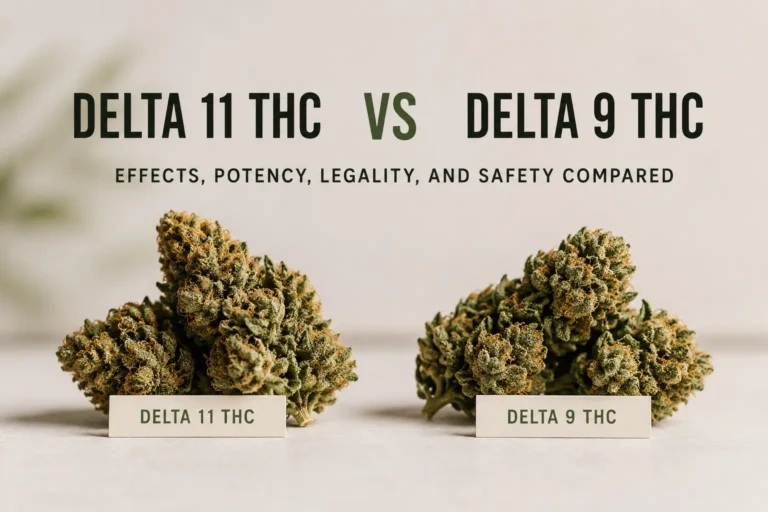
Delta-9 vs Delta-8 THC
Delta-8 has surged in popularity, especially in hemp-derived gummies and vapes.
Delta-9
- typically stronger
- more cerebral and euphoric
- greater potential for intensity
Delta-8
- smoother, “indica-like” calm
- more body relaxation
- often described as lighter or mellower
Many consumers think of Delta-8 as Delta-9’s relaxed cousin, appealing to people seeking gentler experiences.
Delta-9 vs THCA flower
THCA flower contains THCA that converts to Delta-9 THC when heated.
- Both ultimately become Delta-9 in the body when smoked or vaporized
- THCA flower lives in a different regulatory category
- Experience can feel comparable depending on terpene and cannabinoid profile
What differs most is market channel and legal classification, not necessarily sensation.
Delta-9 vs CBD
CBD is non-intoxicating and operates differently in the body.
CBD
- calm without head change
- often used during the daytime
- sometimes counters intensity
Delta-9
- offers clear psychoactive effects
- more pronounced mood shift
Some users combine CBD and Delta-9 in the same routine for balance, though responses vary widely.
Delta-9 vs HHC and emerging cannabinoids
HHC and other minor cannabinoids occupy evolving market niches.
Consumers often describe:
- HHC as somewhere between Delta-8 and Delta-9
- newer cannabinoids as experimental or variable
Delta-9 remains the benchmark against which everything else is compared, largely because of familiarity and research history.
How Delta-9 fits in the modern cannabis and hemp market
The Delta-9 conversation today is shaped by three overlapping trends:
1. Legal and regulatory evolution
Different regions treat Delta-9, hemp-derived cannabinoids, and marijuana differently. This has created multiple overlapping markets rather than one unified system.
2. Product innovation
Delta-9 now appears in:
- edibles and gummies
- beverages
- vapes
- chocolates
- tablets and tinctures
This variety allows consumers to choose experiences that match lifestyle and comfort level.
3. Culture shift toward normalization
Delta-9 is moving from taboo topic to household conversation. Wellness culture, public discourse, and mainstream media all contribute to this shift.
Realistic expectations: what Delta-9 is and what it is not
What Delta-9 is
- a psychoactive cannabinoid with noticeable effects
- highly experience-dependent
- capable of relaxation, laughter, introspection, or sensory enhancement
What Delta-9 is not
- guaranteed euphoria every time
- a one-size-fits-all experience
- accurately represented by exaggerated online clips
Most real-world Delta-9 experiences are ordinary, calm, personal, and nuanced rather than extreme.
The role of responsibility and self-awareness
Part of setting realistic expectations is recognizing limits and context. People vary enormously in how they respond to cannabinoids. Self-awareness, patience, and respect for the experience go a long way.
Balanced conversations help move the cannabis industry forward—away from fear-based stigma on one side and hype-driven exaggeration on the other.
The future of Delta-9: less myth, more maturity
The market is moving toward:
- terpene-driven experiences rather than THC-number obsession
- education-focused brands
- realistic, lifestyle-aligned messaging
- broader acceptance paired with smarter consumer choices
As consumers become more informed, Delta-9 is increasingly viewed not as a shock factor, but as one tool among many cannabinoids, used intentionally depending on situation and preference.
Final thoughts
Delta-9 THC does not always look like social media promises. It is not always wild or cinematic. For many people, it is quieter, calmer, more reflective, or simply pleasantly relaxing. For others, it can feel intense or uncomfortable in certain contexts.
The real story of Delta-9 lives in nuance: body chemistry, environment, product type, mindset, and expectations. Understanding those factors allows consumers to approach Delta-9 realistically instead of chasing exaggerated hype.
In the broader world of cannabinoids—Delta-8, CBD, HHC, THCA flower, and more—Delta-9 remains a central figure. Not because it is the loudest, but because it is familiar, complex, and deeply woven into cannabis history and culture.
About the Author