
Introduction
As cannabis-derived products continue to evolve, two compounds are getting a lot of attention: THCA (tetrahydrocannabinolic acid) and CBD (cannabidiol). If you’re new to cannabinoids—or even if you’ve been exploring them for a while—you might be wondering: What’s the difference between THCA and CBD, and which one is right for you?
The answer isn’t one-size-fits-all. Both THCA and CBD offer unique benefits, different effects, and distinct use cases. In this comprehensive guide, we’ll break everything down in simple terms so you can make an informed decision.

What Is THCA?
THCA is the raw, non-psychoactive precursor to THC, the compound most commonly associated with the “high” from cannabis. It is found in freshly harvested cannabis plants and remains inactive unless exposed to heat.
Key Characteristics of THCA:
- Non-psychoactive in its raw form
- Converts to THC when heated (a process called decarboxylation)
- Found in raw cannabis flower, juices, and unheated extracts
How THCA Works
THCA interacts with your body’s endocannabinoid system (ECS), which regulates functions like mood, sleep, appetite, and inflammation. Unlike THC, THCA doesn’t strongly bind to CB1 receptors in the brain, which is why it doesn’t produce a high unless heated.
Potential Benefits of THCA
While research is still emerging, early findings and anecdotal evidence suggest THCA may:
- Help reduce inflammation
- Support neuroprotective functions
- Ease nausea
- Provide mild pain relief
What Is CBD?
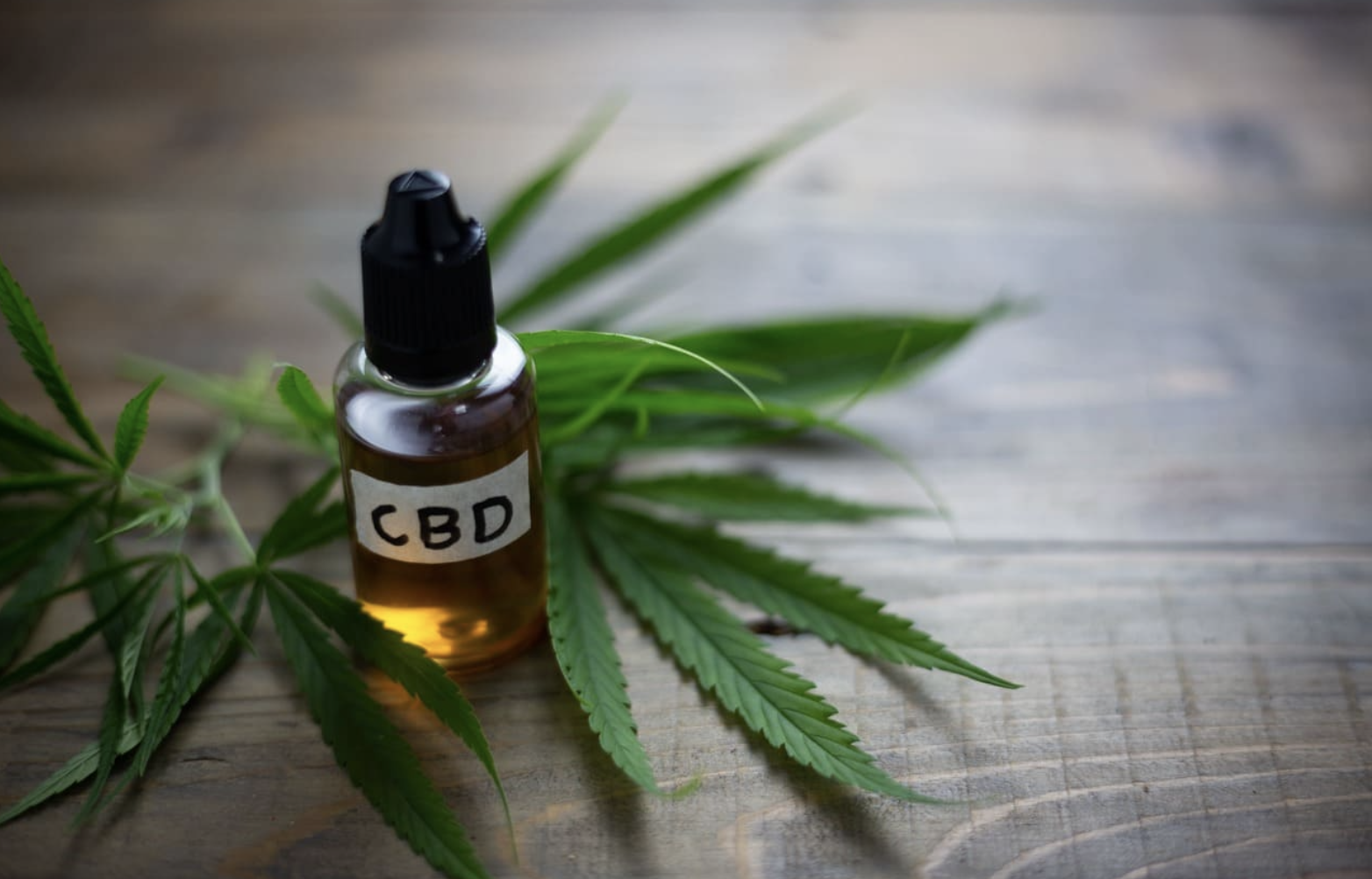
CBD, or cannabidiol, is one of the most widely used cannabinoids—and for good reason. It’s non-psychoactive, well-studied, and widely available in various forms like oils, gummies, capsules, and topicals.
Key Characteristics of CBD:
- Non-intoxicating
- Does not convert into THC
- Derived from hemp or cannabis plants
- Legal in many regions when derived from hemp
How CBD Works
CBD also interacts with the endocannabinoid system but in a different way than THCA. Instead of binding directly to cannabinoid receptors, CBD influences them indirectly, helping regulate bodily functions and maintain balance.
Potential Benefits of CBD
CBD has been studied more extensively than THCA and may help with:
- Anxiety and stress
- Chronic pain
- Sleep disorders
- Seizures (FDA-approved in some medications)
- General wellness and relaxation
While CBD is known for its gentle, non-intoxicating effects, some users prefer slightly more noticeable relaxation. In such cases, products like Delta-8 may offer a middle ground. You can explore some of the top-rated options in this guide on best Delta-8 gummies .
THCA vs CBD: Key Differences
Understanding the core differences between THCA and CBD can help you choose the right one for your needs.
1. Psychoactivity
- THCA: Non-psychoactive unless heated
- CBD: Always non-psychoactive
If avoiding a high is your priority, both are safe—but THCA requires careful handling to stay non-psychoactive.
2. Chemical Behavior
- THCA converts into THC when exposed to heat
- CBD remains stable and does not convert into THC
This makes CBD more predictable in terms of effects.
3. Availability and Forms
- THCA: Raw flower, pre-rolls, live extracts
- CBD: Oils, gummies, capsules, creams, vapes
CBD offers more versatility and convenience.
4. Legal Status
- CBD is widely legal when derived from hemp (under 0.3% THC in the U.S.)
- THCA exists in a legal gray area, especially since it can convert into THC
Always check local laws before purchasing.
5. Research and Evidence
- CBD: Backed by extensive research
- THCA: Limited but promising research
CBD is currently the safer bet if you prefer well-documented effects.
Benefits Comparison: THCA vs CBD
Pain Relief
- CBD is widely used for chronic pain and inflammation
- THCA may offer anti-inflammatory benefits but needs more research
Winner: CBD (for now)
Anxiety and Stress
- CBD is well-known for calming effects
- THCA is not typically used for anxiety
Winner: CBD
Anti-Inflammatory Properties
-
Both compounds show promise in reducing inflammation
Winner: Tie (though CBD has more evidence)
Neuroprotective Effects
-
Early studies suggest both may support brain health
Winner: Tie
Nausea and Appetite
- THCA may help reduce nausea
- CBD may help regulate appetite and digestion
Winner: Depends on your goal
Who Should Choose THCA?
THCA might be the better choice if you:
- Prefer raw, plant-based cannabis products
- Want potential anti-inflammatory or neuroprotective benefits
- Are curious about full-spectrum cannabis in its natural state
- Don’t mind carefully controlling heat exposure
Important Note:
If you smoke or vape THCA flower, it will convert into THC—resulting in psychoactive effects.
For those interested in trying it firsthand, reviewing some of the top-rated THCA flower strains available today can make it easier to choose a product that fits your preferences.
Who Should Choose CBD?
CBD is likely the better option if you:
- Want consistent, non-intoxicating effects
- Are managing anxiety, stress, or sleep issues
- Prefer easy-to-use products like oils or gummies
- Need something legally accessible in most areas
Can You Take THCA and CBD Together?
Yes, and in some cases, combining them may enhance benefits through what’s known as the entourage effect where cannabinoids work better together than alone.
Potential Advantages of Combining:
- Broader therapeutic effects
- Balanced impact on the endocannabinoid system
- Reduced risk of side effects
However, always start with low doses and monitor how your body reacts.
Safety and Side Effects
THCA Side Effects
- Minimal in raw form
- Possible psychoactive effects if heated
- Limited research on long-term safety
CBD Side Effects
- Dry mouth
- Drowsiness
- Possible interaction with medications
Always consult a healthcare professional if you’re on medication or have underlying conditions.
How to Choose Between THCA and CBD
Still unsure? Ask yourself these questions:
1. Do you want a psychoactive effect?
- Yes → THCA (when heated)
- No → CBD or raw THCA
2. What’s your primary goal?
- Anxiety, stress, sleep → CBD
- Inflammation, raw cannabis benefits → THCA
3. How do you prefer to consume?
- Edibles, oils, capsules → CBD
- Raw flower or fresh cannabis → THCA
4. Are you concerned about legality?
- Yes → CBD is generally safer
- No → You can explore both options
Beginner Tips
If you’re just starting out:
- Begin with CBD for a predictable experience
- Use low doses and increase gradually
- If trying THCA, avoid heating if you don’t want THC effects
- Buy from reputable brands with third-party lab testing
The Future of THCA and CBD
CBD has already established itself as a mainstream wellness product, while THCA is still emerging. As research grows, we’ll likely see more THCA-specific products and clearer regulations.
The cannabis industry is rapidly evolving, and both compounds are expected to play major roles in personalized wellness.
If legality is a concern when choosing between THCA and CBD, it’s important to understand how laws differ across the U.S. This guide on Is CBD Actually Legal in All 50 States? (2026 Reality Check for Americans) can help you make a safer, more informed choice.
Final Verdict: THCA vs CBD
There’s no universal winner—it all depends on your needs.
- Choose CBD if you want a reliable, non-psychoactive, and well-researched option for everyday wellness.
- Choose THCA if you’re interested in raw cannabis benefits and don’t mind navigating its unique properties.
For many users, starting with CBD and gradually exploring THCA is the most practical approach.
Conclusion
THCA and CBD are both powerful cannabinoids with unique benefits. While CBD dominates the wellness space thanks to its accessibility and research backing, THCA offers exciting potential—especially for those interested in raw cannabis and alternative therapeutic effects.
The best choice ultimately comes down to your personal goals, lifestyle, and comfort level. Take your time, do your research, and start slow. With the right approach, both THCA and CBD can become valuable tools in your wellness journey.
About the Author