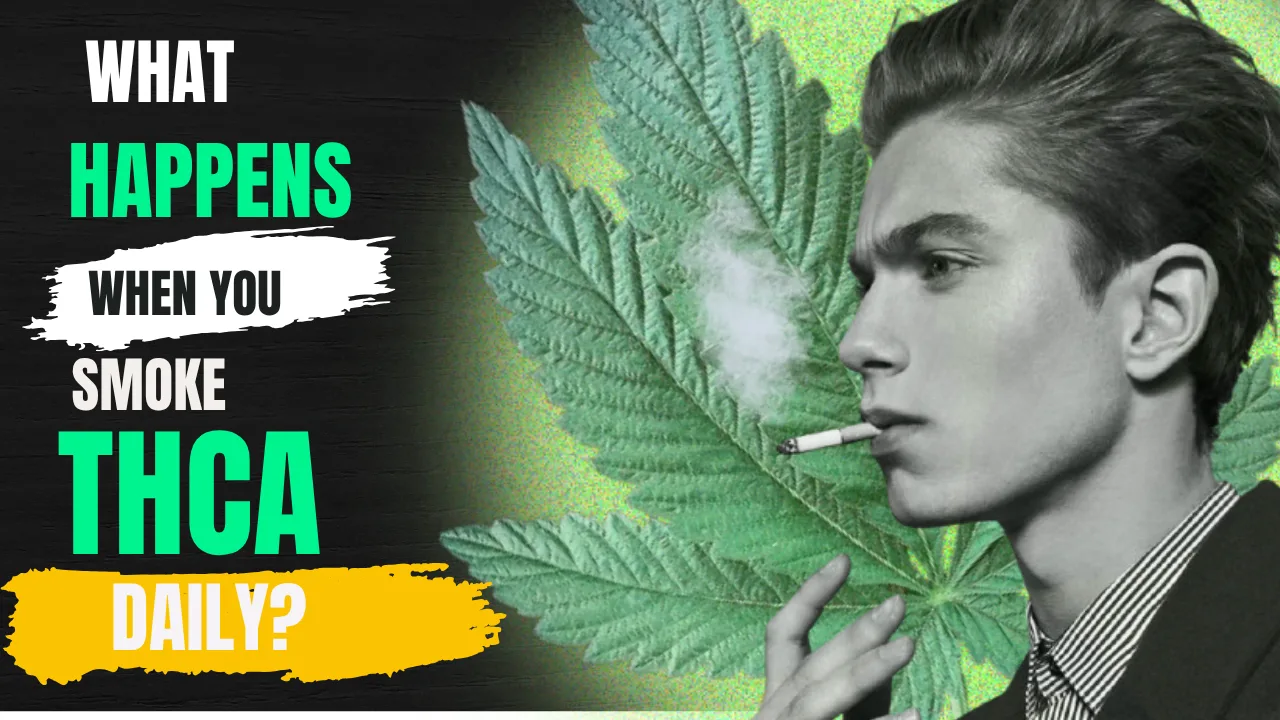
The cannabis world changes fast. One year everyone is talking about CBD, then Delta-8, then live resin, and now THCA is taking over smoke shops, dispensaries, and online discussions. But as more people start smoking THCA flower every day, one important question keeps coming up:
What actually happens when you smoke THCA daily?
Some people say it helps them relax, sleep better, and manage stress. Others claim daily THCA use leaves them foggy, tired, unmotivated, or dependent on it just to feel normal. The truth sits somewhere in the middle and understanding it matters if you use THCA regularly.
“If you’re new to THCA products, choosing high-quality flower matters just as much as understanding the effects of daily use. You can explore some of the most popular strains in this guide to Best THCA Flower of 2026
In this guide, we’ll break down:
- What THCA really is
- How it affects your body and brain
- What daily smoking may do short-term and long-term
- Potential benefits and side effects
- Tolerance, dependence, and mental clarity
- What science currently says
- Whether daily THCA use is sustainable
This article is written in simple, human language so you can actually enjoy reading it while learning something useful.
What Is THCA?
Before we talk about daily use, let’s clear up the biggest confusion.
THCA stands for tetrahydrocannabinolic acid. It’s the raw, natural cannabinoid found in fresh cannabis plants.
By itself, THCA is non-psychoactive. That means raw THCA won’t normally make you feel “high.”
But when you smoke it, heat changes THCA into THC through a process called decarboxylation.
In simple words:
- Raw THCA = not intoxicating
- Burned/heated THCA = becomes THC
- THC = psychoactive compound that creates the high
So if you smoke THCA flower daily, you are essentially exposing your body to THC regularly.
That’s the key thing many people misunderstand.
Why THCA Flower Became So Popular
THCA products exploded in popularity because they often exist in a legal gray area in many places.
People love THCA flower because:
- It looks and smells like traditional cannabis
- It can produce strong effects when smoked
- It may be federally legal under certain hemp laws
- It’s widely available online
- Some strains test extremely high in THCA percentages
For many users, THCA feels almost identical to regular weed once smoked.
That’s why daily THCA smoking has become common especially among people seeking relaxation, stress relief, creativity, or sleep support.
As hemp-derived cannabinoids continue growing in popularity, many consumers are also wondering whether Delta-8 products are still legally available. If you’re confused about the latest laws, check out our complete guide on Is Delta-8 THC Still Legal in 2026? (Where You Can Still Buy Safely Without Second Guessing).
What Happens in Your Body When You Smoke THCA Daily?
Once THCA is heated and converted into THC, it interacts with your endocannabinoid system.
This system helps regulate:
- Mood
- Appetite
- Sleep
- Stress response
- Memory
- Pain perception
- Motivation
THC mainly binds with CB1 receptors in the brain. Daily exposure changes how these receptors respond over time.
At first, the experience may feel positive:
- Calmness
- Euphoria
- Better sleep
- Enhanced music or food enjoyment
- Reduced stress
But with daily use, your body starts adapting.
That’s when long-term patterns begin to show.
The First Week of Smoking THCA Daily
For many users, the first few days feel enjoyable.
Common experiences include:
- Deep relaxation
- Easier sleep
- Increased appetite
- Mood boost
- Reduced anxiety in some situations
- Enhanced entertainment experiences
Some users report feeling:
- More creative
- More social
- Less mentally overwhelmed
However, side effects can appear quickly too.
Early Side Effects
- Dry mouth
- Red eyes
- Increased hunger
- Slower reaction time
- Short-term memory lapses
- Grogginess the next morning
People with low THC tolerance may also experience:
- Anxiety
- Rapid heartbeat
- Paranoia
- Mental fog
This varies heavily depending on:
- Dosage
- Potency
- Strain
- Frequency
- Personal body chemistry
Week Two: Tolerance Starts Building
Here’s where things change.
If you smoke THCA daily, your brain starts adjusting to regular THC exposure. This process is called tolerance.
Tolerance means:
- The same amount feels weaker
- You may smoke more to feel the same effects
- Sessions become less intense over time
This is extremely common among daily cannabis users.
At first:
-
One hit feels powerful
Later:
-
Multiple sessions may feel “normal”
Many users don’t notice this shift happening because it builds gradually.
If you’re completely new to THCA, check out our guide on What Is THCA? A Complete Guide for First-Time U.S. Users (2026) before diving deeper into daily effects.
How Daily THCA Use Affects Your Brain
One of the biggest concerns around daily THCA smoking is cognitive performance.
Again, the issue isn’t raw THCA itself — it’s the THC created when smoking.
Daily THC exposure may affect:
Memory
Short-term memory problems are one of the most reported effects.
You may notice:
- Forgetting conversations
- Losing track of tasks
- Misplacing things
- Reduced focus
Heavy daily users sometimes describe this as “brain fog.”
Motivation
Some users feel productive while high.
Others notice:
- Lower drive
- Delayed responsibilities
- Reduced ambition
- Increased procrastination
This doesn’t happen to everyone, but frequent THC use can influence dopamine signaling related to motivation and reward.
Attention Span
Daily smoking may make concentrating harder for some individuals, especially during work or study.
You might experience:
- Distractibility
- Mental drifting
- Slower processing speed
Again, effects vary by person.
What Happens to Your Lungs?
Smoking anything daily affects the lungs.
That includes:
- Cannabis
- THCA flower
- Tobacco
- Herbal smoke
Even though cannabis smoke differs from cigarettes, inhaling burnt plant material regularly can still irritate airways.
Common effects include:
- Coughing
- Phlegm buildup
- Dry throat
- Chest irritation
- Wheezing in sensitive users
Some heavy smokers notice morning coughing routines over time.
Does THCA Smoking Damage Lungs?
Research is still evolving, but combustion itself creates irritants.
Daily smoking may increase:
- Airway inflammation
- Bronchial irritation
- Respiratory discomfort
People who want to reduce harm sometimes switch to:
- Vaporizers
- Edibles
- Lower-frequency use
Daily THCA and Sleep
This is where opinions become divided.
Many people smoke THCA flower every night because it helps them fall asleep faster.
Short-term benefits may include:
- Faster sleep onset
- Relaxation
- Reduced racing thoughts
But over time, daily THC use may alter sleep architecture.
Some studies suggest long-term heavy use can affect:
- REM sleep
- Dream patterns
- Sleep quality without cannabis
That’s why some daily users eventually feel they need THC to sleep normally.
When they stop, they may temporarily experience:
- Insomnia
- Vivid dreams
- Restlessness
This rebound effect is very common during tolerance breaks.
Can You Become Dependent on THCA?
This is an important topic.
THCA itself isn’t considered addictive in the same way as nicotine or opioids. But daily THC exposure can absolutely lead to cannabis dependence in some people.
Signs may include:
- Needing it to relax
- Difficulty sleeping without it
- Cravings
- Irritability when stopping
- Smoking automatically out of habit
- Increased tolerance
Dependence doesn’t mean someone’s life is destroyed. It simply means the body and mind become accustomed to regular use.
Some people can use daily without major problems.
Others gradually feel controlled by the routine.
What Happens If You Stop After Daily Use?
Many daily THCA smokers eventually take a break.
The first few days can feel uncomfortable depending on usage level.
Possible withdrawal symptoms include:
- Irritability
- Sleep problems
- Reduced appetite
- Mood swings
- Anxiety
- Restlessness
- Strange dreams
These symptoms are usually temporary.
For most people:
- Peak discomfort happens within the first week
- Improvement begins after several days
- Sleep gradually normalizes
Not everyone experiences withdrawal, but it’s common among heavy daily users.
Daily THCA Use and Anxiety
This topic is complicated because THC affects people differently.
Some users say THCA flower helps them:
- Relax socially
- Calm anxious thoughts
- Feel emotionally lighter
Others experience the opposite:
- Racing thoughts
- Panic
- Increased paranoia
- Overthinking
Why?
Several factors influence this:
- THC potency
- Dosage
- Personal mental health
- Environment
- Genetics
- Tolerance level
High-potency THCA flower can be overwhelming for sensitive users.
If someone already struggles with anxiety, extremely strong strains may sometimes intensify symptoms instead of helping.
Does Smoking THCA Daily Lower Productivity?
It depends on the person and usage style.
Some people:
- Smoke lightly in the evening
- Maintain jobs
- Exercise
- Stay productive
Others gradually notice:
- Reduced discipline
- Lower energy
- Delayed goals
- Constant mental haze
One major issue with daily THC exposure is normalization.
Over time, feeling slightly foggy may start feeling “normal,” making it difficult to notice performance changes.
That’s why tolerance breaks often surprise people. After stopping temporarily, some users suddenly realize:
- Their memory improves
- Motivation returns
- Energy increases
- Focus sharpens
What About Mood?
Daily THCA smoking can affect emotions in different ways.
Potential Positive Effects
- Stress relief
- Emotional relaxation
- Temporary mood elevation
- Reduced tension
Potential Negative Effects
- Emotional dependence
- Irritability without THC
- Mood flattening
- Reduced emotional resilience
Some users begin using cannabis to avoid discomfort instead of addressing underlying stress.
That’s when healthy use can slowly become emotional reliance.
Does THCA Affect Appetite?
Yes once converted into THC.
Daily smoking often increases hunger signals.
This can help people who struggle with:
- Appetite loss
- Nausea
- Low food intake
But it can also lead to:
- Overeating
- Junk food cravings
- Weight gain
“Munchies” happen because THC interacts with brain regions involved in appetite and reward.
The Stronger THCA Flower Gets, the Bigger the Risks
Modern THCA flower is often extremely potent.
Some strains exceed:
- 25%
- 30%
- Even higher THCA percentages
This matters because high-potency cannabis affects tolerance faster.
Daily exposure to ultra-strong flower may increase:
- Brain fog
- Anxiety risk
- Dependence potential
- Reduced motivation
- Intense withdrawal symptoms during breaks
Older cannabis products were generally much milder than many modern THCA strains.
Does Age Matter?
Absolutely.
Daily THC exposure affects younger brains differently.
Teenagers and young adults may be more vulnerable to:
- Cognitive changes
- Attention problems
- Emotional regulation issues
The brain continues developing into the mid-20s.
That’s why frequent heavy use at a young age raises more concern among researchers.
Adults may tolerate daily use differently, though risks still exist.
Is Smoking THCA Daily Safer Than Alcohol?
Many people compare cannabis and alcohol.
Both have risks.
Alcohol is associated with:
- Liver damage
- Higher overdose risk
- Severe physical dependence
- Organ damage
Cannabis generally has:
- Lower overdose risk
- Less severe physical withdrawal
- Different long-term concerns
But “safer” doesn’t mean harmless.
Daily THCA smoking can still affect:
- Mental clarity
- Memory
- Sleep quality
- Motivation
- Lung health
The healthiest approach is understanding trade-offs honestly instead of pretending any substance is completely risk-free.
As THCA products become more common online, product quality matters more than ever. Some low-quality brands may sell poorly stored or fake flower that doesn’t deliver the experience users expect. If you’re buying THCA for regular use, check out our guide on How to Choose High-Quality THCA Flower (Avoid Fake Products) to learn what separates premium flower from unsafe or low-grade products.
Signs Daily THCA Use May Be Becoming a Problem
Here are some warning signs worth paying attention to.
You Need More Than Before
If your tolerance climbs rapidly, it may indicate excessive use.
You Can’t Relax Without It
If normal relaxation feels impossible sober, dependence may be developing.
Your Memory Feels Worse
Frequent forgetfulness and mental haze can be signs of overuse.
You Avoid Responsibilities
Cannabis should not replace handling real-life obligations.
Your Mood Drops Without Smoking
Strong emotional swings during breaks may indicate heavy reliance.
Potential Benefits Some Daily Users Report
To keep this balanced, many users do report positive experiences.
Possible reported benefits include:
- Stress reduction
- Better sleep
- Pain management
- Increased relaxation
- Enhanced creativity
- Appetite support
- Improved mood in certain situations
Medical cannabis patients sometimes use cannabinoids daily under professional guidance.
But even beneficial substances can become unhealthy if overused.
Can Tolerance Breaks Help?
Yes.
Many experienced cannabis users take “T-breaks” to reset sensitivity.
A tolerance break may help:
- Restore stronger effects
- Reduce dependence
- Improve clarity
- Lower consumption levels
Even short breaks of:
- 48 hours
- One week
- Two weeks
can noticeably reduce tolerance for some users.
Healthier Ways to Approach THCA Use
If someone chooses to smoke THCA regularly, moderation strategies may reduce negative effects.
Avoid Constant All-Day Use
Spacing out sessions helps reduce tolerance buildup.
Choose Lower Potency Flower Sometimes
Not every strain needs extreme THC levels.
Stay Physically Active
Exercise helps counter some lethargy effects.
Prioritize Sleep Naturally Too
Don’t rely entirely on cannabis for sleep.
Monitor Mental Clarity
Pay attention to memory and motivation changes.
Take Occasional Breaks
Even brief pauses can help reset habits.
What Science Still Doesn’t Fully Know
Cannabis research is growing rapidly, but there are still gaps.
Researchers are still studying:
- Long-term cognitive effects
- High-potency THC exposure
- Daily THCA-specific use patterns
- Mental health interactions
- Lung impact over decades
Modern THCA products are often stronger than older cannabis used in many earlier studies.
That means research is still catching up to today’s market.
Common Myths About Daily THCA Smoking
Myth 1: “THCA Isn’t Psychoactive”
Raw THCA isn’t strongly intoxicating.
But smoking it converts it into THC.
That absolutely produces psychoactive effects.
Myth 2: “Cannabis Can’t Become Habitual”
Daily routines can absolutely become psychologically dependent.
Myth 3: “More THC Means Better Experience”
Very high potency can sometimes increase:
- Anxiety
- Tolerance
- Mental fog
Stronger isn’t always better.
Myth 4: “Daily Smoking Has No Downsides”
Every psychoactive substance has trade-offs.
Understanding them helps people make smarter decisions.
How Daily THCA Use Feels After Months or Years
Long-term users often fall into one of several categories.
The Functional User
Some maintain balance successfully:
- Stable routines
- Controlled intake
- Healthy lifestyle
The Heavy Tolerance User
Others develop:
- Constant smoking habits
- High tolerance
- Reduced effects
- Dependence patterns
The Burnout User
Some eventually report:
- Emotional dullness
- Reduced motivation
- Memory issues
- Desire to quit
Experiences vary widely.
Genetics, dosage, lifestyle, and mental health all influence outcomes.
Is Daily THCA Smoking Bad?
There isn’t a one-size-fits-all answer.
For some adults, moderate daily use may feel manageable.
For others, daily smoking gradually impacts:
- Focus
- Sleep
- motivation
- emotional balance
- productivity
The key question isn’t just:
“Is THCA bad?”
The better question is:
“How is daily THCA use affecting your actual quality of life?”
That’s the honest way to evaluate any substance.
Final Thoughts
THCA flower has become one of the biggest trends in modern cannabis culture. But many people forget an important reality:
Once smoked, THCA becomes THC.
And daily THC exposure changes the brain and body over time.
Some users experience:
- Relaxation
- Better sleep
- Stress relief
- Improved mood
Others eventually notice:
- Tolerance
- Brain fog
- Dependence
- Reduced motivation
- Sleep reliance
The effects depend heavily on:
- Frequency
- Potency
- Personal biology
- Mental health
- Lifestyle habits
Daily THCA smoking isn’t automatically catastrophic, but it also isn’t completely consequence-free.
The healthiest approach is awareness, moderation, and honesty about how it truly affects your life over time.
If you can enjoy it occasionally without it controlling your routines, productivity, emotions, or sleep, that’s a very different situation from feeling unable to function without it.
As THCA products continue growing in popularity, informed use matters more than ever.
FAQs About Smoking THCA Daily
Does smoking THCA every day get you high?
Yes. When THCA is smoked, heat converts it into THC, which produces psychoactive effects.
Can you become addicted to THCA?
People can develop cannabis dependence from daily THC exposure, especially with heavy use.
Is THCA safer than regular weed?
Once smoked, THCA behaves similarly to THC-rich cannabis because it converts into THC.
Does THCA affect memory?
Frequent THC exposure may impact short-term memory and concentration in some users.
Can daily THCA smoking affect sleep?
Yes. It may help sleep initially, but long-term daily use can sometimes affect natural sleep patterns and create sleep dependence.
How long does it take to build tolerance?
Some users notice tolerance changes within days or weeks of daily use.
Should you take tolerance breaks?
Many regular users take breaks periodically to reduce tolerance and restore sensitivity.
About the Author